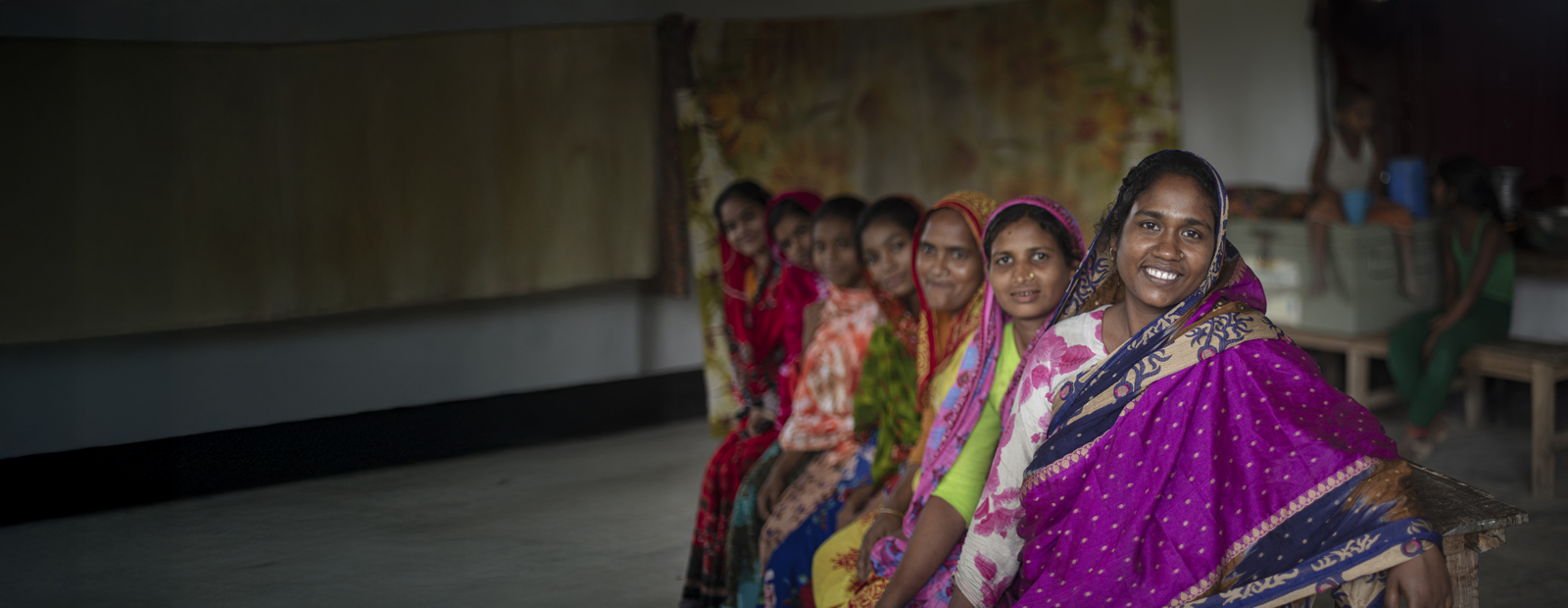
Ensuring wellbeing and a voice for women and girls in rural, disadvantaged areas is at the heart of our work in Timor-Leste.
Emerging as a new sovereign state of the 21st century following its restoration of independence in 2002, Timor-Leste has made great strides as a young nation. The country has shown progress in maintaining lasting peace and stability, as well as living standards for its population. Despite positive progress, economic growth remains a challenge and poverty levels remain high.
Some rural, remote communities in Timor-Leste still lack access to basic services, markets and livelihood opportunities. They also often have limited political representation and high vulnerability to climate and economic shocks. Within this cohort, women and girls are even more disadvantaged, due to deep-rooted inequality faced by women and girls. They are vulnerable to experiencing extremely heavy workloads, low education and literacy levels, very limited voice in decision-making at any level, and high levels of maternal mortality and violence against women and girls.
CARE has been working in Timor-Leste since 1994. With programmes that extend across all parts of the country, CARE works with partners to save lives, defeat poverty, and achieve social justice.
In Timor-Leste, we work with remote, rural communities and civil society partners to provide women and girls with opportunities to improve their livelihood, as this has been shown to be one of the most effective ways to create sustainable development outcomes.
Ensuring wellbeing and a voice for women and girls in rural, disadvantaged areas is at the heart of our work. This is achieved in four priority areas: education, women’s economic empowerment, health, and promoting women’s voices in society through development and humanitarian programs.


30 Years of Empowering Rural Women and Girls
Our initial lifesaving work in Timor-Leste was through support to displaced and food-insecure communities facing severe humanitarian challenges. After Timor-Leste restored its independence, CARE’s programs evolved to meet a broader range of development needs. In our mission to fight poverty and social injustice, we have witnessed that investments in rural women and girls have led to sustainable development outcomes.
Empowerment through education
CARE in Timor-Leste is renowned for its education sector support, particularly in improving literacy, numeracy and quality of teaching. We have partnered closely with Timor-Leste’s Ministry of Education since 2002.
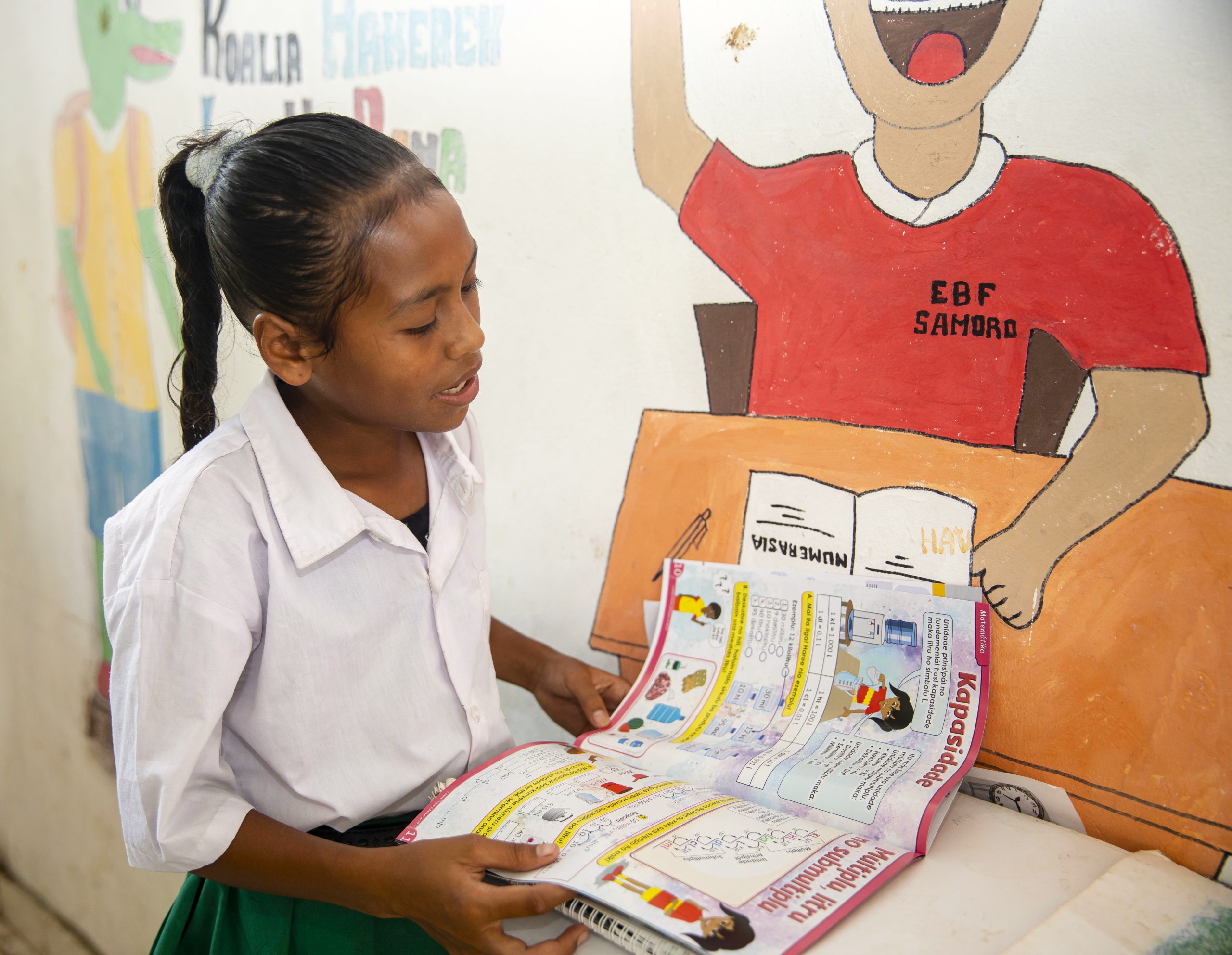
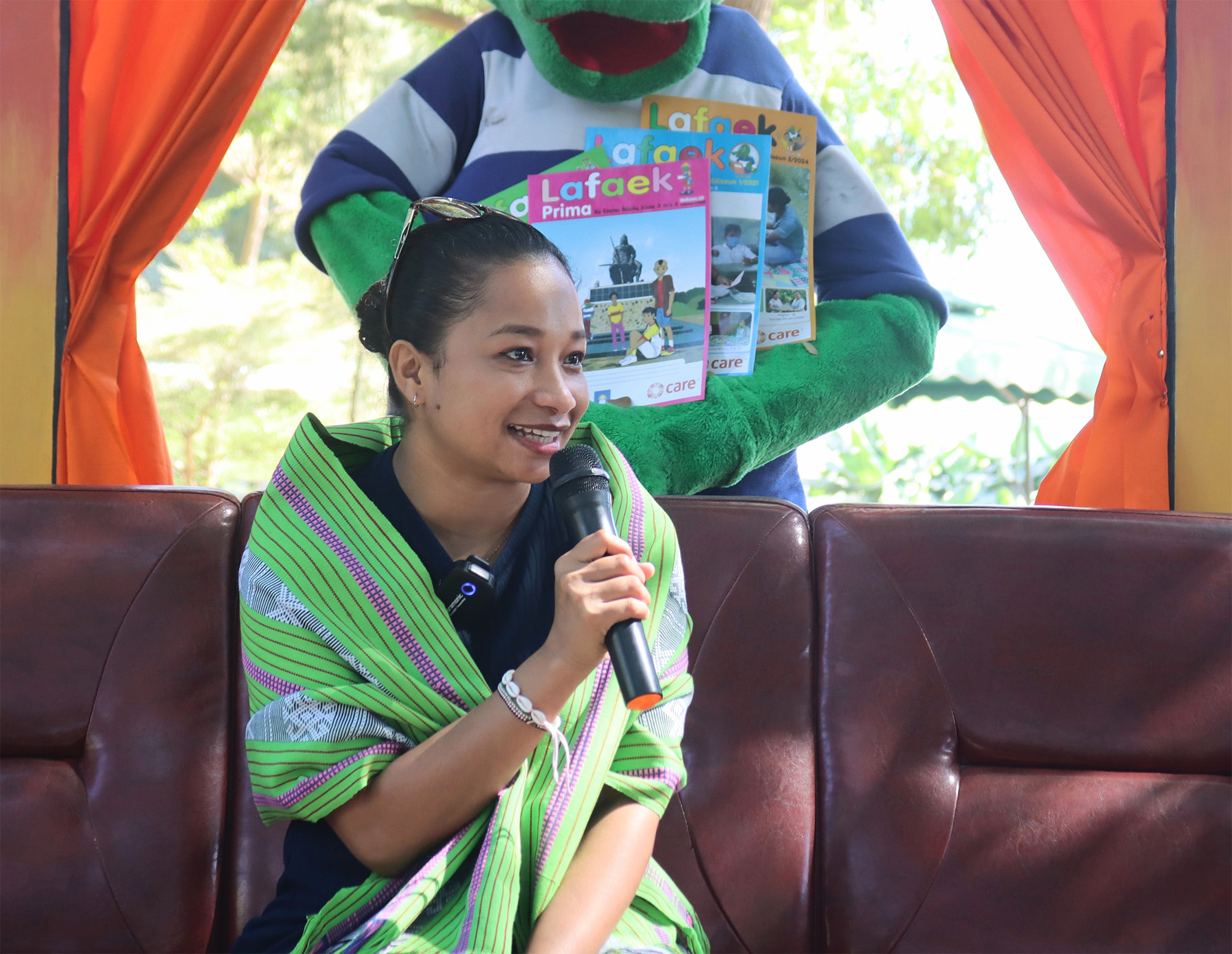
Since 2001, CARE has produced and distributed Lafaek magazines, which feature educational content for schoolchildren, teachers and parents. These magazines, which are distributed three times a year to government-registered pre and primary schools and surrounding communities, provide vital messages for families and communities around health, hygiene, nutrition and agriculture.
Lafaek Ki’ik and Lafaek Prima reach all schoolchildren from preschool to grades 1-6, teaching basic literacy and numeracy skills, as well as equality for women and girls. Lafaek Ba Manorin targets teachers with innovative teaching methodologies and educational tools. Lafaek ba Komunidade provides valuable information on healthcare and agricultural practices to households across the country.
A pivotal moment
Meet Dircia, a passionate climate change activist in Timor-Leste. At age 12, Dircia came across a story about a child’s adventure in the forest in Lafaek magazine. The story sparked her passion for climate justice and conservation and would later inspire her to pursue a career as an activist.
Now, as a young adult, and having acquired abundance of experience and leadership skills, Dircia reconnects with CARE’s Lafaek project to inspire other young people across Timor-Leste to follow her lead in taking positive action for climate change and conservation.
Learn more about Lafaek Learning Media (a project funded by Government of New Zealand).
Strengthening health emergency preparedness
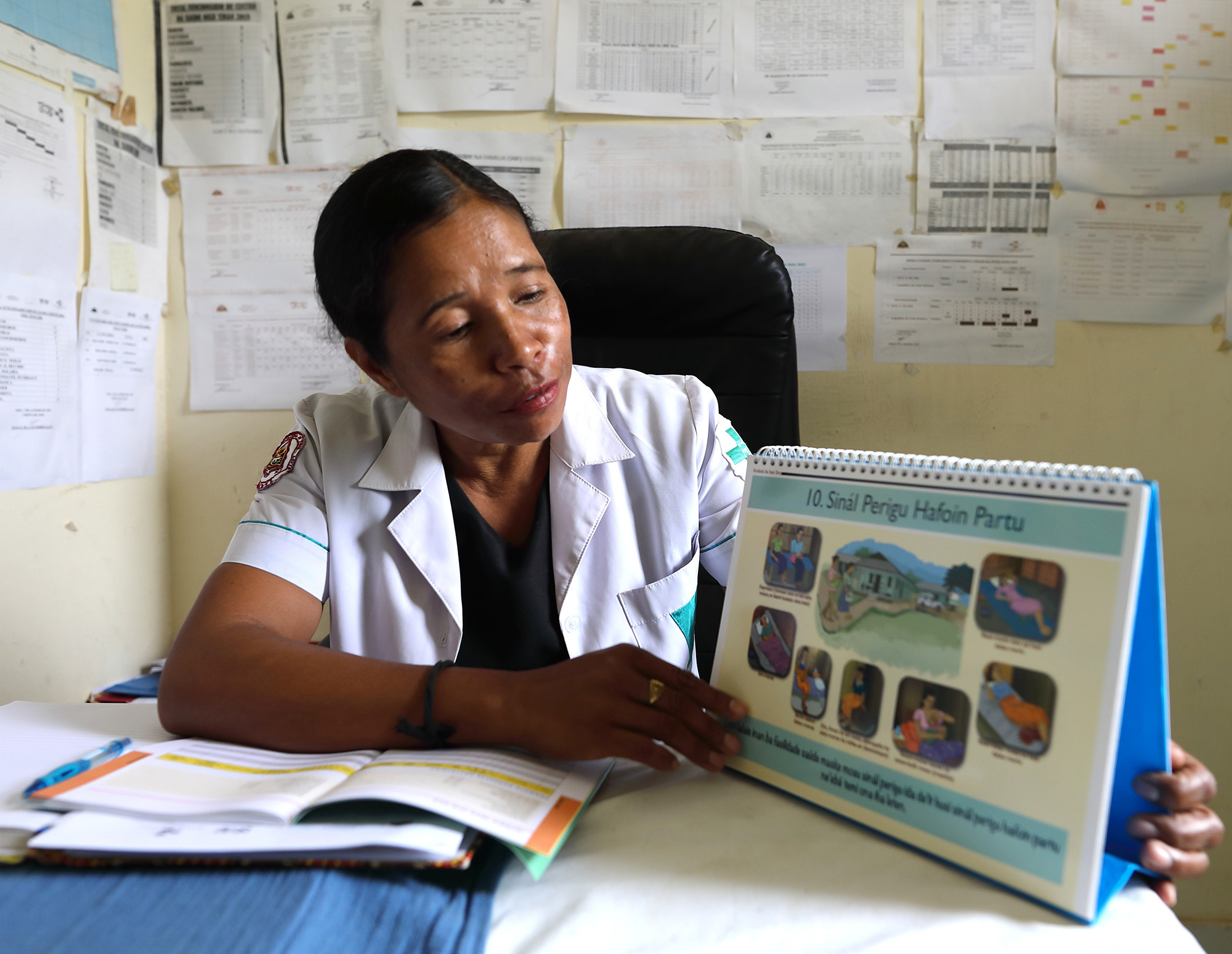
The COVID-19 pandemic highlighted how vulnerabilities in health systems and services can have serious implications on health, economic progress and livelihoods, particularly for rural women who are already impacted by existing structural inequalities. As Timor-Leste continues to recover from pandemic’s impact, the country’s already stretched health system requires additional support to prepare for future crises while adapting to current demands.
The COVID-19 and Health Systems Strengthening Project is funded by the Japan Social Development Fund (JSDF), administered by the World Bank Group and implemented by CARE in Timor-Leste. The development objective of the project is to strengthen the capacity of communities — including leaders, health workers and civil society organisations — to respond to existing pandemics, as well as prepare for future health emergencies. to respond to existing pandemics, as well as prepare for future health emergencies.
The project aims to ensure the effective implementation of national COVID-19 and general public health emergency preparedness and response at a grass-roots level, focusing on health, nutrition, water, sanitation, and hygiene.
Disaster preparedness and risk reduction efforts
Global research shows that natural disasters impact women and girls more than men.
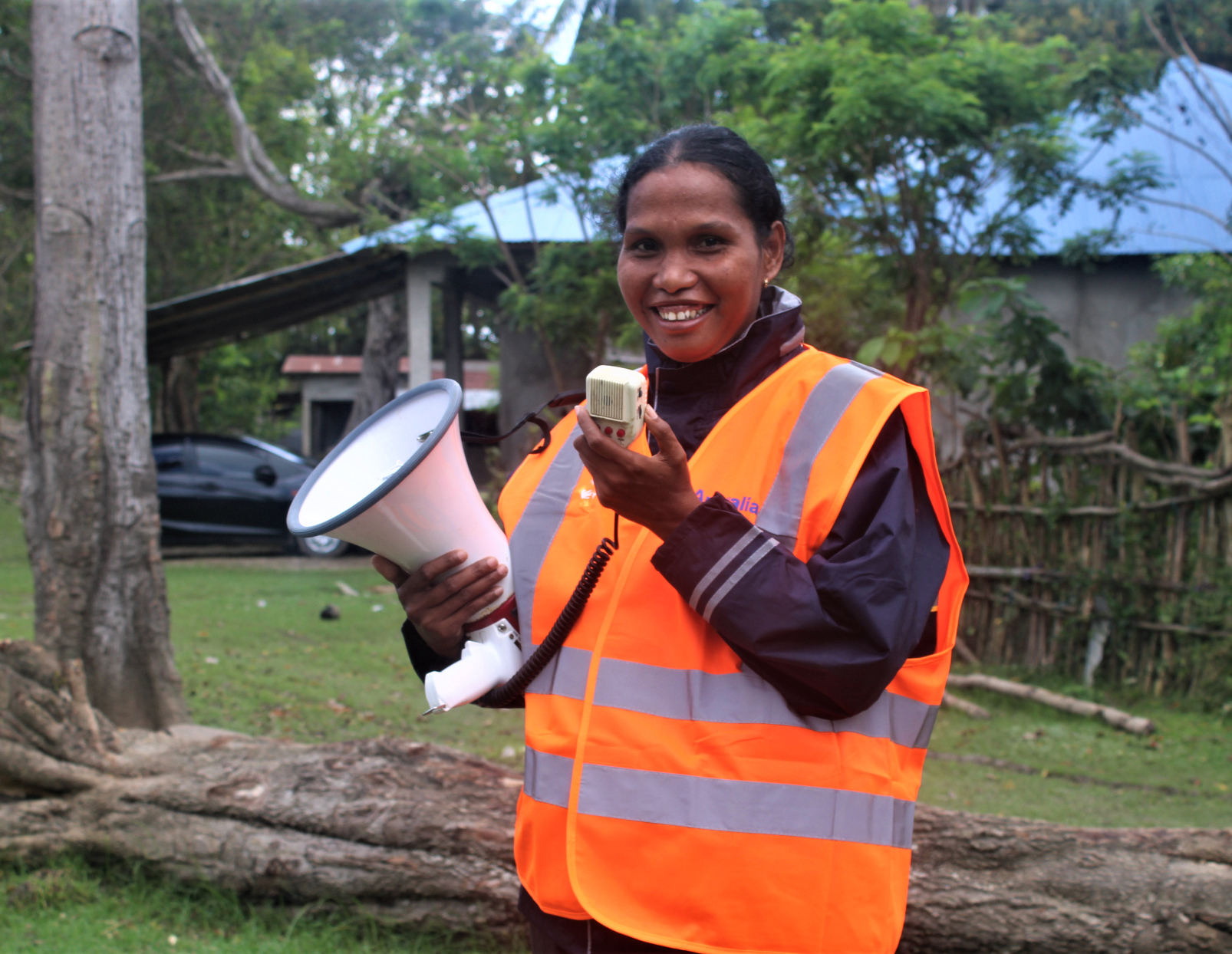
In Timor-Leste, CARE is leading the Disaster READY project consortium, aimed at increasing the resilience and reducing the vulnerability of women and girls at risk of natural disasters and climate change impacts.
By promoting women’s participation and leadership in emergency preparation and disaster risk reduction planning processes, CARE aims to support women in Timor-Leste in reducing the negative effects of natural disasters and climate change.
Women lead in emergencies
Meet Petronella, a dedicated leader who has turned her disaster preparation and response work with CARE into a platform for profound, life-changing initiatives.
“Our mission is prevention,” Petronella explains. “We save money at home and in the group so that we can attend to any disasters in the community.”
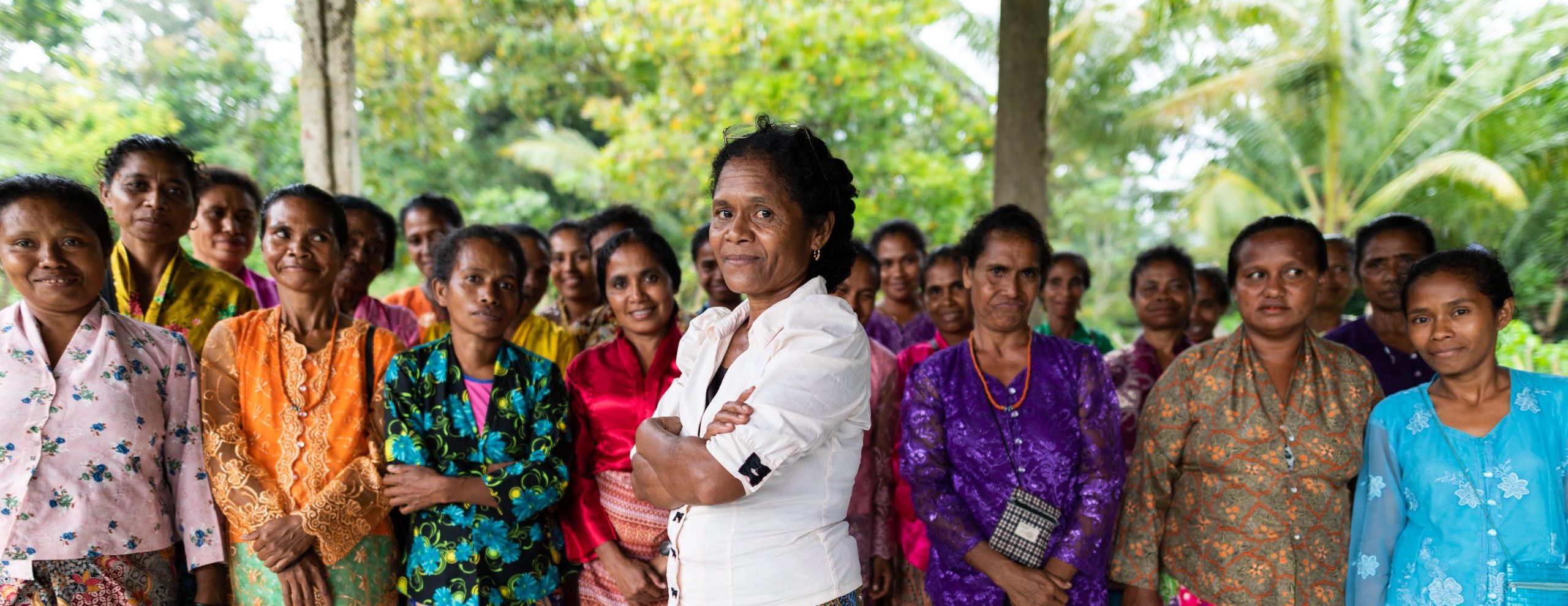
In a place where natural disasters are all too common, Petronella and her group of 30 women take matters into their own hands.
CARE’s involvement in disaster preparedness has helped communities in Timor-Leste better prepare for, manage and respond to rapid and slow onset disasters. Program participants gained more knowledge and awareness of disaster risks, and, thanks to women taking lead roles in Disaster Management Committees, the steps to prepare for crises became more inclusive of everyone’s needs.
Donate now
Support our ongoing work to create a more equal world.
Your donation can help end extreme poverty and give people the means to build a better future for themselves in countries like Timor-Leste.
For those living in extreme poverty, your support brings education and training, healthcare and clean water, nutritious food, and new ways to earn an income. And in times of crisis, you help us deliver emergency relief. Please donate today.
Read more about our ongoing impact in Timor-Leste here.
The ongoing work we do in Timor-Leste is in partnership with these local organisations: Assosiasaun Rede Covalima (ARC), Movimentu Feto Foin Sae Timor-Leste (MOFFE), Mane Ho Vizaun Foun (MHVF), Fundasaun Knua Haberan Comunidade, NGO Belun, Rotaract Club of Dili, Xanana Gusmão Reading Room, National University of Timor-Leste, Cruz Vermelha de Timor-Leste, Ra’es Hadomi Timor Oan (RHTO) and FOKUPERS.
The work we do in Timor-Leste also receives support from the Australian Government through the Australian NGO Cooperation Program (ANCP).