If you’ve ever wondered where our emergency response teams are sent when a crisis occurs, you’re not alone. With natural disasters and crises occurring globally at any time of the year, people often question why assistance is provided to some communities before others, and how charities choose where they can make the biggest impact when lives are at stake everywhere.
At CARE Australia, we don’t respond to the biggest news headline or current catastrophe dominating social media. Each response is carefully calculated by looking at the humanitarian need, how communities will be affected, the trusted partnerships we collaborate with, and where we can make the greatest long-term impact. When you’re looking to donate, your contributions help CARE Australia respond immediately when communities need it most.
By donating today, you can help CARE Australia provide emergency relief as well as support women and girls, and work with communities to create a safer, more resilient future.
As part of the CARE International global network, CARE Australia works with communities around the world and across every continent. While our work extends globally, we focus much of our efforts in South-East Asia and the Pacific due to our long-standing partnerships and regional expertise in creating sustainable change.
So, how does CARE Australia decide where to focus its efforts? Let’s explain.
Table of contents
- Not Every Emergency Looks the Same
- The Factors CARE Considers Before Responding
- Where the Need Is Greatest
- Whether Local Communities Can Access Support
- Existing Local Partnerships Matter
- Why CARE Australia Focuses on South-East Asia and the Pacific
- How Donations Help CARE Respond Faster
- Can I Donate to a Specific Country?
- Why Some Emergencies Receive More Media Attention Than Others
- Supporting Communities Before, During and After Emergencies
- Every Response Starts With Local Knowledge
Not Every Emergency Looks the Same
Humanitarian emergencies take many forms. Sometimes they occur suddenly, devastating communities, like natural disasters. Other emergencies develop over months or even years. That’s why CARE Australia’s approach to emergency response is tailored to meet the needs of each individual crisis.
Natural disasters strike suddenly. In a matter of hours, an earthquake, cyclone, flood or storm can destroy homes, schools and basic infrastructure. Families can suddenly find themselves without access to safe shelter, clean drinking water, food and healthcare. Emergency assistance is immediately required to save lives and lessen long-term community impacts. With disasters, every second counts.
Other emergencies aren’t caused by natural disasters. Conflict and displacement can threaten communities, forcing families to abandon their homes with little to no warning. Food insecurity and malnutrition become a concern when drought, increased cost of living and instability make it harder for families to access nutritious food in a crisis. Disease outbreaks can also wreak havoc on communities, especially those with weak healthcare systems.
In some cases, humanitarian crises occur over time. Changes to the climate, long-term drought, persistent conflict and financial instability can increase poverty levels and leave whole communities vulnerable. These emergencies might not make the news. But they can impact millions of people, requiring long-term support, rather than one-off assistance.
At CARE Australia, we take a tailored approach to emergency response. By carefully considering the needs of communities affected by a crisis, the context in which they’ve occurred and what other support is available from the government and other NGOs, we can best determine our response.
Being part of the worldwide CARE network allows CARE Australia to team up with reliable local partners and deliver aid where it’s truly needed, serving communities in South-East Asia and the Pacific and playing a part in global humanitarian initiatives.
The Factors CARE Considers Before Responding
While some crises make headline news, others receive little media attention. We take into consideration crises that happen off the global radar, or that are smaller in scale. We want people affected by crises to know we will carefully consider our response based on need, context and where we can best make a difference.
Where the Need Is Greatest
Identifying the most vulnerable populations is a crucial step for CARE Australia when deciding where to deploy our help. We take stock of the risks faced by affected communities, people’s ability to meet basic needs such as food, water and shelter, as well as the scale of the crisis overall.
We pay particular attention to how women and girls are affected by emergencies. They are often hardest hit by conflict, disasters and displacement. We consider ways to address challenges unique to women and girls so our response will protect them from harm, uphold their rights and enable them to shape decisions that affect their lives.
Whether Local Communities Can Access Support
It’s important to understand what assistance is already available to people affected by crises. CARE Australia looks at what services are available locally and what other support the government and humanitarian organisations can provide.
Questions we assess are:
- Is there sufficient local capacity to assist?
- What services are already available and being provided by government and other humanitarian organisations?
Knowing the support that already exists helps us identify gaps so we can direct resources where they are most needed.
Existing Local Partnerships Matter
As a global humanitarian organisation with offices worldwide, CARE has long-standing partnerships with local organisations and communities around the world. We know that community members are the experts on their own needs.
Our response will always be “as local as possible, as international as necessary.” This means that while we will provide assistance where needed, we work with and support our local partners to lead the response. We will do this whenever possible to build community resilience and support women and girls empowerment.
Why CARE Australia Focuses on South-East Asia and the Pacific
Although CARE International works closely with communities globally, CARE Australia places a lot of emphasis on programming in South-East Asia and the Pacific. This geographic specialisation allows CARE Australia to form closer connections with local communities, understand the issues they face and better support them in ways that create sustainable change.
Australia’s location in relation to South-East Asia and the Pacific allows CARE Australia to develop longer-term partnerships than may be possible elsewhere. CARE Australia has spent decades working with community members and local organisations to learn about their priorities, empower local female leadership and implement locally-led solutions.
Working in this way means CARE Australia can be active before, during and after an emergency happens. By maintaining solid relationships and building regional expertise, CARE Australia can work with trusted partners to help communities prepare for emergencies, provide response assistance when needed and recovery support so that communities can get back on their feet.
As part of the global CARE network, we also provide support to international humanitarian efforts when needed. By combining the network’s collective experience with country-level insights from members such as CARE Australia, the CARE network can work with communities around the world who are affected by poverty, inequality and crisis.
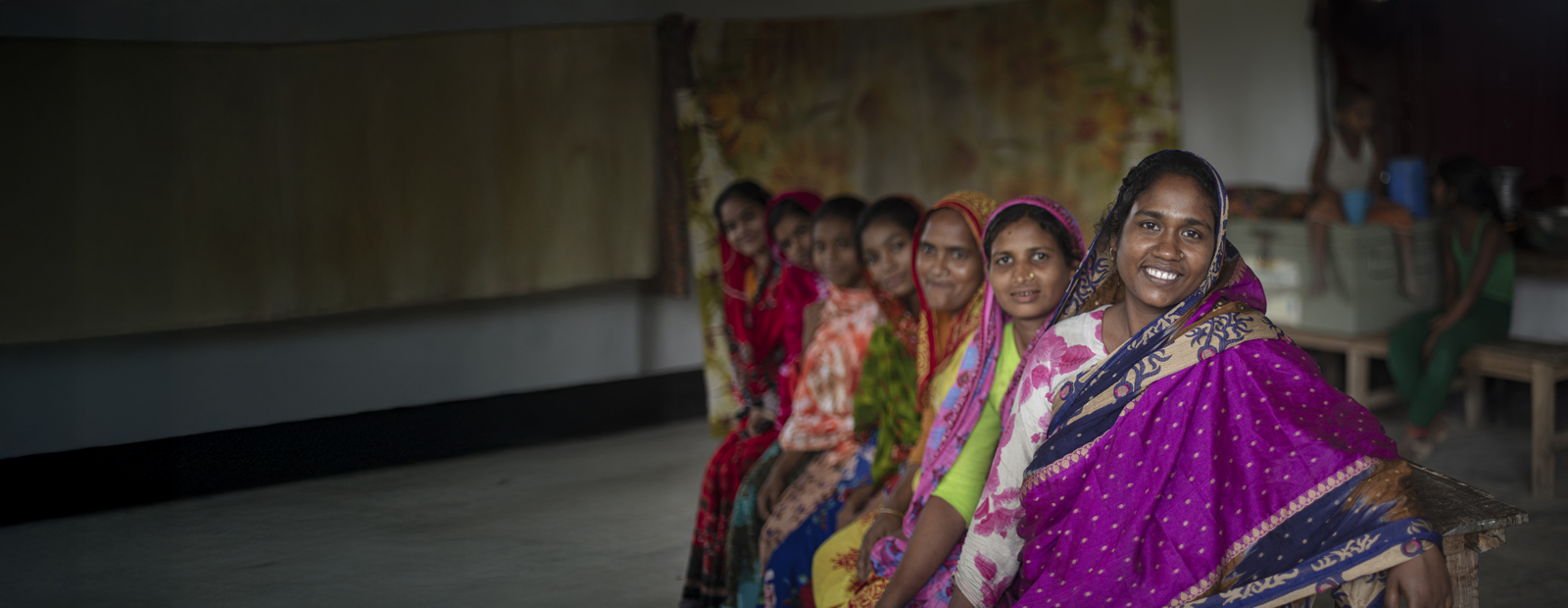
At the heart of CARE’s work is its dedication to supporting women and girls. By partnering with communities in South-East Asia and the Pacific, CARE Australia works towards making sure women and girls have a greater say in decisions that impact them, whether that be during an emergency response or through long-term development.
How Donations Help CARE Respond Faster
Access to funds when a crisis hits can make all the difference. Your donation allows CARE Australia to respond quickly when communities need urgent support and tailor our response to meet their needs.
Flexible funding, such as donations to our Global Emergency Fund means you can trust CARE Australia to allocate resources to where they are needed most. Your generous support means we don’t have to wait to raise new funds following every single emergency and can instead respond rapidly when communities need urgent assistance.
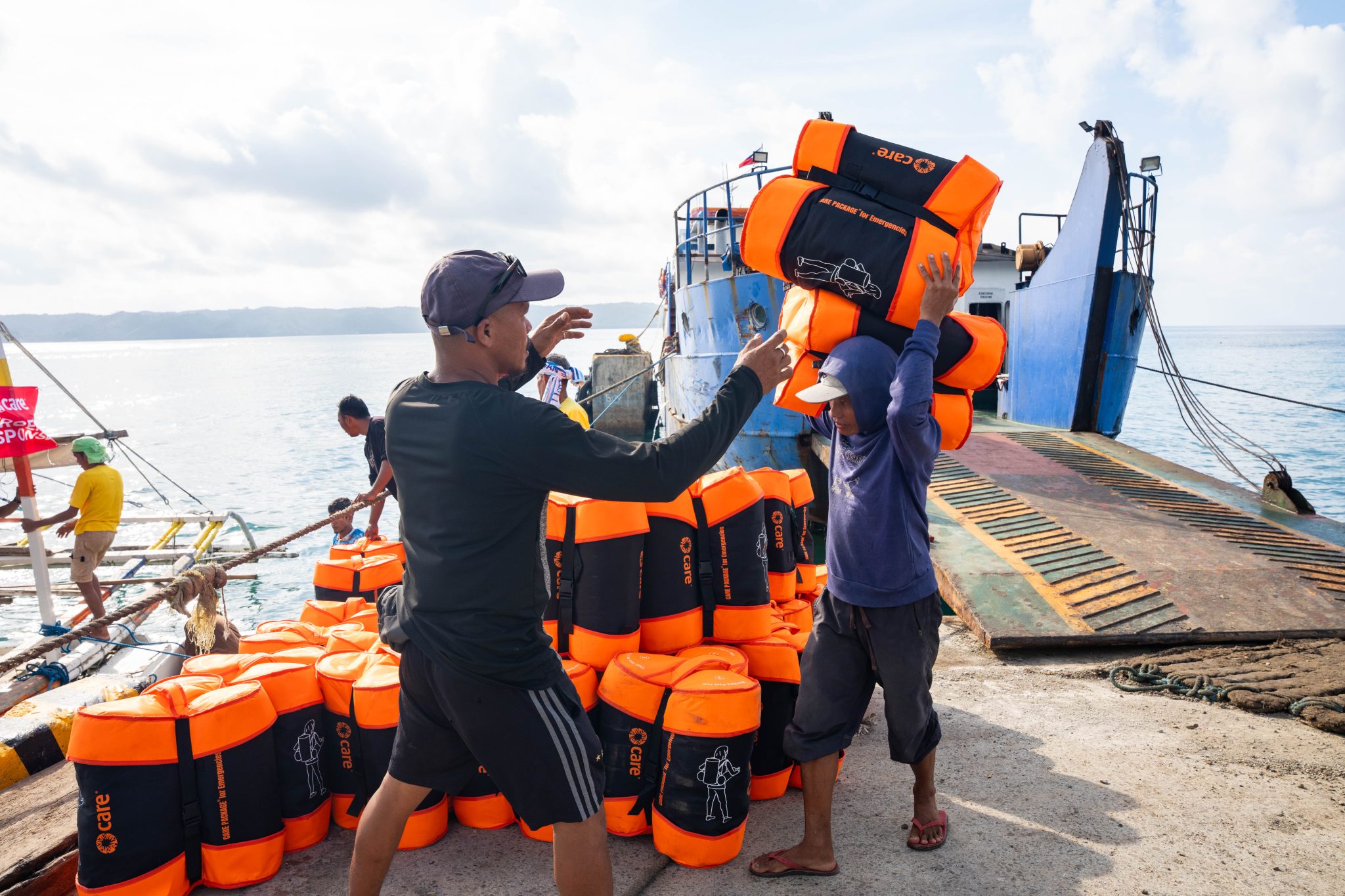
Your donations go towards providing vital emergency supplies such as food, supporting clean drinking water access, shelter materials and much more. It also allows us to work with local partners who know what their communities need and how to reach them quickly and effectively.
Emergency aid doesn’t end when the crisis phase is over. Generous donations or monthly contributions like yours can help communities recover and rebuild by providing longer-term solutions that help communities become more resilient, reduce risk, and create opportunities for lasting change.
Thanks to the support of donors like you, CARE Australia can respond quickly, work alongside communities and continue our mission to support communities to overcome poverty, prevent and respond to emergencies.
Can I Donate to a Specific Country?
During a humanitarian crisis, many supporters want to help communities located in one country or region. In these situations, CARE Australia may raise dedicated appeals that allow you to donate to a specific emergency or crisis.
When communities are overwhelmed by conflict, displacement, and humanitarian needs, you’ll likely see choices to donate to Lebanon or a broader crisis appeal. Your donation helps CARE Australia partner with organisations to provide lifesaving essentials, such as food, clean water, shelter and other critical support.
However, crisis situations can escalate quickly. While some emergencies require country-specific appeals, other emergencies require CARE Australia to be able to provide support wherever it may be needed. By donating to our Global Emergency Fund, you give CARE Australia the flexibility to direct support to emergencies as they happen.
Regardless of how you choose to give, your contribution enables CARE Australia to act swiftly in crises, foster robust local collaborations, and partner with communities, particularly women and girls, to forge a more stable future for all.
Why Some Emergencies Receive More Media Attention Than Others
It’s natural to focus on crises that are all that are all over the news. But media coverage doesn’t always match the scale or urgency of humanitarian need. From sudden-onset crises with widespread visibility to protracted disasters that don’t make the news cycle, there are always affected communities around the world who need support.
Natural disasters, ongoing conflict zones and displacement crises and climate crises affect the lives of millions of people every year, many forgotten by the media. Our work during these prolonged crises may not make the front page, but for those affected, the need for support is still as urgent as ever.
We look at the communities affected by a crisis and where we can make the most impact when deciding where to focus our resources. Our partnerships with local actors also help us reach people most at risk, especially women and girls.
Supporting Communities Before, During and After Emergencies
When working in humanitarian response, CARE Australia understands that meeting immediate needs during an emergency is just one part of the equation. As important as providing food, clean water, shelter and essential relief items can be in times of crisis, supporting individuals and communities to recover from hardship and prepare for what’s to come is crucial too.
That’s why once the initial crisis has stabilised, CARE Australia works in-country with our partners to aid recovery, bolster livelihoods and strengthen community health so that when the next emergency hits, families will be better prepared. Initiatives can include disaster risk reduction programmes which aim to mitigate risk before a disaster strikes as well as better preparing people to cope should one occur.
Supporting women and girls’ empowerment to take on leadership roles is also a vital part of building community resilience. Women are often on the front lines of supporting families and rebuilding communities after crises, but their voices are sometimes ignored. CARE Australia creates pathways for women to participate in decision-making and influence solutions so their communities can thrive.
Through long-term preparedness and recovery programs, CARE Australia works to help communities not just recover from emergencies, but address the root causes of poverty and inequality that impact their lives.
Every Response Starts With Local Knowledge
No two humanitarian emergencies are the same, which is why CARE Australia’s response looks beyond the headlines when deciding how to respond. Every decision we make is based on humanitarian need, our understanding of crisis-affected communities and where we can make the biggest impact.
Partnering with trusted local organisations ensures our emergency responses are grounded in the voices of those who know their community best. This approach helps us reach communities most affected by crisis and fosters solutions that are effective, inclusive, and lasting, particularly for women and girls. Reach out to CARE Australia to provide assistance where it’s needed most, support our local partners and invest in recovery for years to come.
If you would like to help women, girls and their communities recover from crises and build a safe and resilient future, please donate today.