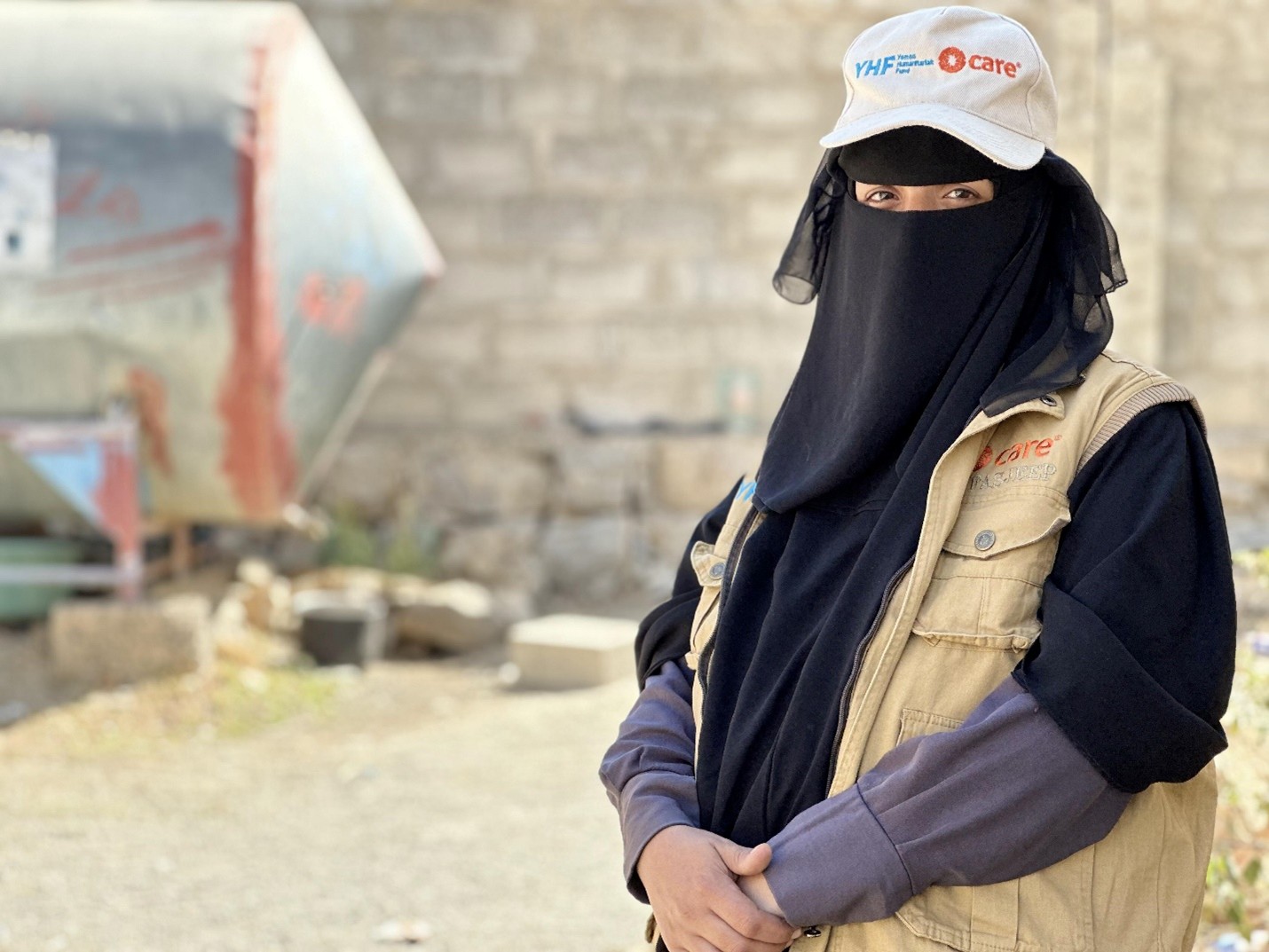
Fatima, a 36-year-old midwife working in the village of Al Aridah in the As Swad district, one of the most vulnerable districts in Amran Governorate, Yemen, has witnessed firsthand the absence of general hygiene awareness and the lack of commitment to personal hygiene practices and water-borne disease prevention.
Consequently, the health conditions in the village have reached catastrophic levels, particularly affecting the vulnerable communities. “The health situation in the village was unacceptable,” says Fatima.
The number of people suffering from water-borne diseases was overwhelming, making it difficult to provide adequate treatment or for the risk of contracting diseases to be contained. Children are particularly affected by diarrhea, which contributes to the intensive malnutrition crisis.
Al Aridah village suffers from a severe shortage of clean water sources, leaving many residents in critical need of safe drinking water. As a result, most households resort to using contaminated ponds as their primary water source, leading to the spread of diseases such as cholera, which is already prevalent in the area.
The lack of clean water has been a long-standing problem in our village. Meeting our daily water needs from these ponds has caused an increase in cholera cases over time.
The high cost of obtaining clean water further compounds the hardships faced by vulnerable communities, who have experienced low incomes since the beginning of the conflict.
The water truck services that provide clean water to the area charge exorbitant fees, making it extremely challenging to alleviate their water crisis.
With support from Yemen Humanitarian Fund (YHF), CARE has been building strong awareness among community members on about hygiene practices. Within the project, CARE delivered multisector hygienic activities to raise the awareness of the local residents in the targeted areas.
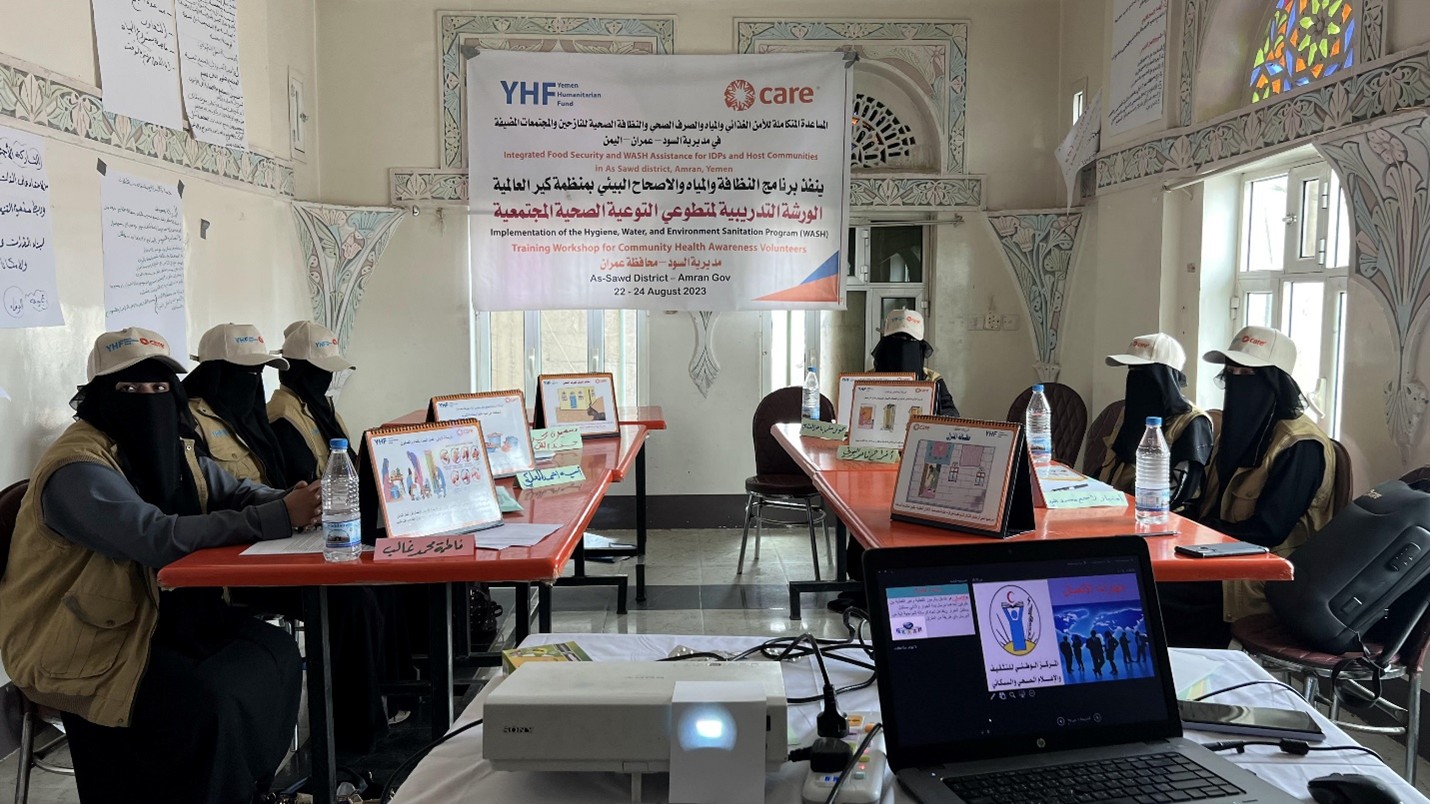
This included 22,000 individuals in As Swad district receiving hygiene awareness sessions on handwashing, personal hygiene, water purification, disposal of human waste, prevention of cholera and COVID-19 and the hazards of open defecation to health.
To enhance and spread the hygiene awareness messages, 10 volunteers, who were trained by CARE, conducted hygiene trainings to people in the targeted areas.
I have greatly benefited from the hygiene promotion training. It has expanded my knowledge and experience in the field of hygiene. I now provide pregnant women who visit the health facility with guidance on hygiene practices, and they diligently follow the instructions. I also conduct home visits and group sessions to raise awareness.
The hygiene promotion activities have had a positive impact on the community, both through the capacity building of the volunteers and the improved hygiene practices among the targeted individuals.
I have noticed a significant reduction in the number of people suffering from cholera and diarrhea in the health centre where I work.
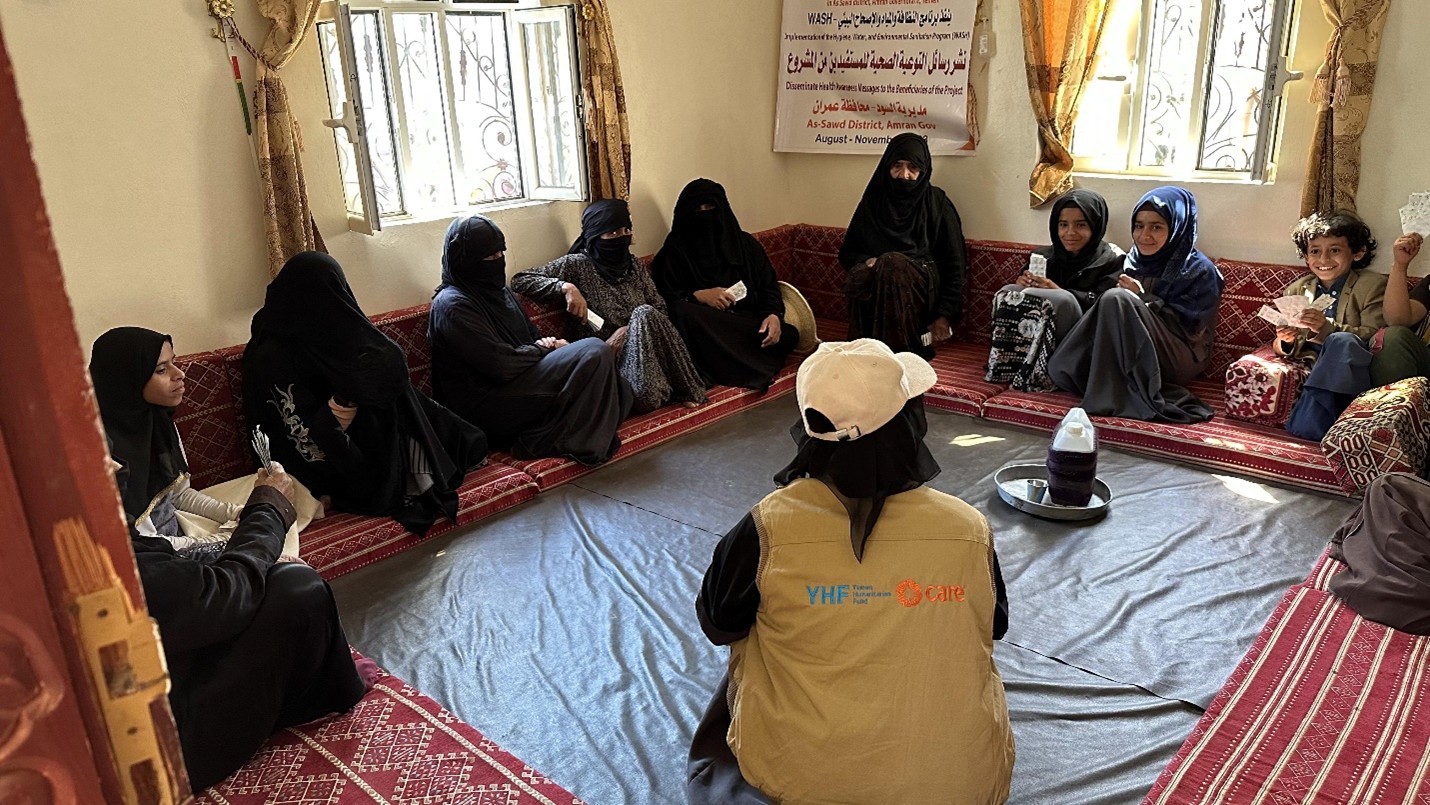
Hygiene promotion is a crucial step in safeguarding the community from potential health risks, and CARE works to address the hygiene challenges faced by the population.
“We have a clear vision of creating a healthier future for patients,” concludes Fatima.
I would like to extend my gratitude to all CARE workers for their impactful initiatives, such as the hygiene trainings we received. I believe this will enhance people’s awareness of the importance of proper hygiene practices.
Want to contribute? Donate to CARE Australia today, or find more ways to give and support our humanitarians worldwide.