
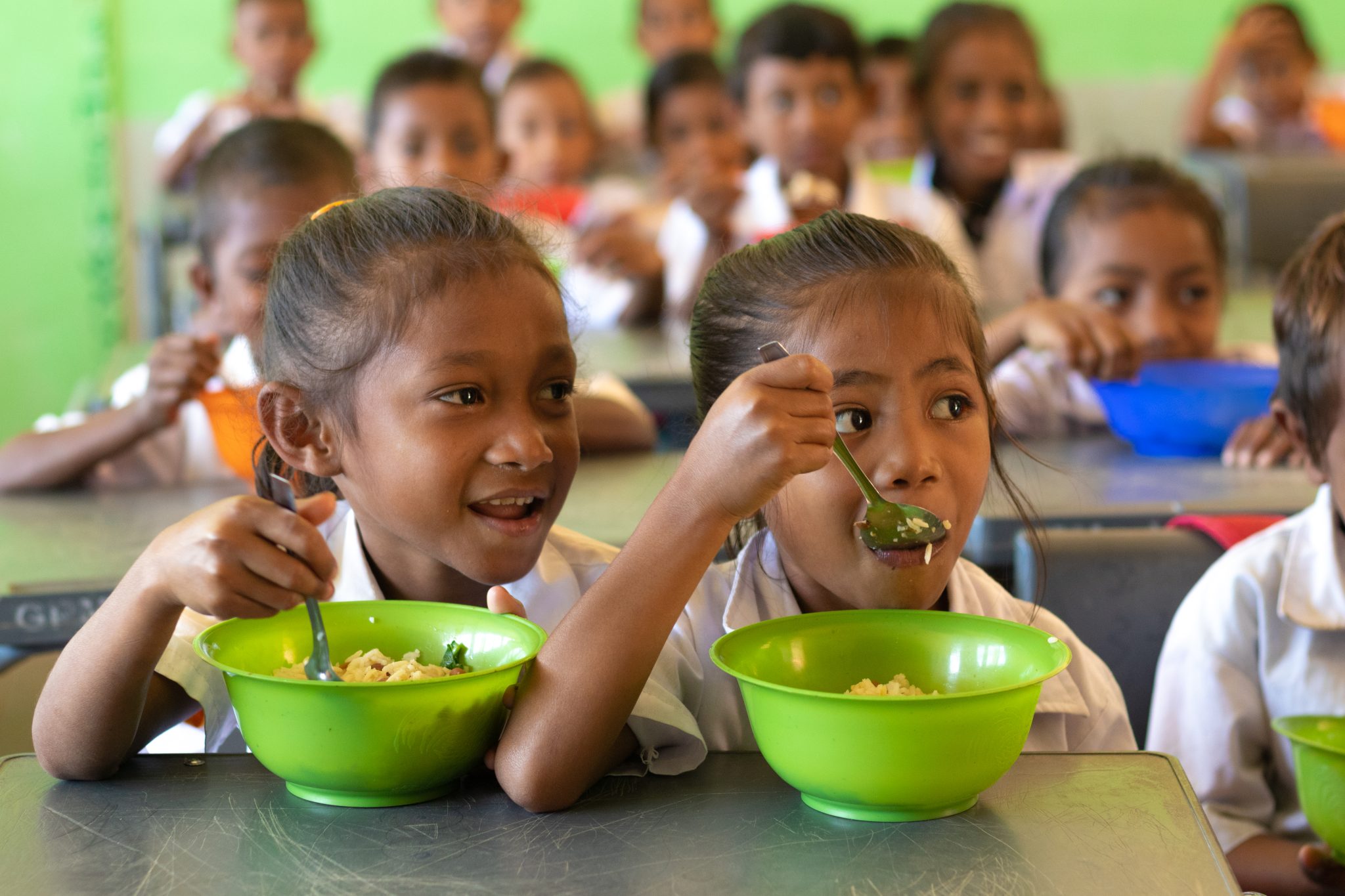
At CARE Australia, our work sees us developing and implementing dynamic aid programs that are tailored to meet the needs of local communities worldwide. Our humanitarian partners work with us to deliver development programs that help rebuild communities following crises, whether they’re in need of infrastructure improvements following a natural disaster, or to invest in much-needed local resources in an active conflict zone.
Of all the programs we deliver, however, food and water aid continues to be amongst our most urgent, with humanitarian workers striving to maintain fast response times in program rollouts to combat risks of food insecurity, malnutrition, and the risks to public health and safety that follow.
Below, our humanitarians at CARE Australia have outlined some of the key elements that go into developing our tailored food and WASH programs, ensuring that the work we do translates into positive and lasting real-world impacts for global communities.
Table of contents
What is food aid?
- Food relief
- Water, sanitation & hygiene (WASH) programs
The benefits of care’s food aid programs
- Combating malnutrition
- Preventing food insecurity
- Supporting diet quality
- Empowering communities
- Investing in climate adaptation
- Building long-term resilience
Key elements for a successful food aid program
- Addressing root causes
- Coordination & collaboration
- Nutrition education
- Supporting choice & autonomy
Fight hunger & malnutrition – donate to CARE Australia today
What is food aid?
Food aid programs are designed to support the provision of food to communities impacted by poverty, conflict, or disaster/emergency situations. Food aid can be delivered in different forms, including:
- Food donations (i.e. food relief)
- Provision of emergency rations (i.e. highly nutrient-dense, non-perishable food items)
- Provision of other fortified products (i.e. grains and cereals, oils, etc.)
- Nutrition education and hygiene programs
- Agricultural development projects
At CARE Australia, our food aid programs focus on the above inclusions, as well as tailored WASH (water, sanitation, and hygiene) programs to ensure communities experiencing malnutrition also maintain access to clean drinking water.
- Food relief
There is no ‘one size fits all’ solution to malnutrition and food insecurity, as the best long-term approach to food aid requires not just the provision of emergency rations in the immediate aftermath of a disaster or emergency, but ongoing ecological investments that empower local communities to cultivate and maintain their own food supplies.
The unfortunate truth is that emergency incidents like conflict or natural disasters can have an adverse impact on a region’s access to arable land. As a result, humanitarian aid programs have had to adapt to climate change and ensure that food aid programs with a focus on long-term economic recovery are tailored to the agricultural resources available to that local community.
This resource-based approach requires partnership with local governments and farming communities to ensure that agricultural infrastructure investments stay climate-conscious and thus, sustainable over the long term.
- Water, sanitation & hygiene (WASH) programs
Today, more than a quarter of the world’s population still lacks access to clean water for daily use (i.e. for drinking, washing, cooking, etc.). A lack of awareness surrounding the health risks of using dirty water for daily use leads to global communities contending with preventable yet devastating health risks. This makes WASH (water, sanitation, and hygiene) programs a vital component of our humanitarian response.
Our WASH programs have helped expand access to potable water in under-resourced regions across the globe, including in Timor-Leste where our donors made it possible to set up clean drinking water on tap for a village that had never been able to experience that luxury.
Today, our WASH programs continue to provide tailored water, sanitation, and hygiene support for communities in need, from Lebanon, Sudan, and Palestine, to our neighbours in Papua New Guinea, Tuvalu, and the wider Pacific Islands.
The benefits of CARE’s food aid programs
CARE’s focus on food relief in tandem with WASH programs helps our food aid programs deliver dynamic benefits. Here are just a few of the focal points that our humanitarian workers keep in mind to ensure our programs deliver lasting positive impacts for local communities.
- Combating malnutrition
Poor nutrition affects civilians of all ages in disaster zones, however children and the elderly are found to be most at risk due to the lasting health issues relating to malnutrition at these age ranges. In Timor-Leste, for instance, a persisting intergenerational cycle of malnutrition has resulted in 47% of children under five being stunted, and 32% being underweight by 2020. This speaks to a dire need for not just food relief, but for lasting food infrastructure.
As a result, the HATUTAN appeal was established by CARE and through collaboration with other local organisations, schools, and government offices in Timor-Leste to support education and health practices in schools and for children at home. The HATUTAN appeal is a strong example of a holistic food aid program, which empowers local populations in Timor-Leste to produce, sell, and buy healthy food daily – breaking intergenerational malnutrition through establishing new systems.
- Preventing food insecurity
Food insecurity and famine continues to be a major concern in conflict zones like Gaza and Sudan. With hunger levels reaching critical levels in these regions, humanitarian aid workers are tasked with delivering a steady flow of care packages into areas where the entry and delivery of humanitarian supplies have been purposefully restricted.
Food insecurity comes in various forms, affecting approximately 2 billion people worldwide, both within conflict zones as well but even in under-resourced communities that contend with other challenges (i.e. climate impacts, food deserts, poor supply chains). If left unchecked, food insecurity can also result in chronic comorbidities, including type II diabetes, cardiovascular disease, obesity, and adverse mental health, according to researchers at the Current Cardiovascular Risk Reports.
Our work in combating famine and food insecurity is always research-driven, and developed in collaboration with local groups to ensure tailored, respectful approaches to food relief. In engaging with the unique challenges contributing to food inaccessibility, market collapse, and ecological barriers, CARE’s food aid programs place the needs of local families and communities at the centre, addressing root causes of food insecurity from all sides.
- Supporting diet quality
Poor, imbalanced diets are a fixture of communities contending with malnutrition. Whilst providing communities with access to nutritious food is one part of the equation in solving this welfare issue, the other part of the equation lies in nutrition education.
CARE works with local schools, health offices, and other community groups to ensure that under-resourced communities gain access to much-needed nutrition resources. Through education and work initiatives, our food aid programs improve nutrition education in schools, lift the quality of meals for children at school and home, and ultimately support communities in building healthy nutrition habits from the ground up. These initiatives are also set up to be climate resilient, supporting younger generations in maintaining these practices and passing on teachings to future generations and across evolving ecological systems.
- Empowering communities
Our food aid programs focus on both short-term and long-term food relief, including the provision of emergency food sources, as well as the establishment of local food supply resources. Our humanitarian workers also partner with local groups to encourage not only participation but also leadership from local citizens.
A great example of our values at work is in our continuing support of women in agriculture. Providing women with work and leadership opportunities in agricultural development projects also helps families maintain access to ecological and nutrition education, ensuring communities can continue to feed their families even if the male workforce is compromised (i.e. due to injuries, illnesses, mortalities resulting from disasters, conflicts, etc.).
- Investing in climate adaptation
Ecological infrastructure projects in disaster-affected areas require a climate-conscious approach to ensure local communities can maintain self-sufficiency over the long term. At CARE Australia, our work with climate-affected communities in the Solomon Islands, for instance, helps local leaders invest in their disaster readiness through the development of Community Response Plans (CRPs), and in establishing grain, vegetable, and animal agriculture that are tailored to the region, and positioned to support climate resilience.
- Building long-term resilience
Our humanitarian work in the Solomon Islands includes more than just climate adaptation via establishing sustainable agricultural infrastructure and practices. Building long-term resilience also requires consideration for commercial outcomes, and making sure that communities can establish strong, self-sustaining local economies.
Our perspective at CARE Australia is that women and girls play a vital role in supporting economic resilience. For this reason, our food aid programs also include resource allocation to empower women and girls in maintaining entrepreneurial endeavours and supporting local markets. Our WE-RISE program is a strong example of the power of women’s empowerment in action, with reported results including a drastic reduction in rates of violence against women and girls, as well as food-related outcomes including improved access to food for families, and reduced rates of food insecurity for communities, including across remote villages in Malawi and Ethiopia.
Key elements for a successful food aid program
Our food aid programs at CARE Australia are designed to provide tailored support for local communities. Here are just a few considerations we make to ensure that our food aid programs deliver focused support.
- Addressing root causes
Our humanitarian workers participate with organisations that maintain boots on the ground in localities. This helps to ensure that root causes of malnutrition and food insecurity are thoroughly addressed across all the communities we work with.
- Coordination & collaboration
Our collaboration with local government agencies as well as schools and healthcare facilities also supports campaign rollout. We’re stronger together, so CARE food aid programs are never developed without ample collaboration and contributions from local leaders and community groups.
- Nutrition education
In partnering with schools and healthcare facilities, our food aid programs also include education resources that support younger generations in maintaining healthy daily eating habits. Our investments in nutrition education not only help to combat risks of intergenerational malnutrition, but also help communities transition from food relief and emergency food assistance to more sustainable, self-sufficient food supply systems.
- Supporting choice & autonomy
Our food aid programs are tailored to meet the unique dietary needs of local communities. We strive to make sure our food relief initiatives take into account cultural and religious factors, and that local communities maintain the freedom of choice and the right to autonomy and dignity when receiving food aid. In short, our food aid programs adhere to our values for protection and safety of local communities worldwide.
Fight hunger & malnutrition – donate to CARE Australia today
For over 80 years, CARE Australia has been on the frontline, providing food and WASH programs designed to balance short-term food relief with long-term self-sufficiency – even in the face of evolving climate considerations.
Donate to any of our ongoing food aid programs worldwide via our website, or find more ways to give for your household, school, or workplace.