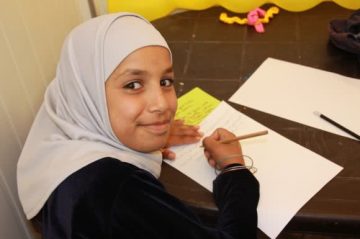
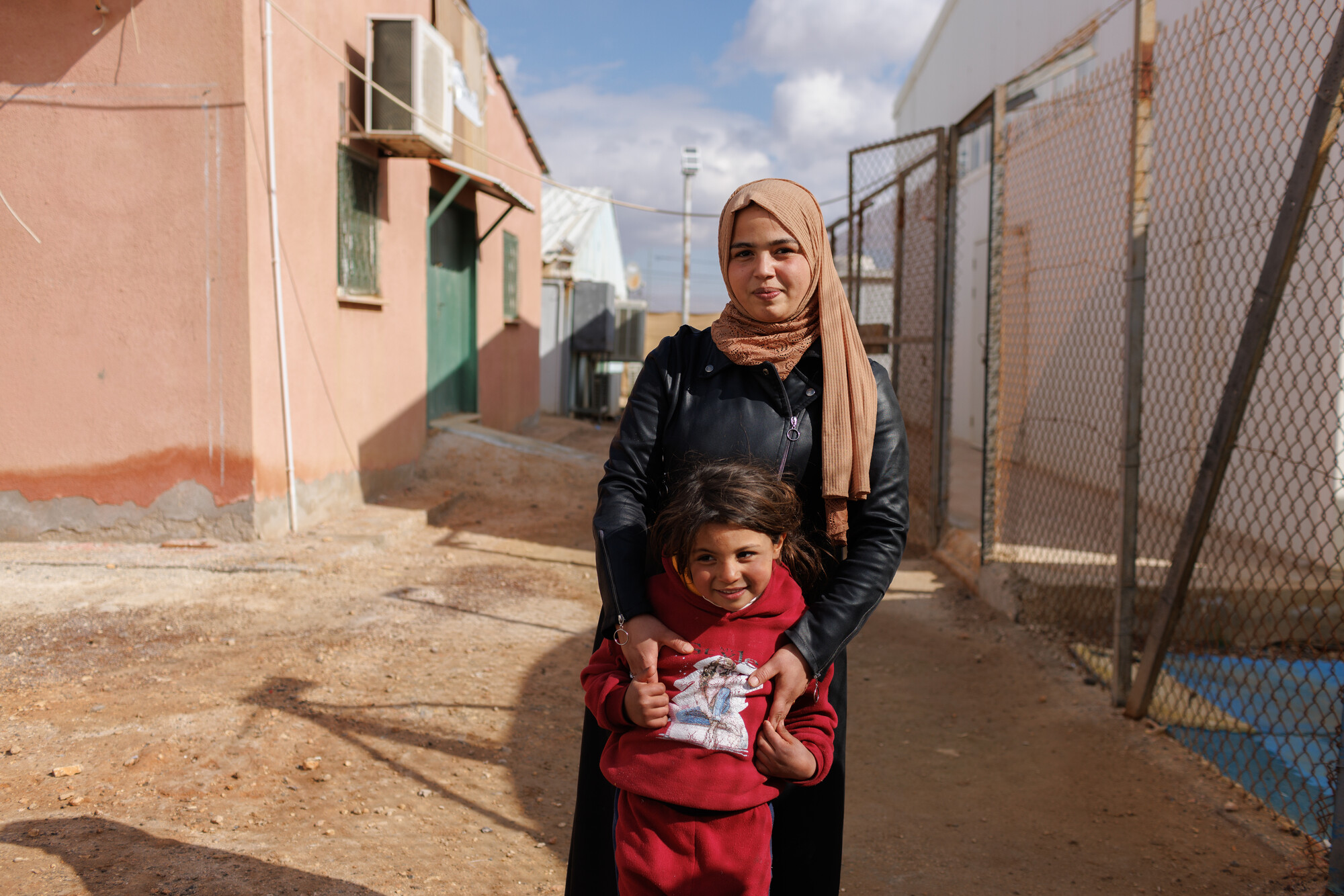
Today, CARE works at the Azraq refugee camp and focuses on natural resource management and strengthening civil society.
Relief efforts in Jordan
CARE started working in 1948 in Jordan to meet the needs of refugees and displaced persons who had been forced to flee their homes in Palestine, as a result of the 1948 Arab-Israeli war and the subsequent creation of Israel.
Today, Jordan continues to be a safe haven for many people fleeing conflict, and supporting displaced communities, a central part of our work in the country.
CARE International works at the Azraq refugee camp to meet the needs of close to 35,000 refugees that have fled from Syria. It’s estimated that there are hundreds of thousands of refugees in Jordan who have fled from violence and insecurity in Iraq and the Syria conflict.
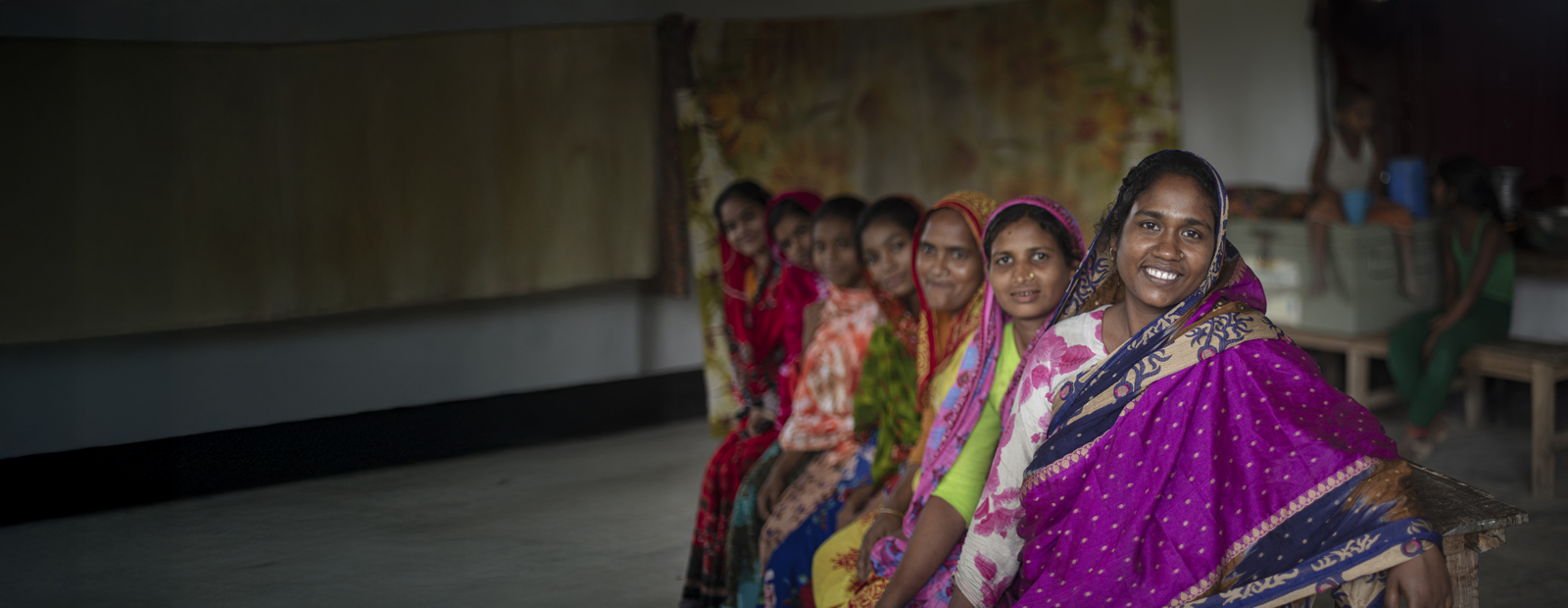
In addition to refugees, CARE International focuses on assisting poor farmers and women, all affected by conflict, economic disparity, discrimination, or a fragile resource base. Economic participation of women remains lower in Jordan than in other countries in the region despite comparatively higher educational attainment. Traditional values that restrict women’s rights are compounded by discrimination in the workplace.
Jordan also has one of the lowest levels of water resource availability per capita in the world. As the population doubles over the next two decades, water scarcity will become a greater problem that will challenge farmers to improve food security through environmentally sustainable agricultural practices.
To help tackle these compounding challenges, our work in Jordan focuses on:
- Natural resources management
- Civil society strengthening
- Women’s rights
- Refugees


Donate now
Support our ongoing work to create a more equal world.
Your donation can help end extreme poverty and give people the means to build a better future for themselves in countries like Jordan.
For those living in extreme poverty, your support brings education and training, healthcare and clean water, nutritious food, and new ways to earn an income. And in times of crisis, you help us deliver emergency relief. Please donate today.
Photo: © Annie Sakkab/CARE.