In Zimbabwe, a CARE Water Sanitation and Hygiene (WASH) project has been embraced by teachers and students, with benefits being felt by the whole community.
In one of Guzha Primary School’s large, breezy classrooms in Southern Zimbabwe, there is a consistent theme to the drawings hanging proudly on the walls: water and hygiene.
This is where the school’s health club – run by Mrs Alphoncina Goronga, a 51-year-old grade one teacher – meets weekly.
When Mrs Goronga first heard about CARE’s WASH project promoting community and school health clubs along with the establishment of safe water sources and toilets, she eagerly took the news to her principal, Patrick Chagwiza.
With his support, Mrs Goronga started her own club at the school. Soon, 10 teachers and 45 students from grade three to seven eagerly signed up to become ambassadors for a healthier school and community.

The club teaches members about how disease is spread, and how to improve their personal and household hygiene to reduce illness.
‘Since we have started the group, children have changed,’ she explains. ‘They are cleaner – their homes and toilets are cleaner.’
There’s an impressive chain-reaction of change happening in the community – Mrs Goronga keeps records of the hygiene practices being applied at school and is thrilled to see the health improvements ripple through the community and into students’ homes.
‘We visit the households and teach families about hygiene. Now, people are using rubbish pits and tip-taps [hand-washing devices].’
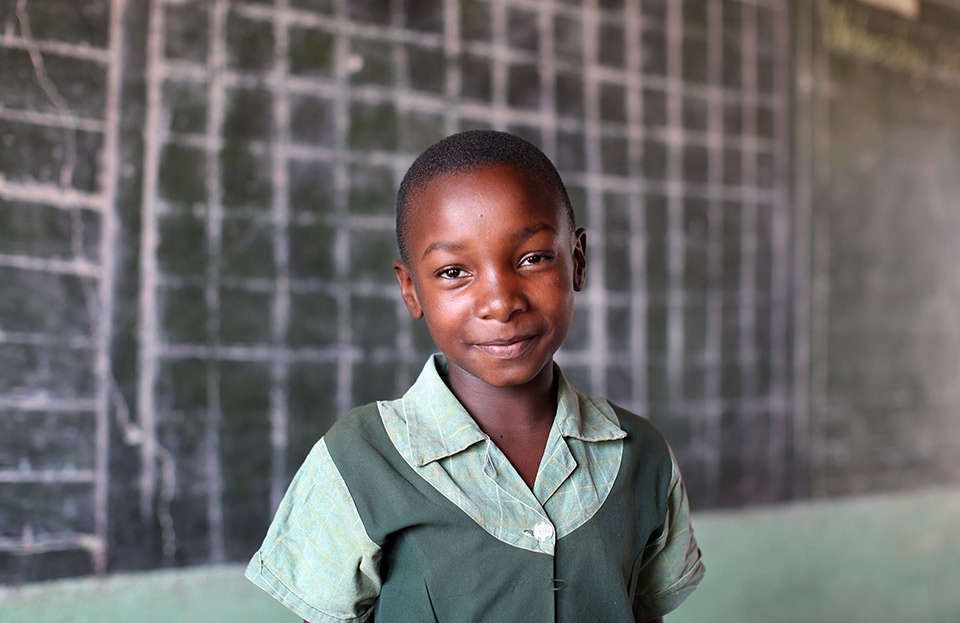
Ten-year-old Alyson* is one of the passionate health club members, and has taken the sanitation and hygiene knowledge back to her home, where she lives with her grandmother and two brothers.
‘I like being a member of the health club because I learnt not to be sick. I used to have stomach pains, but since I joined the club I don’t have them as often.
‘I learnt how to prevent cholera, malaria and diarrhoea. I have also taught my siblings about health. We used to wash our hands in the same dish, now we pour water for each other to wash our hands separately.’
CARE’s WASH project provided the materials and skills for producing 20 new toilets for the students and teachers at Guzha Primary School. The community helped build the toilet blocks, which are proudly maintained by the health club members.
Now, a toilet is a new addition at Alyson’s home as well, after she helped her family construct their first toilet out of locally available materials.
‘Now we know we should always use the toilets properly and always wash our hands afterwards,’ Alyson explains.
The Principal Mr Patrick Chagwiza is proud of the improvements at his school and the teacher who made them possible.
‘To begin with, I wasn’t sure about the health club idea, but we sent Mrs Goronga to receive training and what she brought back was change,’ he explains.
‘There is a great difference at our school now. There are fewer chances to spread disease, so there is less sickness and greater comfort.’
With less sickness in the broader community, perhaps the biggest improvement has been on students like Alyson’s ability to learn.
‘We know that a healthy student learns best, they can achieve more,’ explains Mr Chagwiza.
Now that she is safer from disease and empowered with the knowledge that has helped her family, Alyson is firmly set on a path to continue helping others.
‘I like learning new things, and my favourite subject is English. I want to be a nurse, because I like to help people be healthy,’ she says.
Help more communities experience the life-changing benefits of water, sanitation and hygiene. Donate to CARE’s Toilet Appeal today.
*CARE is committed to being a child safe organisation. Names of children have been changed.