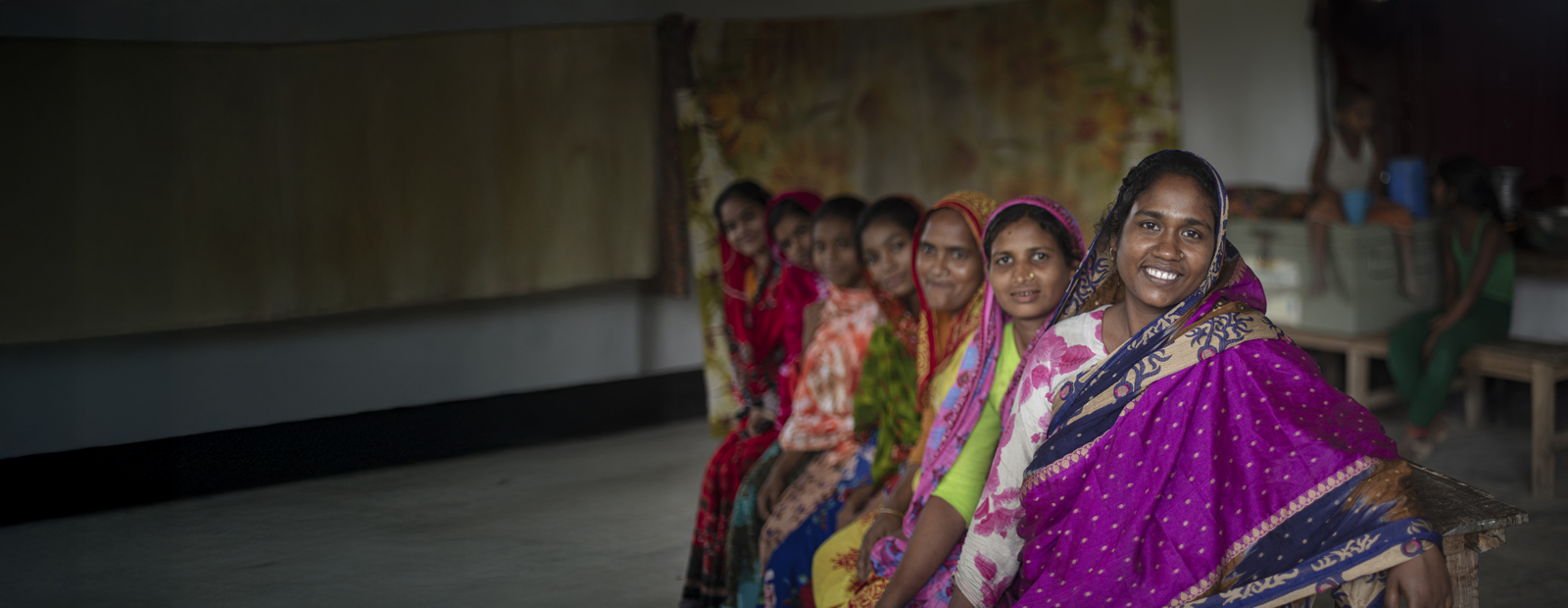
In Tonga, CARE partners with Talitha Project to equip adolescent girls with the skills and confidence to contribute to a more resilient economy and society. Through savings initiatives, financial literacy training and skills-based livelihoods, girls are supported to plan for their futures and support their families.
At the centre of this work is the Tonga Young Women’s Economic Resilience (TYWER) project, alongside complementary initiatives focused on sewing and small-scale agriculture.
Building financial skills through savings groups
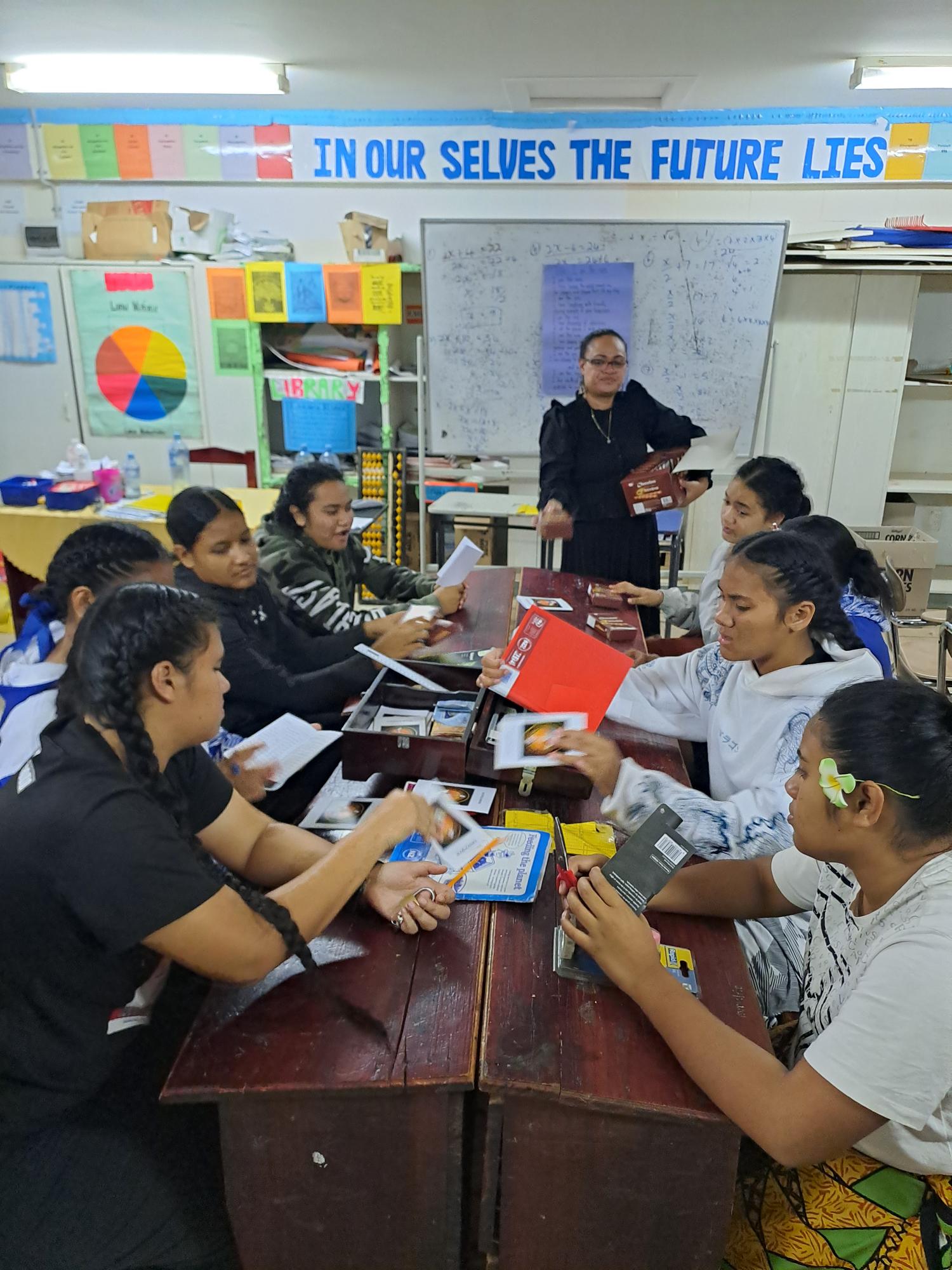
The Tonga Young Women’s Economic Resilience (TYWER) project is being piloted in three locations: two communities on the main island of Tongatapu and one Community College in Ha’apai.
Talitha Project has adapted the Village Savings and Loans (VSLA) approach specifically for adolescent girls in Tonga. The project engages community leaders and families and provides girls with life skills training to boost self esteem and confidence. Participants also receive training in financial literacy and management, and support to establish income generating activities that contribute to their own and their families’ long term goals.
At the Community College, TYWER participant Alisi* describes how the program has changed her approach to money:
I am thankful to be part of TYWER. I enjoy learning about financial literacy, how to budget and save. I am able to manage my money wisely for my ‘needs’ not my ‘wants’. Before, every time I got my hands on money I would spend it on junk food. I should have saved that money for something more useful. This program helps us young girls to set goals and manage finances responsibly to achieve those goals.
Community savings and greenhouse initiatives in Vaini
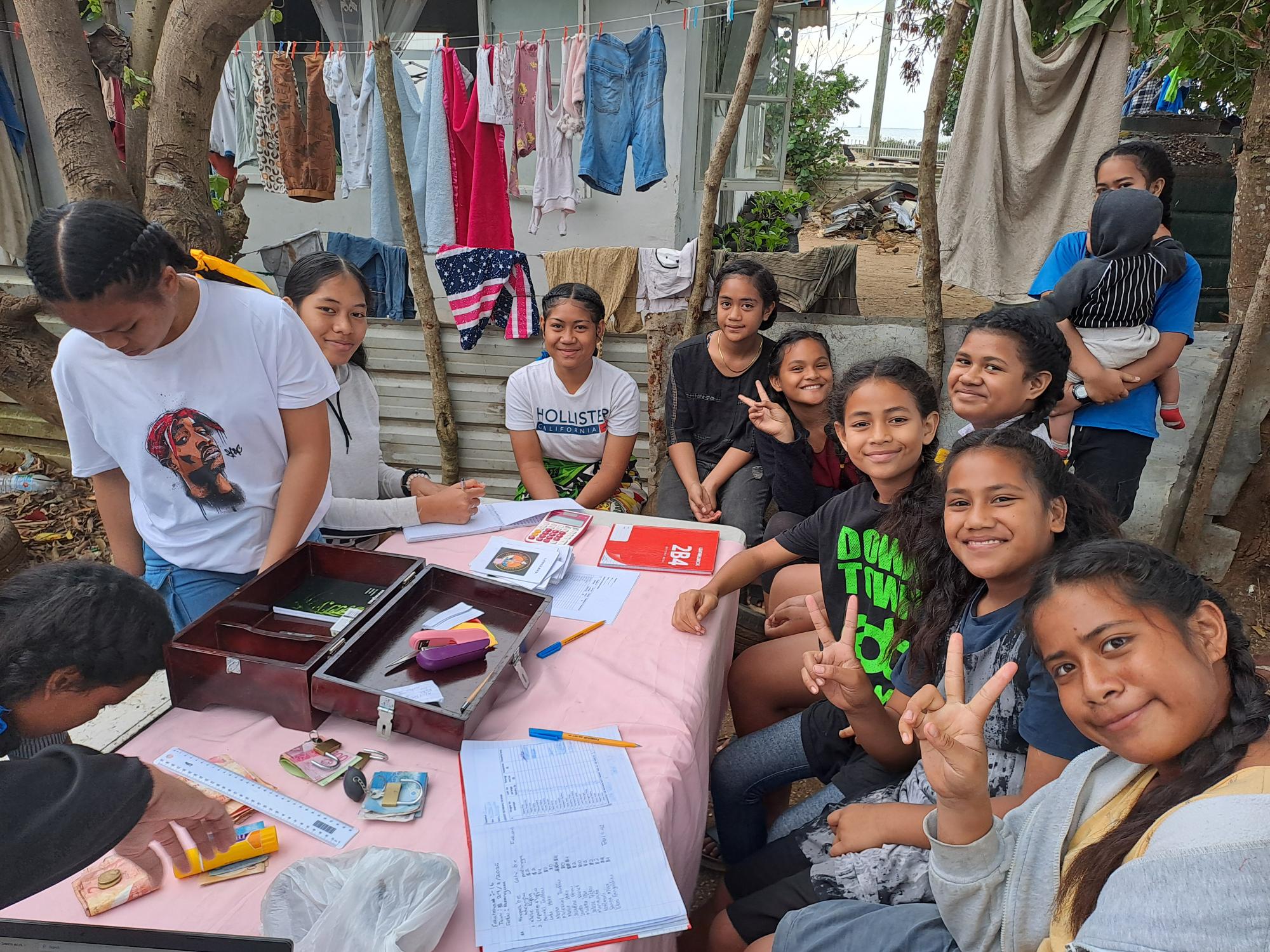
In the Vaini community, Talitha Project provided life-skills training to build girls’ confidence and training on financial management. An Adolescent Girls Savings Club, called “Ngaue Fakataha” (Work Together), was established to support collective saving and planning.
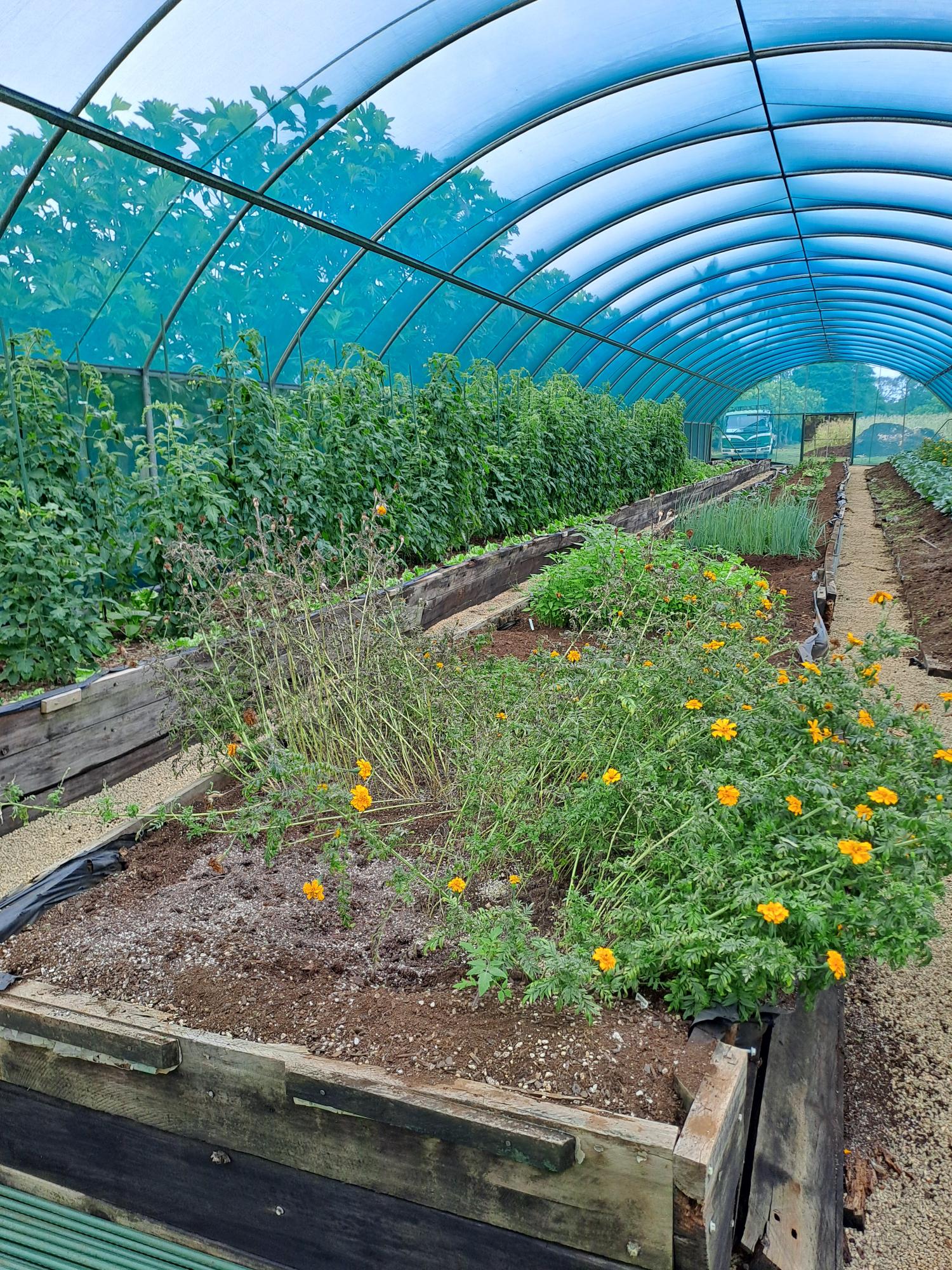
Girls and their families were also supported to set up greenhouses, where they grow vegetables and flowers to sell at markets.
Seventeen-year-old participant Taimane* reflected on how the savings group helped her change her spending habits and plan ahead:
At the beginning of last year, every time I would get money I would go straight to the shop and waste my money. I finally joined the savings group so that I could save my money for future needs like Christmas… when it got to December I had managed to save 75 pa’anga, and it really helped me to purchase what I wanted for Christmas. I could buy flowers to take to the cemetery for my relatives that had passed.
For Uila*, also 17, savings provided essential support for her family during a difficult period:
So when I got my savings in December, I was able to save more than 100 pa’anga and it really helped me and my family… Mid year last year my dad passed away and this savings group really helped me a lot, especially my mother.
Sewing skills to support livelihoods
To further support income-generation opportunities, Talitha Project installed a sewing hub at the Community College in Ha’apai. The sewing hub was launched by the Bishop of the Catholic Diocese of Tonga and Niue, His Eminence Soane Patita Paini Cardinal Mafi.
Fifteen students are currently taking part in the initiative, learning sewing alongside financial literacy skills, including how to set up savings and leverage loans to improve income generation. Talitha Project is working towards having the sewing club’s training recognised as part of the Level 1 curriculum, enabling students to stay longer in their home community before moving to the main island for further studies.
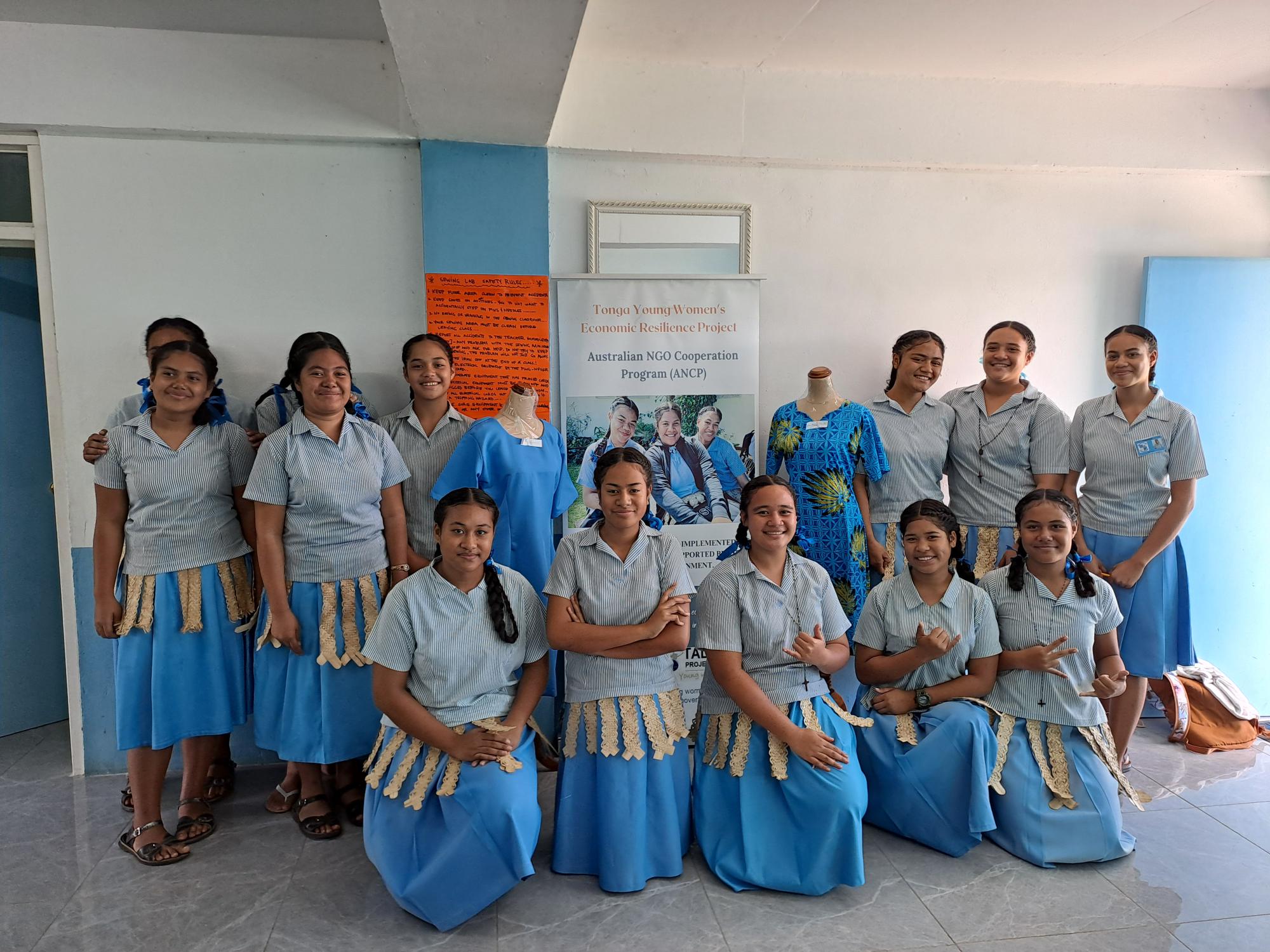
Maile, a mother from Ha’apai, has two daughters who joined the Adolescent Savings and Loans Club at the Community College and participated in life skills, financial literacy and sewing training.
Maile has seen changes at home:
When they come home from school, they do chores and things on their own without much support or prompting. They are more responsible and confident.
The sewing program is also addressing a local need in Ha’apai, where tailoring services are limited:
It’s really hard to find a tailor here at the island, and even if you find one the cost is very expensive, therefore this is why I encourage my daughters into sewing as this is a niche business in our island.
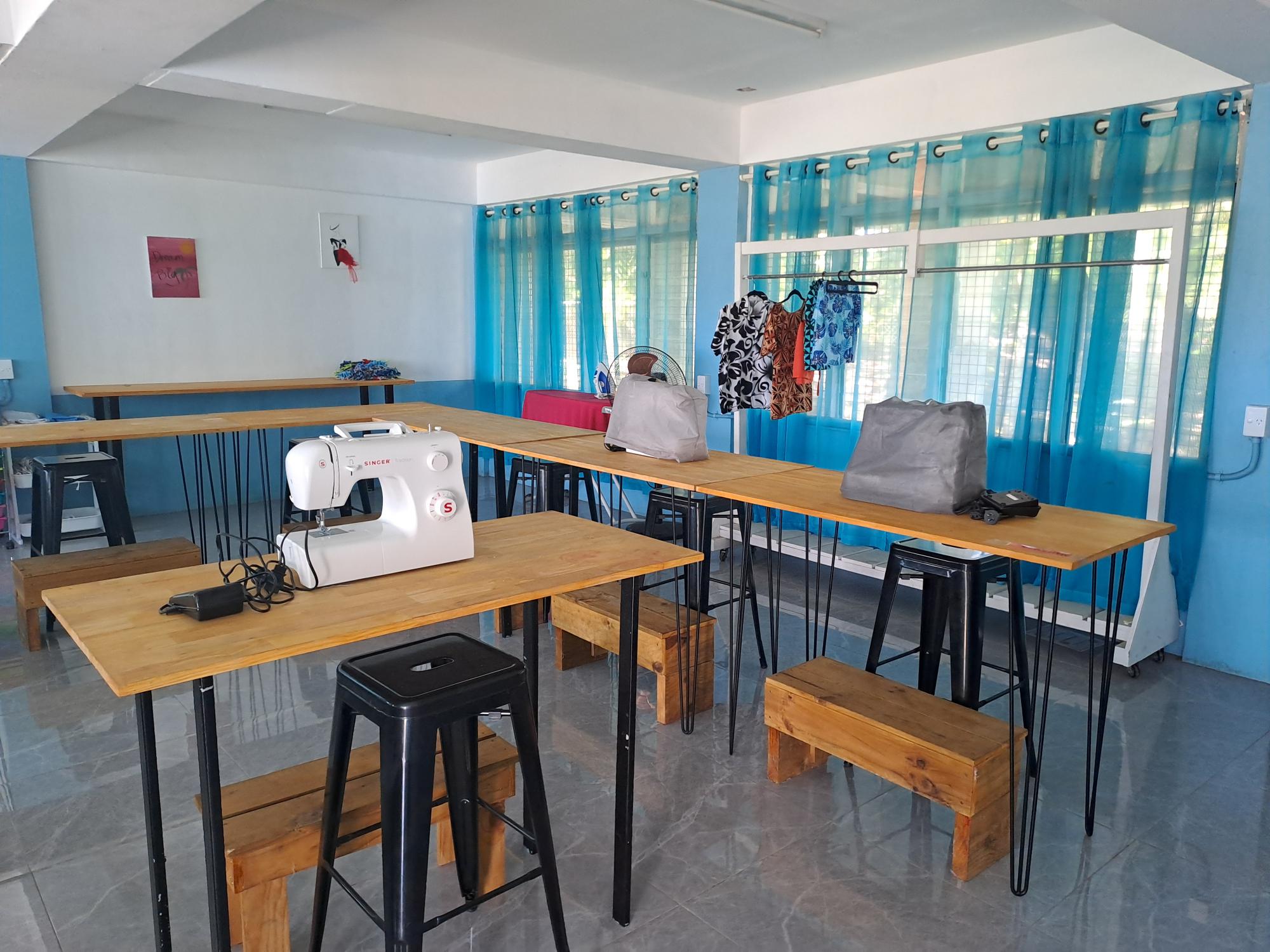
Looking ahead, Maile hopes her daughters will pursue further studies in sewing. Through Talitha Project’s interventions, students will now be able to complete the first year of a tertiary level course in Ha’apai, rather than travelling to Tongatapu.
Supporting young women’s economic resilience
This project forms part of CARE’s Pacific Partnerships for Gender Equality program which is supported by the Australian Government through the Australian NGO Cooperation Program (ANCP).
*Names changed to protect anonymity.
Want to contribute? Donate to CARE Australia today, or find more ways to give and support our humanitarians worldwide.