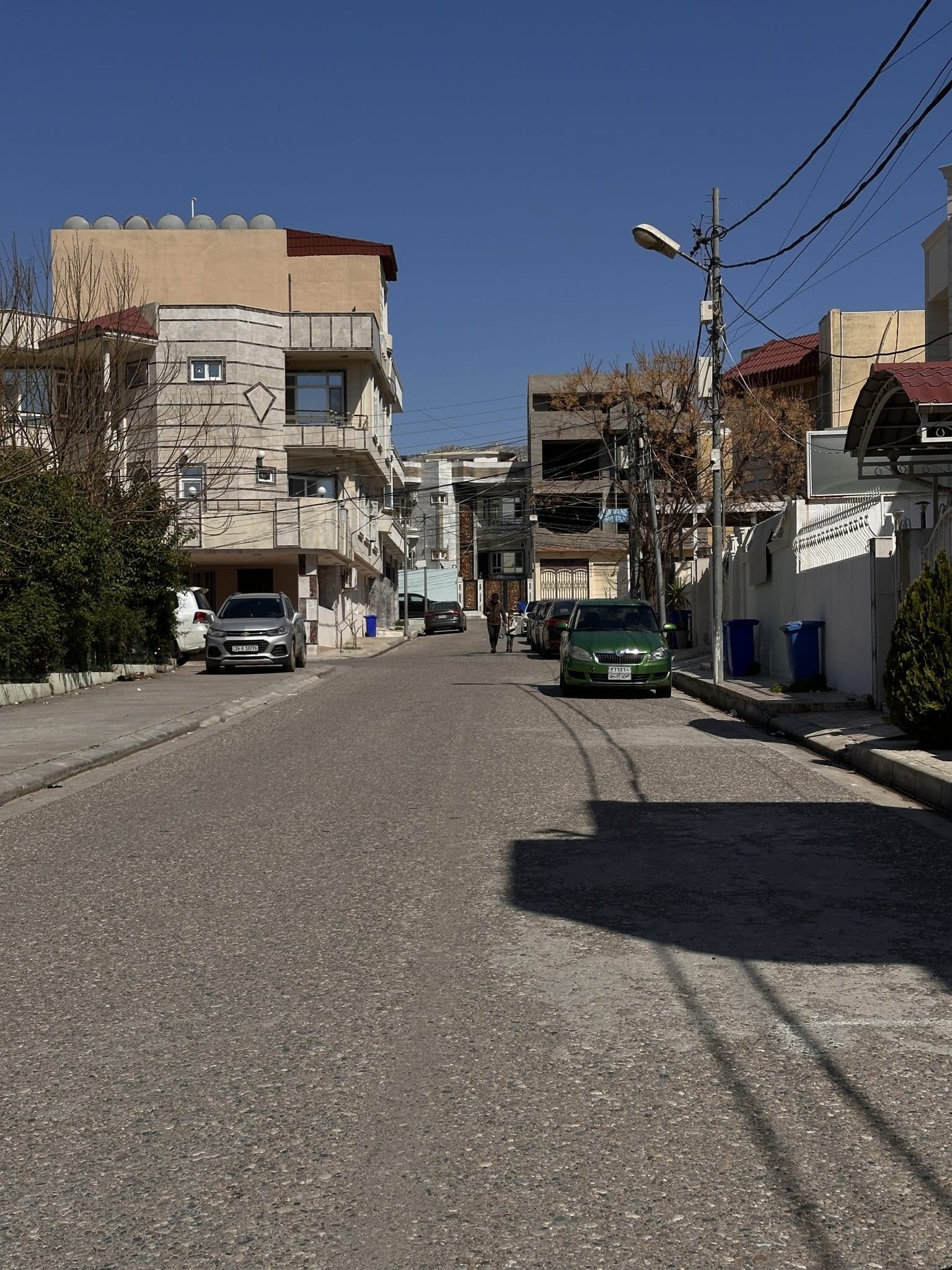
On the surface, things may seem normal. People go to work, shops are open, and daily activities continue. But underneath, there is a constant awareness that the situation remains fragile. Since the beginning of the conflict, schools have been closed, and many families have been left adjusting to disruption and the possibility of online learning.
In Erbil especially, the sense of normality has been deeply affected. Since the conflict began, drones have been seen in the sky and the sound of explosions has become something heard almost every night.
More recently, these sounds are no longer limited to the night. Explosions are now being heard during the day as well.
For our staff in Iraq, daily life continues with a mix of routine, fear and uncertainty.
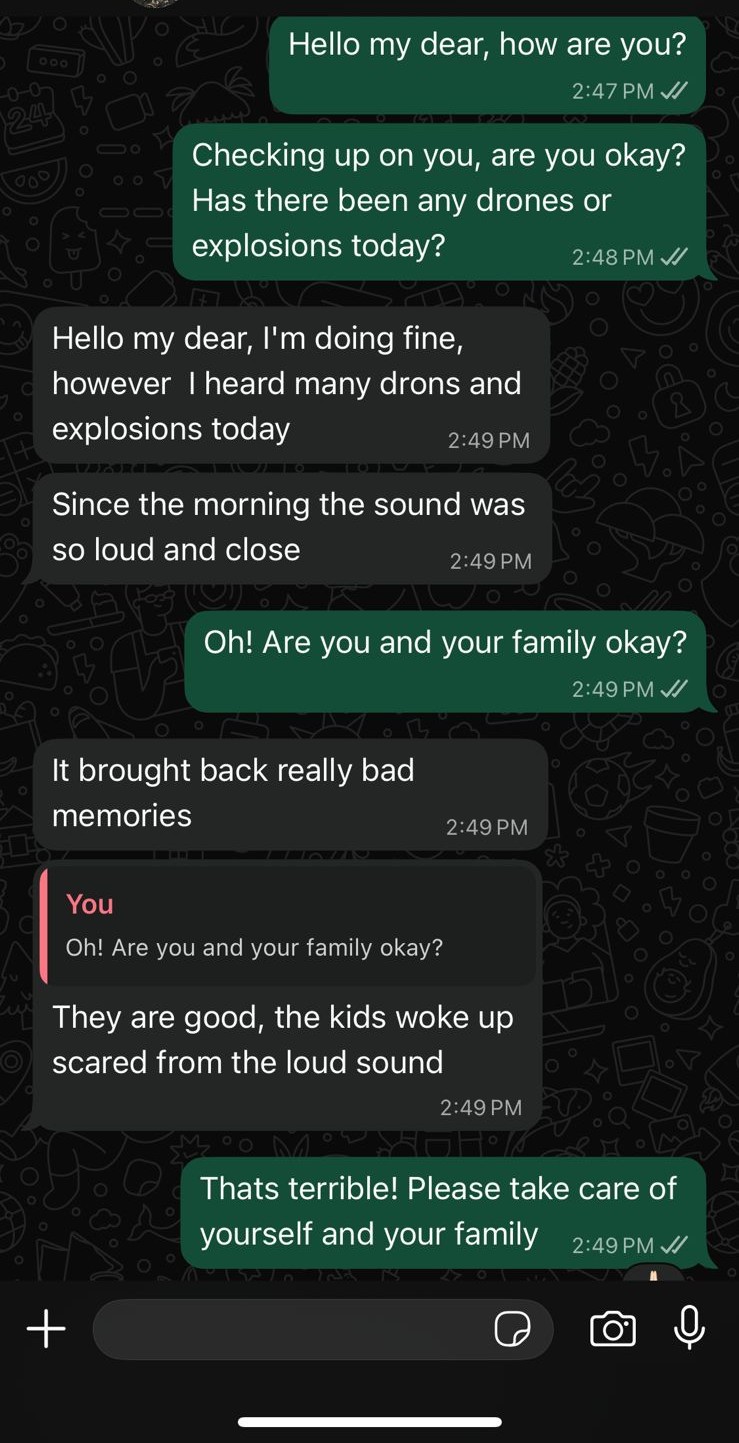
Last week people got killed in missile strikes. Today, while speaking with one of our colleagues, she shared that she had heard two explosions within less than half an hour. Moments like these interrupt the rhythm of daily life and make the uncertainty feel very close and very personal.
What affected me most are these human moments, seeing images of explosions in the air shared by my colleagues in Erbil was deeply disturbing. Around the same time, chatting with a colleague saying that her children had woken up in the middle of the night crying. Moments like that stay with me.
The main concern many of us share is the uncertainty and the fear of escalation. Iraqis have lived through war for so long, and more recently the country had started to feel some peace again. That is why this moment feels especially heavy. It is not only about the immediate risks, but also about the fear of losing that fragile sense of stability people had begun to hold onto.
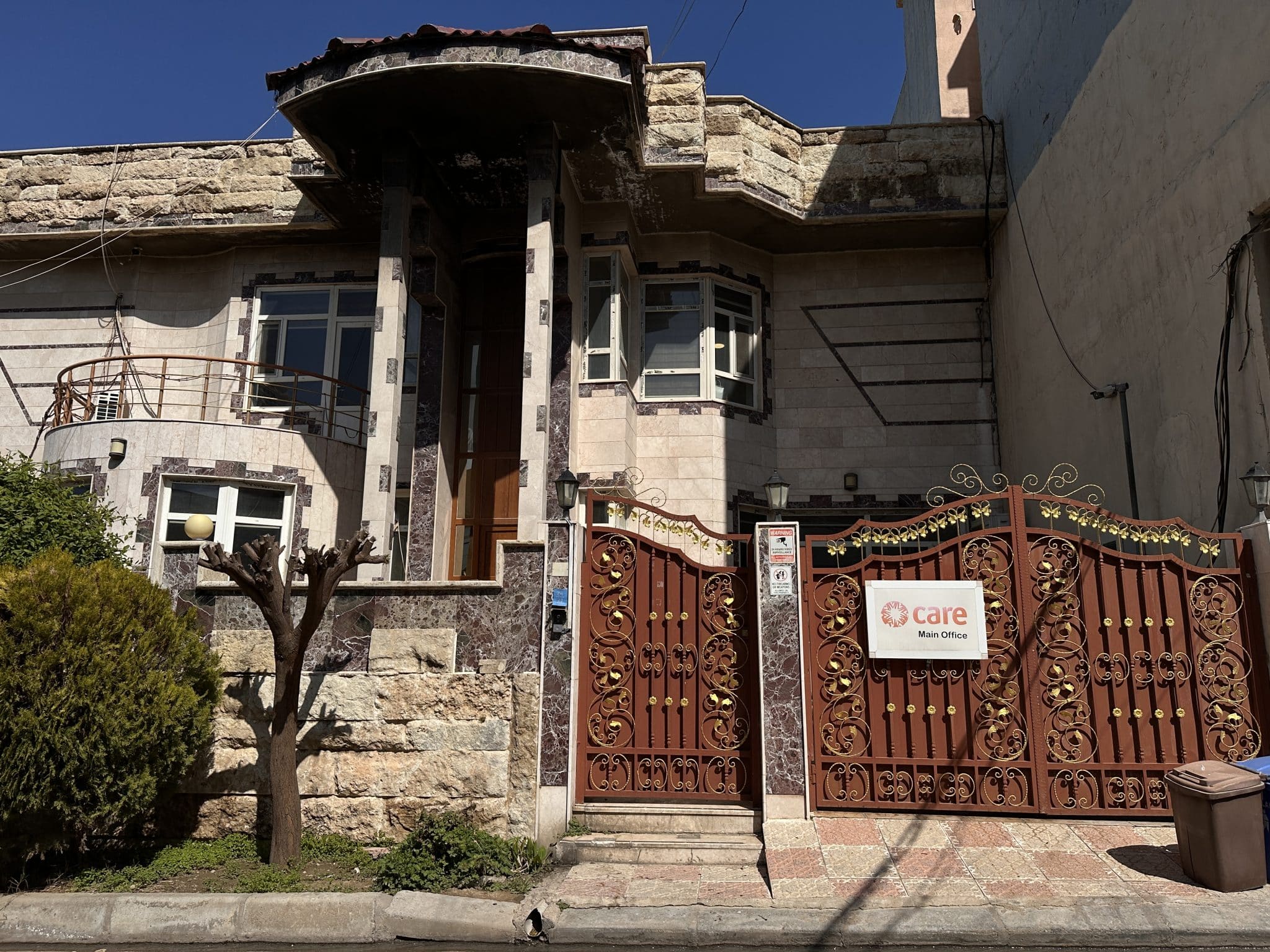
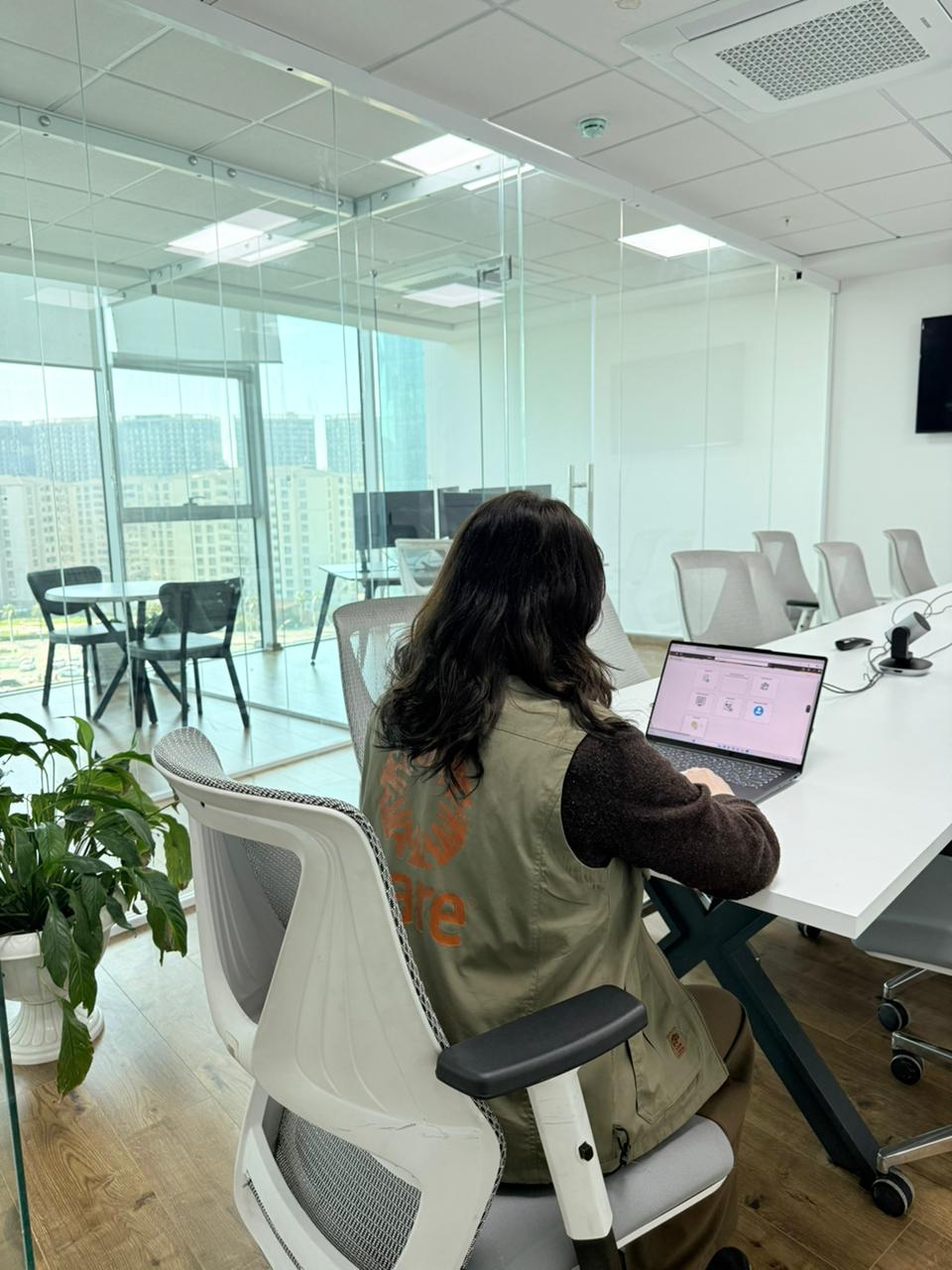
Each day, the team gets security updates to stay informed of the latest developments. These updates have become part of our daily routine, alongside checking the news and staying in touch with colleagues. They help us assess the situation, guide our movements, and determine whether working from home is the safer option.
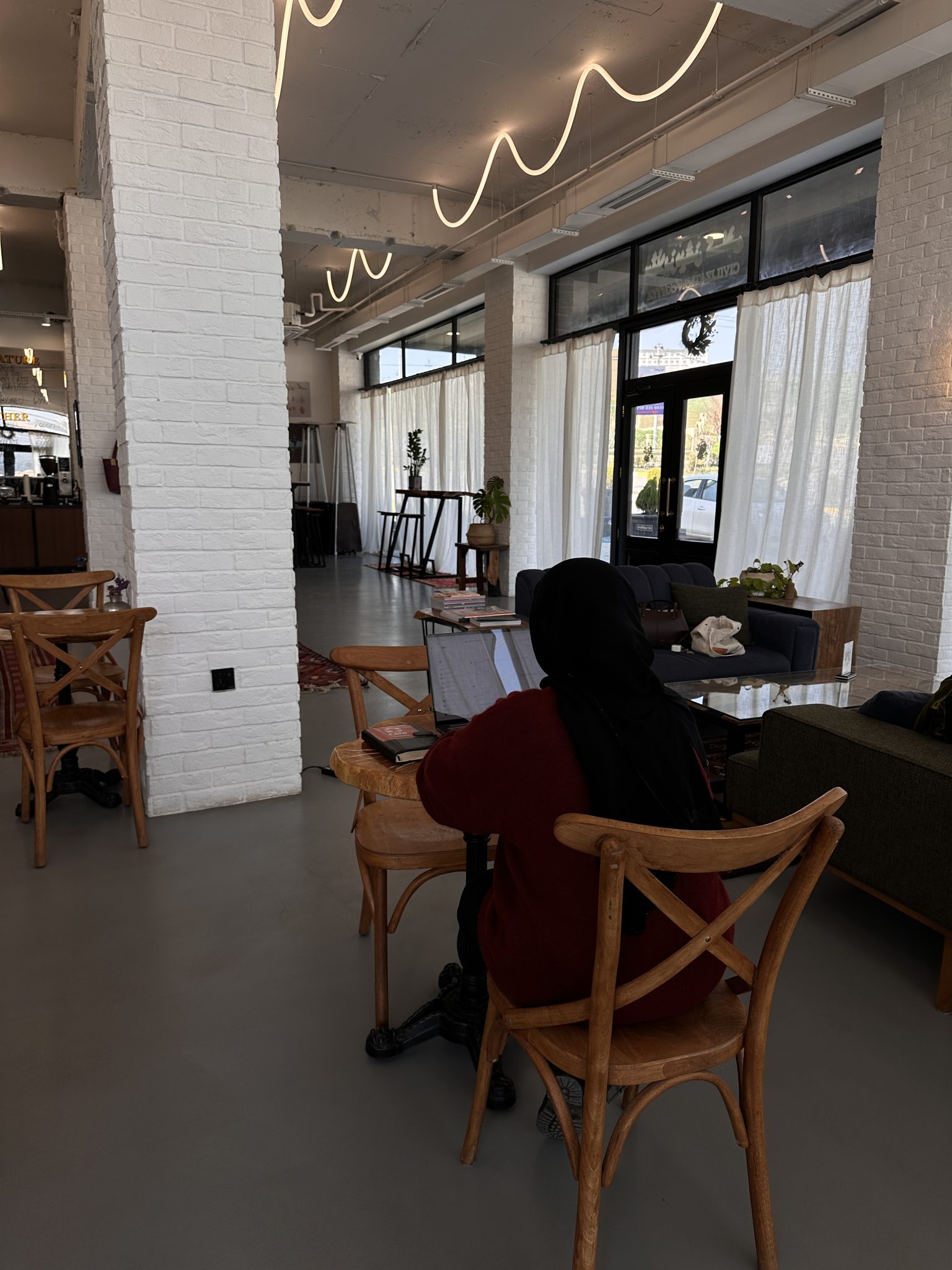
Personally, I try to deal with the situation by staying informed and staying connected. I follow the news, check on colleagues, and focus on my work. Since the beginning of the war, electricity has been cut off until 5 p.m., which has added another challenge to daily life and work. To continue working, I go to a coffee shop that has a generator. I also try to hold on to ordinary things that help me stay grounded, photography, design, participating in trainings, cooking for my family, and preparing dinner for them.
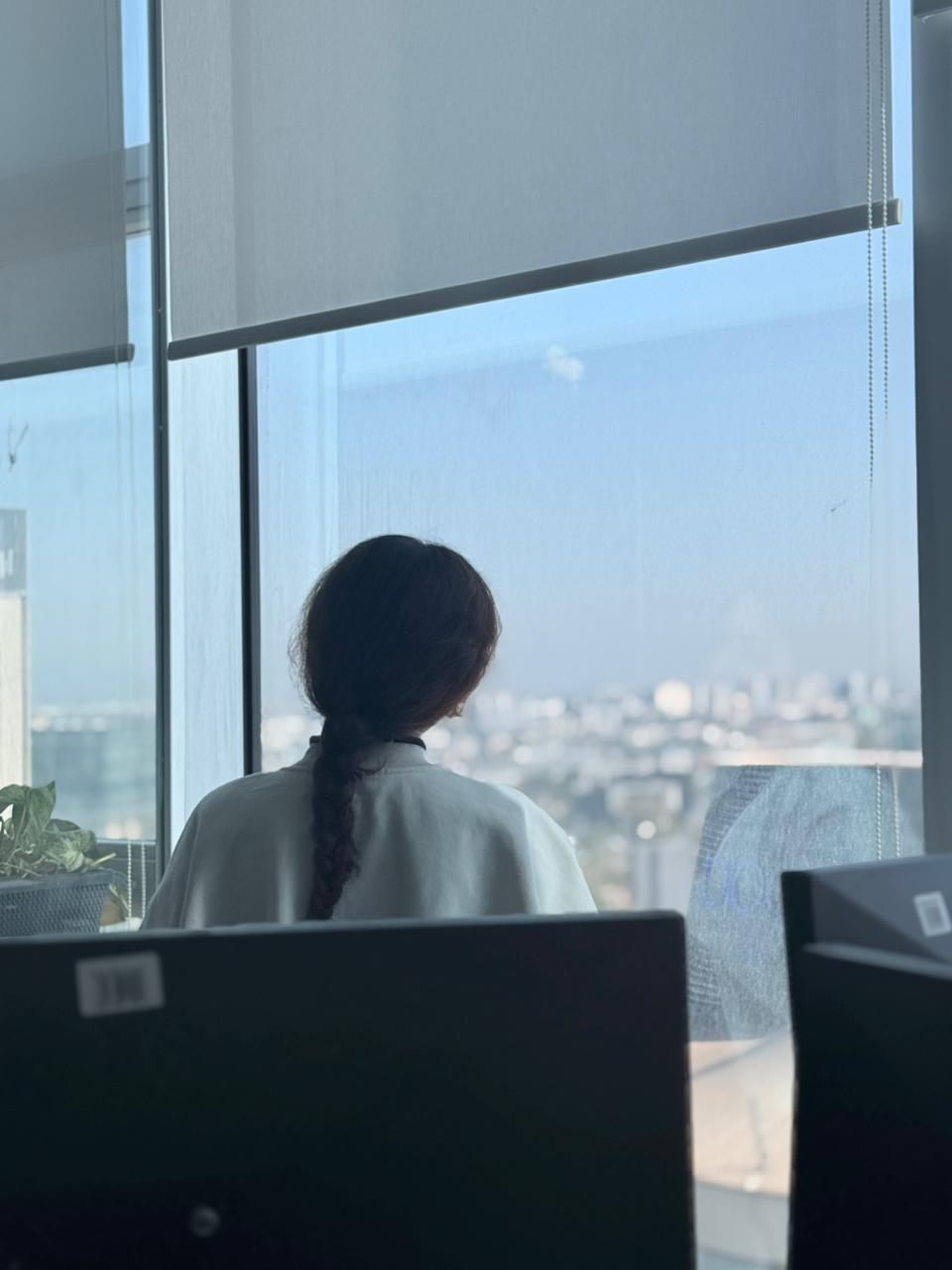
Duhok remains safer so far compared to Erbil, but even here there is still a clear feeling that things are not normal. That feeling is shared across Iraq, in the way people speak, in how often updates are checked, and in the quiet tension that sits behind everyday life.
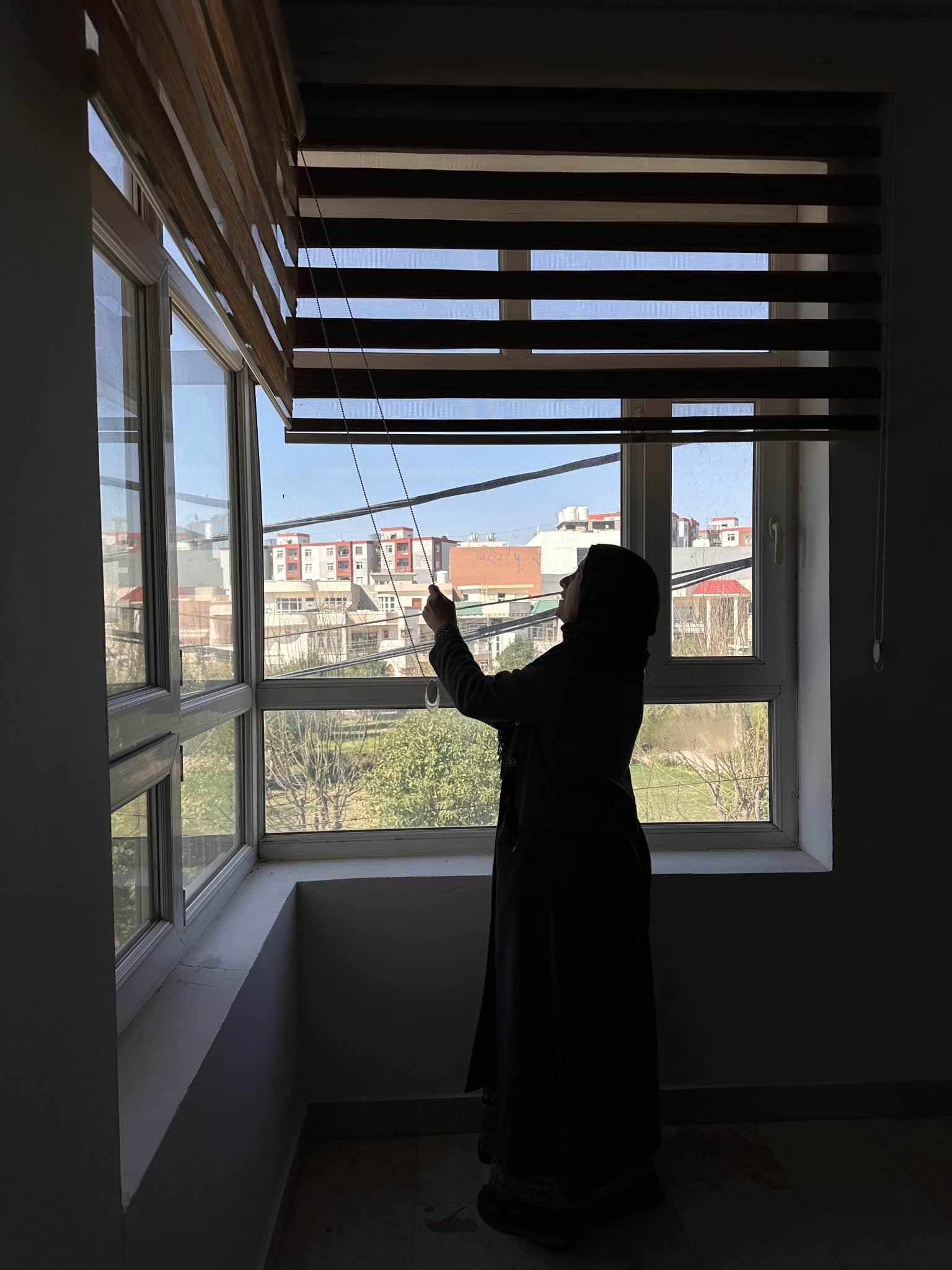
This story has been written by Huda Ali, communications officer CARE Iraq
Want to contribute? Donate to CARE Australia today, or find more ways to give and support our humanitarians worldwide.