You may have seen news coverage of a humanitarian crisis and wondered how only one charity can support the entire needs of that community. The reality is that skilled humanitarian responses are made up of many organisations all working collaboratively together.
In order to reach as many people affected as possible, local governments, community leaders, humanitarian agencies and local partners are all vital in ensuring help reaches communities who need it most. While each organisation plays a vital role in the delivery of aid, no one organisation can tackle every aspect of a humanitarian crisis alone.
By working together and coordinating resources, sharing information and understanding local priorities, we can prevent duplication of efforts, identify and fill gaps and deliver assistance as quickly and as effectively as possible. That’s how we at CARE Australia improve humanitarian responses to ensure they’re faster, more effective and tailored to the needs of each community.
You can help. By donating today, you can help CARE Australia provide lifesaving humanitarian aid, support women and girls and build community strength before, during and after emergencies.
Here in Australia, as part of the global CARE network, we work with local governments, grassroots community organisations we know and trust, and our international humanitarian partners to help deliver our support, with a special focus on locally-led responses across South-East Asia and the Pacific regions.
But how does all this coordination actually occur? Let’s take a look.
Table of contents
- Why Coordination Is Essential During Humanitarian Crises
- Working Alongside Local Governments
- Supporting Existing Emergency Response Systems
- Understanding Local Priorities
- Partnering with Local Organisations and Communities
- How CARE Australia Works with International Humanitarian Agencies
- Sharing Resources Where They’re Needed Most
- Supporting Communities Beyond the Immediate Crisis
- How Donations Help CARE Australia Respond
- Why Collaboration Creates Better Humanitarian Outcomes
Why Coordination Is Essential During Humanitarian Crises
It usually takes multiple organisations to respond to the needs of communities during an emergency crisis. Governments, local and international agencies, and humanitarian organisations all provide different resources, skills and understanding of the community to help during a humanitarian crisis. By working together, we can do more to support communities than we could alone.
Humanitarian coordination helps ensure that organisations aren’t duplicating efforts and that gaps in the response are identified. Instead of two organisations providing the same service to one community while another community receives nothing, effective coordination means more organisations can work together to get lifesaving assistance to the people who need it most.
Humanitarian coordination also means we can provide assistance to communities faster. Sharing information, coordinating logistics and supplies, and supporting each other means CARE Australia can get humanitarian aid to the affected communities more quickly and can help more people access the food, water, shelter and other support they need.
Working Alongside Local Governments
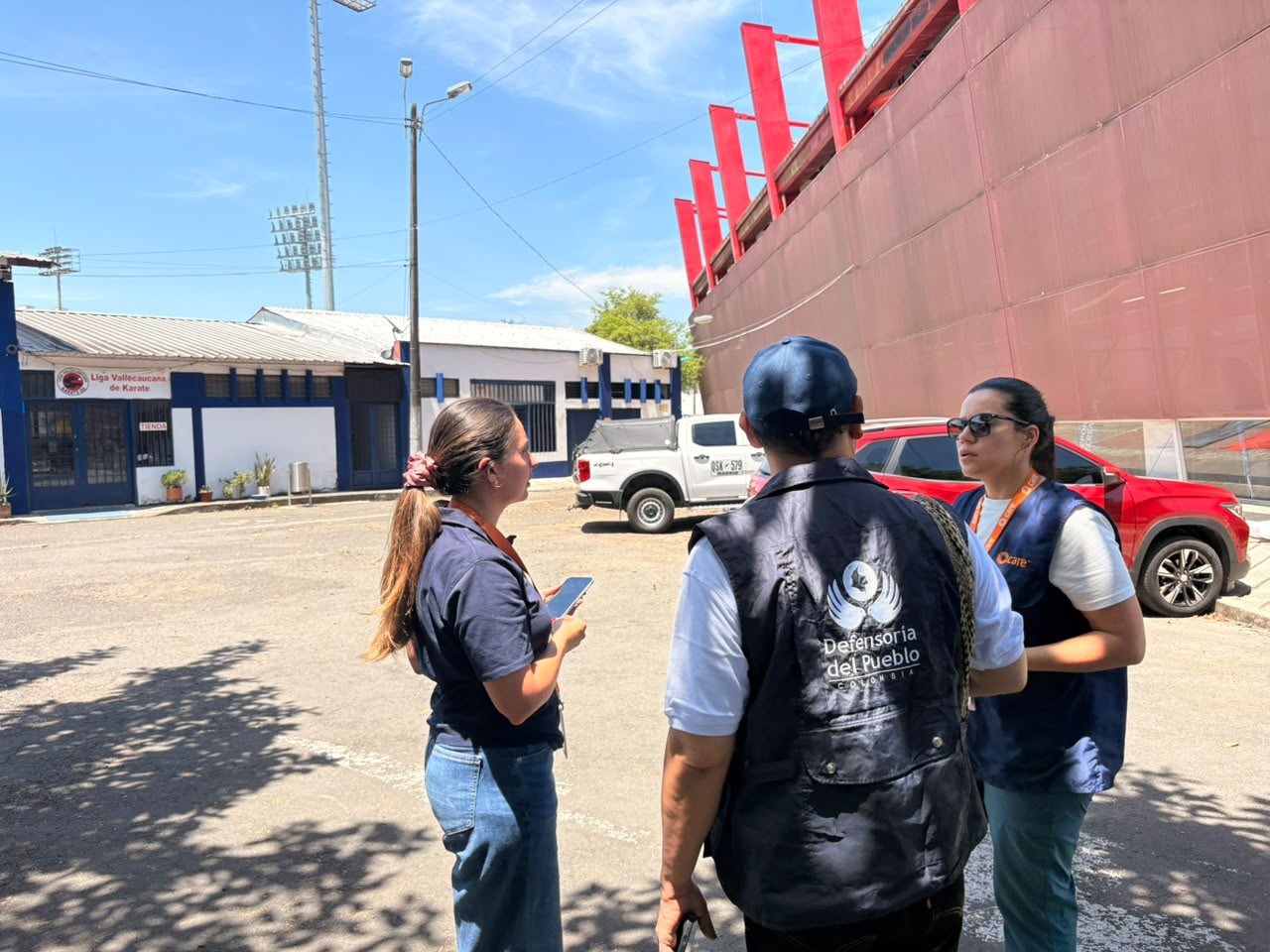
While foreign governments provide aid during humanitarian crises, CARE Australia knows support is most effective when working in partnership with local governments. We work within existing emergency response systems so that assistance is provided to complement national and local response efforts, not duplicate them.
Supporting Existing Emergency Response Systems
Local and national governments have a critical role during emergency response efforts. CARE Australia collaborates with government agencies to identify where gaps in services exist, share technical expertise and coordinate relief efforts to ensure assistance is provided where it’s needed most. By working together, we can ensure humanitarian assistance reaches communities quickly and efficiently.
Understanding Local Priorities
Local needs can vary drastically from community to community. CARE Australia works within government systems and ensures we understand the cultural context, community priorities and recovery plans that are already in place. Partnering with local leaders and government agencies helps us identify how we can best respond to immediate needs and assist in the long-term recovery process.
Partnering with Local Organisations and Communities
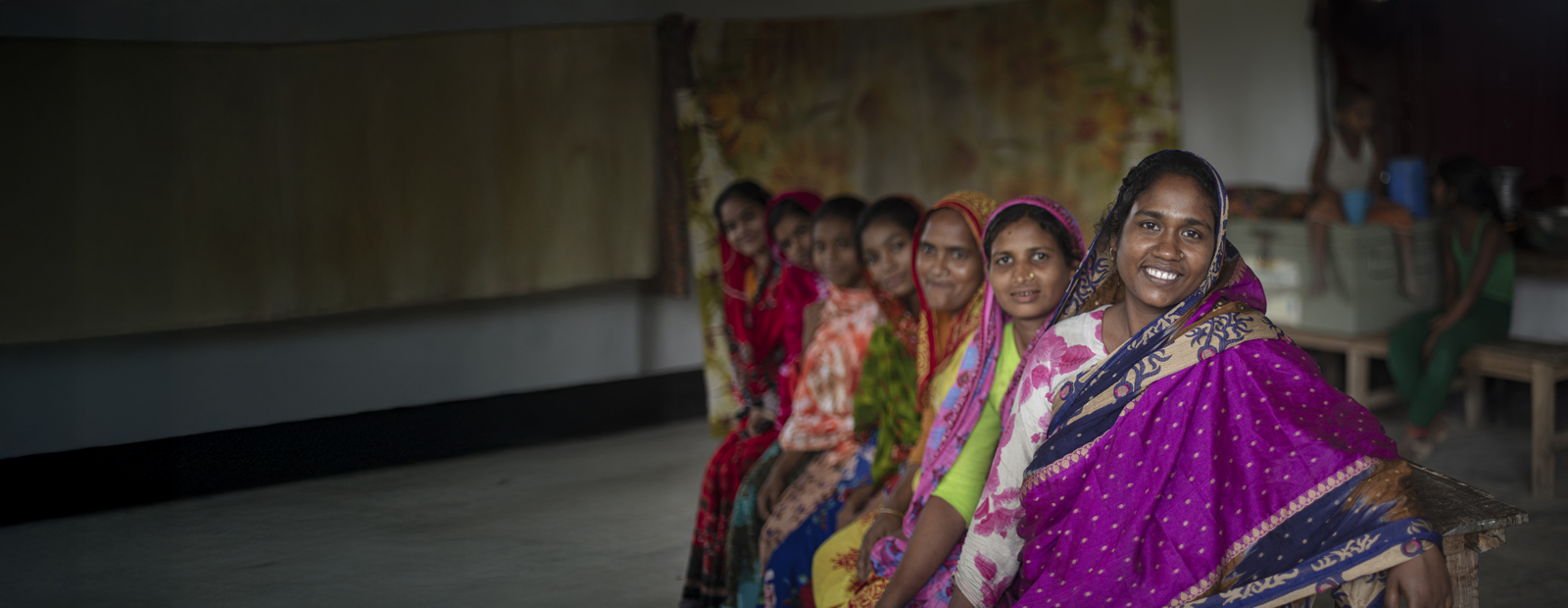
We believe that those closest to a crisis are best placed to respond. This is why CARE Australia works through decades-long relationships with local organisations, community leaders and women’s organisations to ensure communities can shape their own solutions.
Our work is founded on CARE’s global ethos of “being as local as possible, as international as necessary”. Instead of imposing aid from overseas, CARE Australia works with local partners it knows and trusts to build on existing knowledge, leadership and capacity.
A key part of this is working to ensure women and girls’ voices are heard and they can lead in their communities. This is why CARE Australia partners with organisations that prioritise understanding and meeting the needs of women and girls when emergencies strike. This strengthens their protection during times of crisis and empowers them to help shape the decisions that affect them.
How CARE Australia Works with International Humanitarian Agencies
Humanitarian emergencies are complex and often require the coordination of multiple organisations, governments and areas of expertise to respond. As part of the CARE International global confederation, CARE Australia collaborates with international and Australian agencies, UN bodies, NGOs and local civil society to support communities impacted by crises.
Collaboration between humanitarian organisations allows for information, resources and expertise to be shared. This means we can gain a more comprehensive understanding of the challenges faced by communities and better coordinate our response efforts. By working together we can help ensure an aligned response, identify gaps in services and ensure aid reaches the most affected communities.
Take, for example, large-scale humanitarian crises in places like Gaza. CARE teams up with in-country partners to assess community needs, coordinate assistance and provide essential relief. Another example is in countries affected by conflict and displacement, like the tragedy in Sudan, where multiple humanitarian organisations need to work together to meet the needs of people in crisis.
From conflict zones to natural disasters and everything in between, CARE Australia partners with organisations across the humanitarian sector to provide support that is locally informed and globally connected.
Sharing Resources Where They’re Needed Most
Coordination is another critical component to ensure resources can be used effectively during a crisis. Organisations may be able to provide different kinds of resources, whether that be emergency items and financial donations or specialist personnel, logistics networks and technical expertise.
Information gathered from humanitarian coordination and local partners, alongside CARE Australia’s community assessments, helps us to understand what additional resources may be required. This way we can ensure the right assistance reaches the most affected communities when they need it, and avoid duplicating the efforts of other agencies who are helping out.
Collaborating with local partners and other organisations also allows us to combine local expertise with international knowledge to provide the most effective humanitarian assistance. Plus it means we can support communities during emergencies and help with long-term recovery.
Supporting Communities Beyond the Immediate Crisis
When disaster strikes, rapid humanitarian response is critical to support affected communities. But for CARE Australia, our work doesn’t stop there. We also work to support long-term recovery efforts once the immediate emergency has subsided.
Recovery provides the opportunity for communities to rebuild and recover livelihoods, restore basic services and stabilise their lives whilst also preparing for future emergencies.
By partnering with local communities and organisations, CARE Australia can support disaster recovery programs that address both immediate and future needs. This might look like helping people to rebuild after a crisis, or disaster risk reduction programs that support communities to better understand their risks and create plans to deal with future disasters.
Education for girls and women is also a critical part of CARE Australia’s recovery work. Women are often the first line of defence in protecting families and communities and have a huge role to play in recovery efforts. However, they are often disproportionately affected by crises and their voices are not always heard. Empowering women and promoting their leadership helps ensure everyone has a say in rebuilding their community.
Long-term recovery and development programs also help tackle the root causes of inequality and poverty by focusing on building resilient futures now and beyond the immediate humanitarian response.
How Donations Help CARE Australia Respond
When disaster strikes, every second counts. That’s why donations allow CARE Australia to respond quickly to emergencies whenever and wherever they are needed most. Contributions give us flexibility to provide emergency relief supplies, fund local partners or assist with recovery efforts.
Flexible funding, which includes donations to the Global Emergency Fund, means we don’t have to wait for funds to be raised before assisting communities following an emergency. It allows our teams to respond immediately and continue to react as situations change. We can then provide assistance based on the needs of communities and our partners.
Donations also help support the local organisations CARE Australia works with around the world. Our partners have an incredible knowledge of their communities which allows us to distribute resources appropriately and ensure help is provided in culturally sensitive ways.
At CARE Australia, we’re committed to being transparent and accountable to our supporters. You can see exactly where your money is going and how your donations are used to provide humanitarian aid, strengthen communities and create long-lasting change.
With regular ongoing giving, CARE Australia can respond more quickly when emergencies hit and continue helping women and girls with our resilience-building programs around the world.
Why Collaboration Creates Better Humanitarian Outcomes
Humanitarian emergencies are complex. Often, responding to these crises alone is not possible for one organisation. Partnerships between governments, communities, and local organisations with a common purpose are key to an effective response.
Partnerships allow CARE Australia to pool local knowledge and international expertise to deliver better support. Prioritising locally-led responses means communities have a say in decisions that affect them and that support meets their actual needs.
Central to our work is supporting women and girls. Local partnerships allow CARE Australia to support women and girls to access opportunities, have their voices heard, and lead efforts to strengthen their communities’ resilience to future disasters.
Your donation means CARE Australia can work in partnership with local organisations we trust to provide humanitarian assistance to communities most at risk. Please donate today.