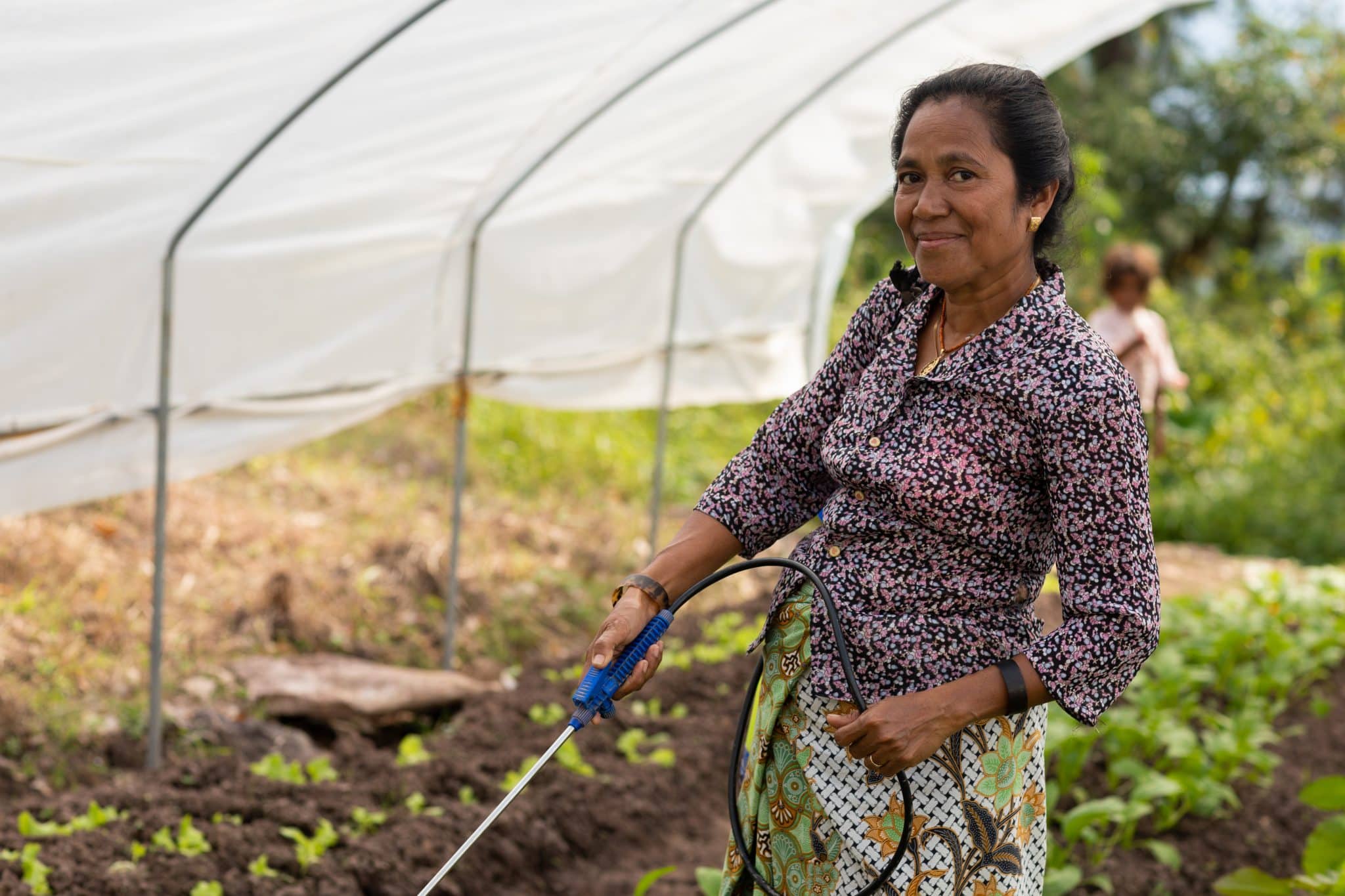
When the sun rises in rural Timor-Leste, Filomena’s busy day has already started. Like many other women, she wakes up before dawn to prepare food for everyone in her family, does the housework and looks after her grandchildren.
Filomena also works as a farmer and is a leader in her community. The food they grow is primarily for themselves and their families, making a successful harvest especially important.
When failed harvests mean no food on the table
Communities like Filomena’s are vulnerable to weather conditions that can damage their crops. A failed harvest can mean much more than having fewer vegetables on the table – it can mean going without food, spending savings at the market or cutting back on what the family eats.
Filomena remembers a time when pests damaged all their crops. “When we would grow vegetables or tomatoes, we had problems with caterpillars which would eat the plants. This wasn’t good. If we didn’t manage to get to them, the vegetables would die.”
Her community is no stranger to what a failed harvest means. There have been times when she struggled to feed her family. But even when she had little, she shared her food with others.
“If people come to my house and they need food, I don’t expect them to give me money or pay back the food. We help each other,” she says.
Climate change is making it harder to grow food
80% of people in Timor-Leste depend on agriculture for their livelihood. With extreme weather events driven by climate change and this year’s super El Niño weather event, more communities are at risk of hunger.
Across Timor-Leste, hunger and malnutrition remain serious challenges, especially among children. The country has one of the highest rates of childhood stunting in the world, with almost one in two children under five being stunted.
Food insecurity can present particular challenges for women, as they often play an important role in feeding their families and communities. However, when food is scarce, they are more likely to eat least and last.
Women farmers can also face additional barriers, including less access to land, finance, technology, training and decision-making. Having fewer resources leaves them more vulnerable to hunger.
Putting determination into action
When a CARE-supported rural livelihoods program began in Filomena’s village, community members received materials to establish a large community garden, while women received training to help run it.
Filomena stepped forward and became one of the leaders.
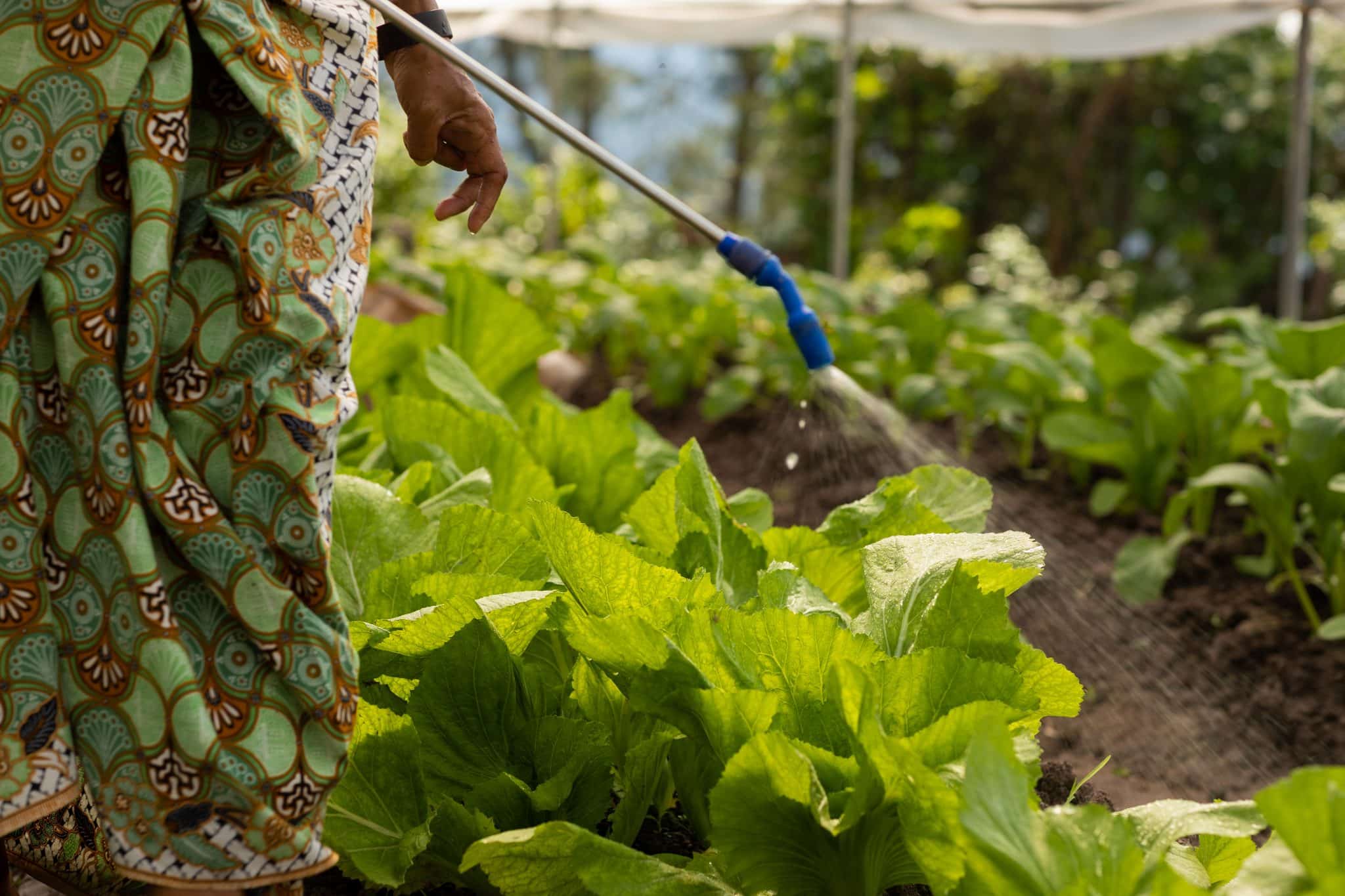
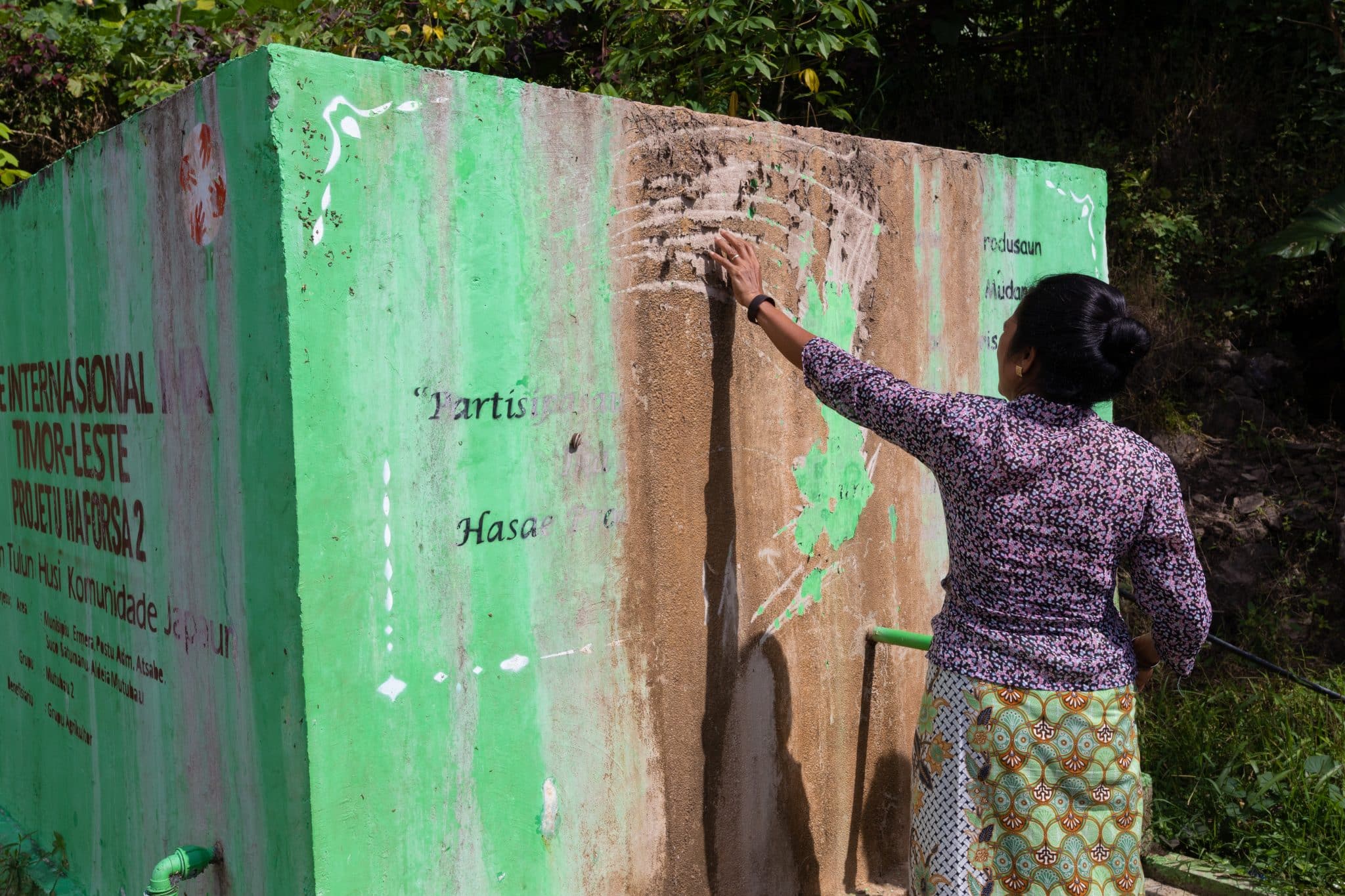
When the first load of materials arrived, she got things moving. Filomena put down tarpaulins to smother weeds, helped prepare the soil for vegetables and took charge of maintaining the rainwater tanks – a crucial task for healthy harvests.
Alongside other women, she learned sustainable farming techniques and how to protect her crops from livestock, drought and pests. One of the lessons she learned provided an answer to a problem she knew all too well – the caterpillars destroying their crops.
“We learned how to kill the caterpillars. We crush up ginger or turmeric and put it together with garlic and use this to kill the caterpillars.”
Filomena and the other women farmers began putting their knowledge into practice, protecting their crops and improving their harvests.
Creating lasting change: growing food and bringing income
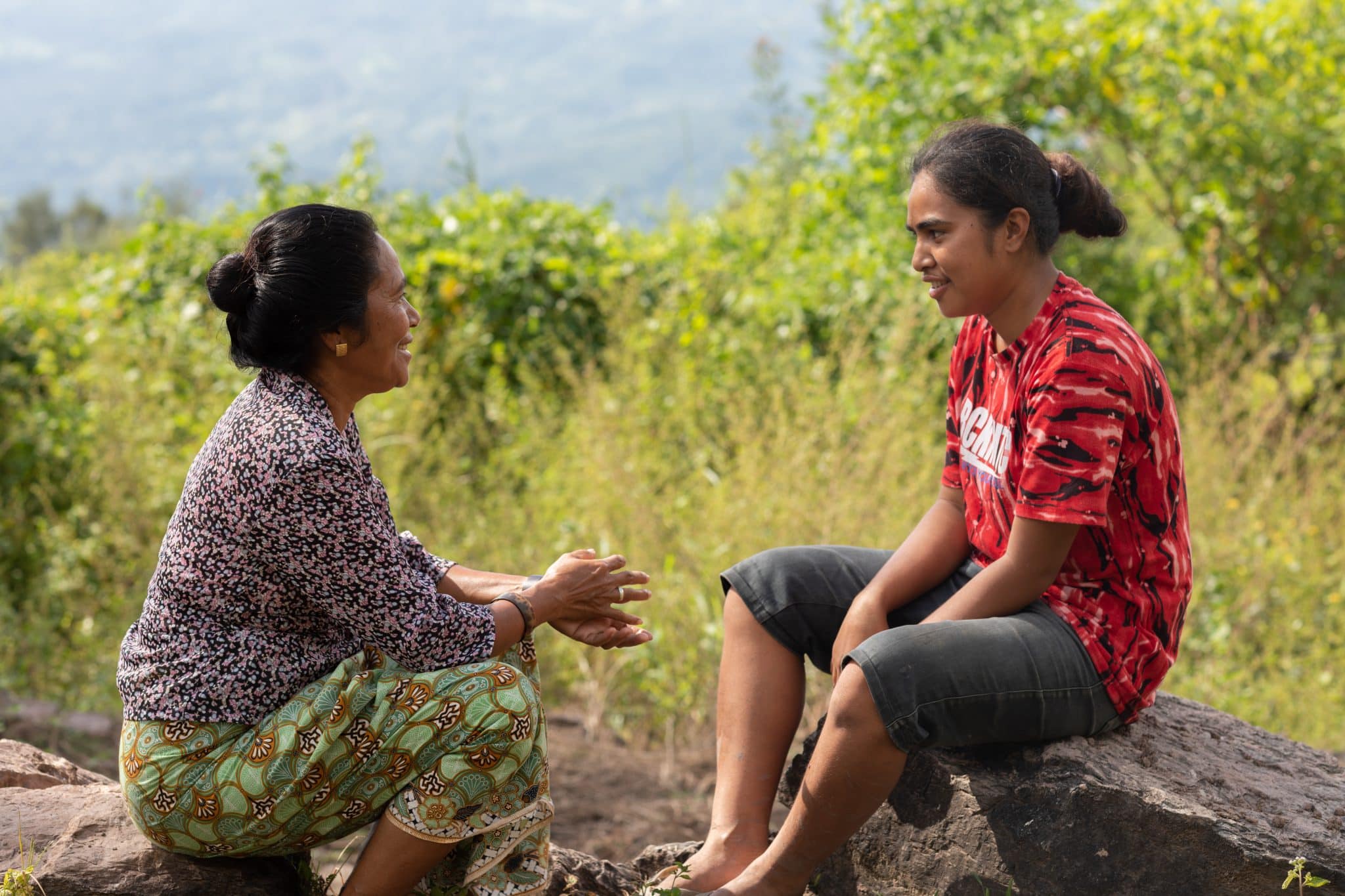
Filomena’s determination and hard work began to deliver results.
Her community began growing more food. Even better, their garden started to produce enough for families to sell some of their excess produce, bringing income to the community.
Today, Filomena looks out from her home and sees food growing where there was once uncertainty. She sees women working together, families eating, and produce being sold to bring income into the community. With fresh vegetables growing nearby, families also no longer need to travel far to buy food.
One good thing about the project is that with vegetables out the front here, we don’t want to go to the market. We just stay here. Tomatoes or chilli, anything. We are really happy. All of the markets are a long way away.
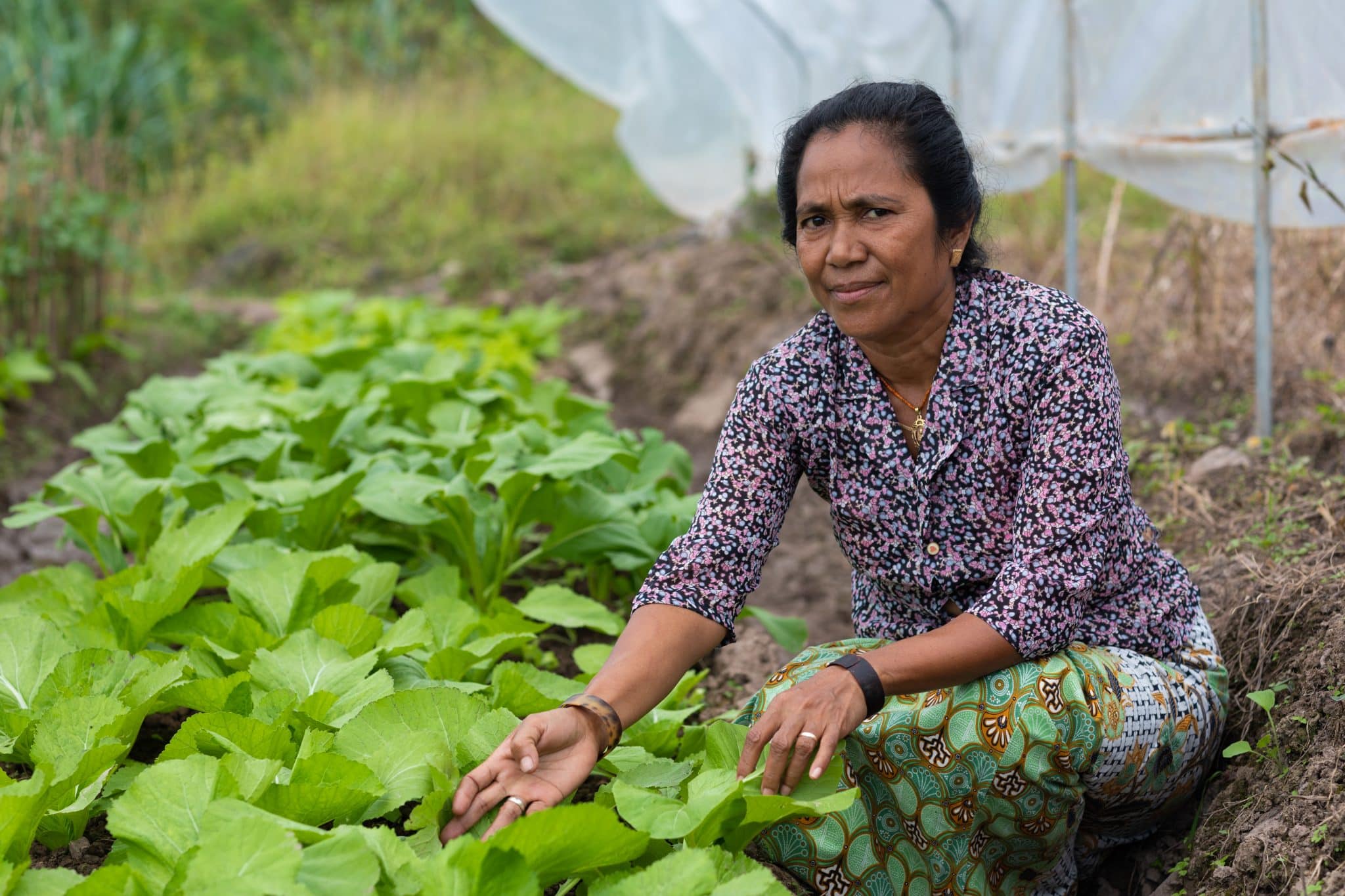
Filomena’s story shows what is possible when women farmers have access to the resources they need. They can turn determination into action, growing food, earning an income, sharing knowledge and building stronger communities.
Your gift can help women like Filomena access the resources, knowledge and opportunities they need to overcome hunger in their communities. Donate today.