The tenth CARE Crisis Report, published today, analyses the annual global online media coverage of humanitarian crises and reveals: with only 1,532 online articles, the Central African Republic is the most overlooked humanitarian crisis of 2025. The protracted conflict there has left more than 2.4 million people in need. One in five is displaced from their homes. This year marks a sad milestone: the Central African Republic has appeared in every edition of the CARE Crisis Report since the report’s launch in 2016.
“As disasters and armed conflicts multiply, humanitarian crises are competing ever more intensely for public attention—and, as a result, for desperately needed funding,” says Andrea Barschdorf-Hager, Managing Director of CARE Austria. “For ten years now, the CARE Crisis Report has highlighted which humanitarian crises are at highest risk of being forgotten. Visibility is, ultimately, a matter of human dignity—and survival: Without public awareness, complex crises are less understood and too rarely prioritized by policymakers, even though those affected remain in desperate need.”
Africa bears the brunt of forgotten crises
Namibia in Southern Africa ranks second on the list, with 1.3 million people lacking sufficient food. Zambia comes in third, where 5.5 million people rely on humanitarian aid. While Honduras and North Korea are also included in the report, eight of the ten most neglected crises again take place in Africa. A key factor: climate change is acting as a powerful crisis accelerator—driving more frequent and severe weather events, harvest failures, and mounting pressure on water and food supplies.
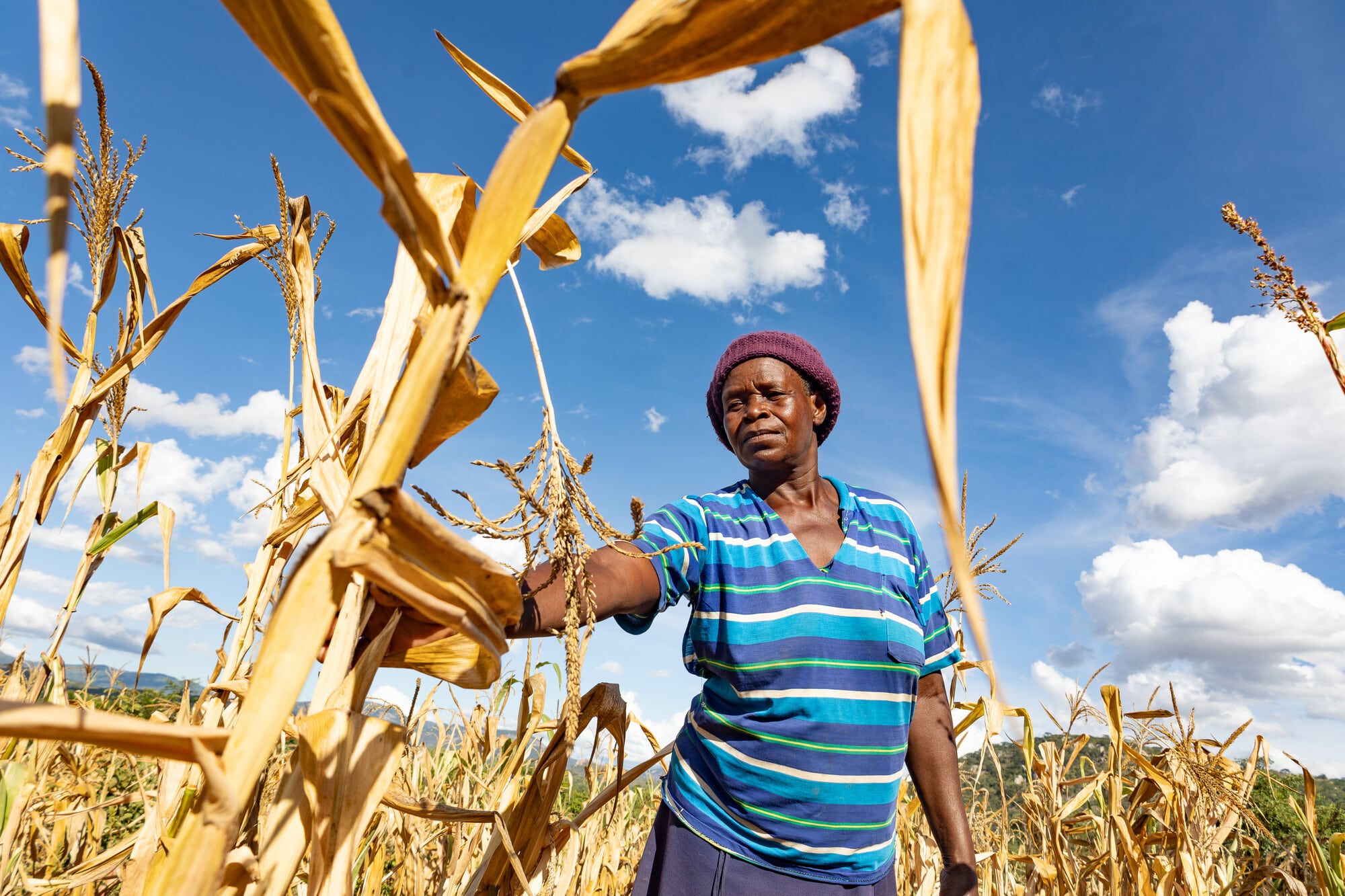
This is also true in Zimbabwe, where drought threatens the food security of millions, especially in rural areas. “It was heartbreaking to see the severity of the 2023/24 El Niño-induced drought in Zimbabwe affecting millions of people in Zimbabwe so widely overlooked by the media. Communities struggled to access clean water and sufficient food. The lack of international attention is hardly helpful when families in urgent need are hoping for support,” says Charlene Pellsah Ambali, Assistant CARE Country Director in Zimbabwe. “The world must step up and notice disasters like these—only then will there be enough pressure to support communities quickly and adequately.”
Why Visibility Matters for Forgotten Crises
The European Union also emphasizes the importance of shining a spotlight on neglected crises and strengthening humanitarian aid where attention is lacking. “Forgotten crises are often complex and protracted, they don’t lend themselves to quick fixes or simple explanations. They do not make good material for the evening news, or a quick social media post. Forgotten by the media – and often by donors – they are a harsh reality. These crises are not “forgotten” by those suffering in the shadows. The EU, as a principled, reliable donor, tries to make sure that no crisis, no vulnerable population is forgotten. We allocate a minimum 15% of our annual humanitarian aid budget precisely to these crises, following a rigorous assessment process that will ensure that aid will go where it is needed the most. This is even more crucial today, in the midst of unprecedented cuts in humanitarian aid. CARE’s annual report on forgotten crises is a stark reminder of this reality, and a valuable tool in helping make sure that at least some light is shed on the shadows”, says Hans Das, Deputy Director-General and Chief Operations Officer for Civil Protection and Humanitarian Aid at the European Commission (DG ECHO).
Ten Humanitarian Crises That Didn’t Make Headlines in 2025:
1. Central African Republic – One in five people is displaced.
2. Namibia – 1.3 million people do not have enough to eat.
3. Zambia – 5.5 million people are dependent on aid.
4. Malawi – Four million people face food insecurity.
5. Honduras – Over 50 percent of the population lives below the poverty line.
6. North Korea – 10.7 million people are affected by undernutrition.
7. Angola – 2.6 million people—half of them children—are in need.
8. Burundi – 1.2 million people do not have enough food.
9. Zimbabwe – One in four children under five is malnourished.
10. Madagascar – About one in seven people is reliant on humanitarian aid.
Methodology: For the tenth CARE Crisis Report, international media monitoring service Meltwater analysed five million online articles from about 345,000 online media outlets in Arabic, German, English, French, and Spanish. The period studied was from January 1 to September 30, 2025. From a list of 43 humanitarian crises, each affecting at least one million people, the ten crises with the lowest media attention were identified.
[ENDS]
For media enquiries contact Marianne Murat on marianne.murat@care.org.au or +61 (0) 466 440 160
About CARE
Founded in 1945, CARE is now one of the world’s largest aid organizations, working in over 120 countries. In 2025, CARE’s assistance reached more than 58 million people—over half of them women and girls.
About CARE Australia
CARE Australia supports women around the globe to save lives, defeat poverty and achieve social justice. We work in partnership with local communities to provide equal opportunities for women that they have long been denied: the ability to earn an income, gain access to their fair share of resources, to lead and participate in decisions that affect their lives, and to be able to withstand the increasing impacts of climate disasters and other crises. www.care.org.au