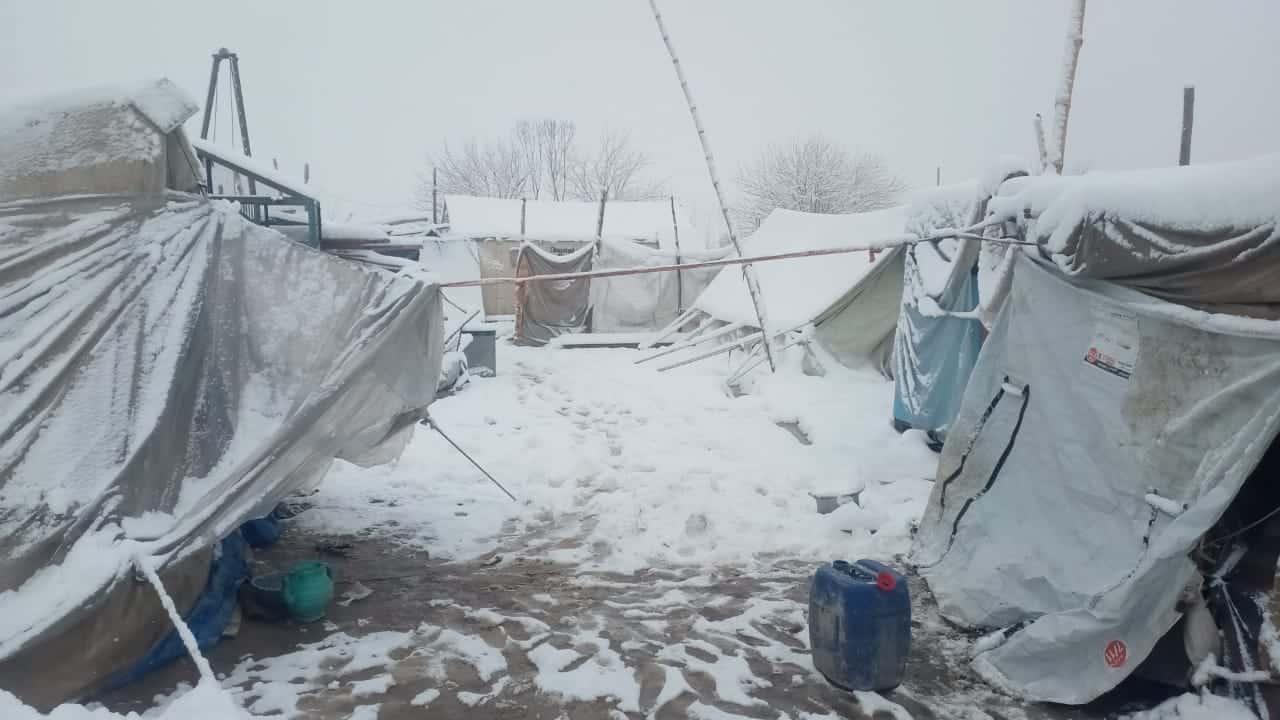
Severe winter storms in Afghanistan have killed at least 61 people and injured more than 110 after several days of snowfall and rain, according to Afghanistan’s disaster management authorities.
The storms have affected 15 provinces, leaving hundreds of people stranded as roads were blocked, and entire communities cut off from essential services.
Authorities report that the extreme weather has damaged or destroyed at least 458 homes and killed hundreds of livestock, further compounding the crisis for families already facing acute food insecurity, poverty, and the effects of ongoing aid cuts during the winter season. Many returnees from Iran and Pakistan are living in informal shelters, camps, or overcrowded conditions, and are among those most exposed to the impact of the storms.
Assess urgent humanitarian needs
The situation has been worsened by recurrent disasters, climate shocks, aid cuts, and a collapsing economy, leaving millions of people across the country living in poverty and highly vulnerable to extreme weather. The CARE teams are closely monitoring the situation and coordinating with local partners to assess urgent humanitarian needs, particularly in remote and hard-to-reach areas, where access remains constrained due to blocked roads and ongoing severe weather conditions.
“Our hearts and minds are with the families who have lost loved ones,” said Kristina Jovanovska, Deputy Country Director, CARE Afghanistan. “These snowstorms have added to the immense challenges already facing millions of people across Afghanistan. Communities have not yet recovered from last year’s devastating earthquake, and now severe winter weather has further deepened their hardship. Women and girls are bearing the disproportionate impact of these recurring disasters, facing heightened risks and vulnerabilities. With homes damaged or destroyed, families are struggling to stay warm and safe as temperatures remain dangerously low. Immediate assistance is critical to prevent further loss of life.”
CARE is exploring options to scale up emergency assistance as access allows, with a focus on winterization support, emergency shelter, and protection for the most vulnerable households. CARE is also engaging with humanitarian coordination mechanisms to support a timely and effective response.
[ENDS]
For media enquiries contact Marianne Murat on 0466 440 160 or marianne.murat@care.org.au
About CARE Afghanistan
CARE began working in Afghanistan in 1961. Today, CARE Afghanistan focuses on three core areas: women’s and girls’ empowerment, enhanced resilience, and humanitarian action. In 2025, CARE programs reached 1,259,317 Afghans, including 848,683 (67%) women and girls.
About CARE Australia
CARE Australia supports women around the globe to save lives, defeat poverty and achieve social justice. We work in partnership with local communities to provide equal opportunities for women that they have long been denied: the ability to earn an income, gain access to their fair share of resources, to lead and participate in decisions that affect their lives, and to be able to withstand the increasing impacts of climate disasters and other crises. www.care.org.au