When a crisis hits, women are the first to go without. And in humanitarian emergencies, the most basic health needs become urgent — with the people facing the greatest burden often being women and girls.
At CARE Australia, we work where need is greatest, including with the many women and girls whose specific needs are not being met when disaster strikes. When their homes, livelihoods and families are turned upside down by humanitarian emergencies, women and girls face increased risks to their health. And as they provide for families, rebuild communities and protect the vulnerable around them, their own health and safety is often sidelined.
Donate now to support our lifesaving work delivering healthcare, protection and support to women and girls who are living through some of the world’s toughest humanitarian emergencies.
So let’s break down the realities of women’s health in humanitarian emergencies, specific risks to maternal health in crisis settings, and solutions that empower women to not just survive but recover, rebuild and thrive.
Table of Contents
-Why Women’s Health Matters in Emergency Settings
-Maternal Health in Crisis Settings
-Broader Women’s Health Challenges in Humanitarian Crises
-Access to Sexual and Reproductive Health Services
-Menstrual Health, Hygiene, and Safety Concerns
-Increased Risks of Gender-Based Violence
-Solutions That Support Women’s Health in Emergencies
-Community-Led Health Services
-Mobile Clinics and Emergency Health Kits
-Empowering Local Midwives and Health Workers
-How CARE Australia Supports Women’s Health in Crisis Settings
-Donate to Support Women’s Health Emergencies
-Creating a Future Where All Women Have Access to Safe Healthcare
Why Women’s Health Matters in Emergency Settings
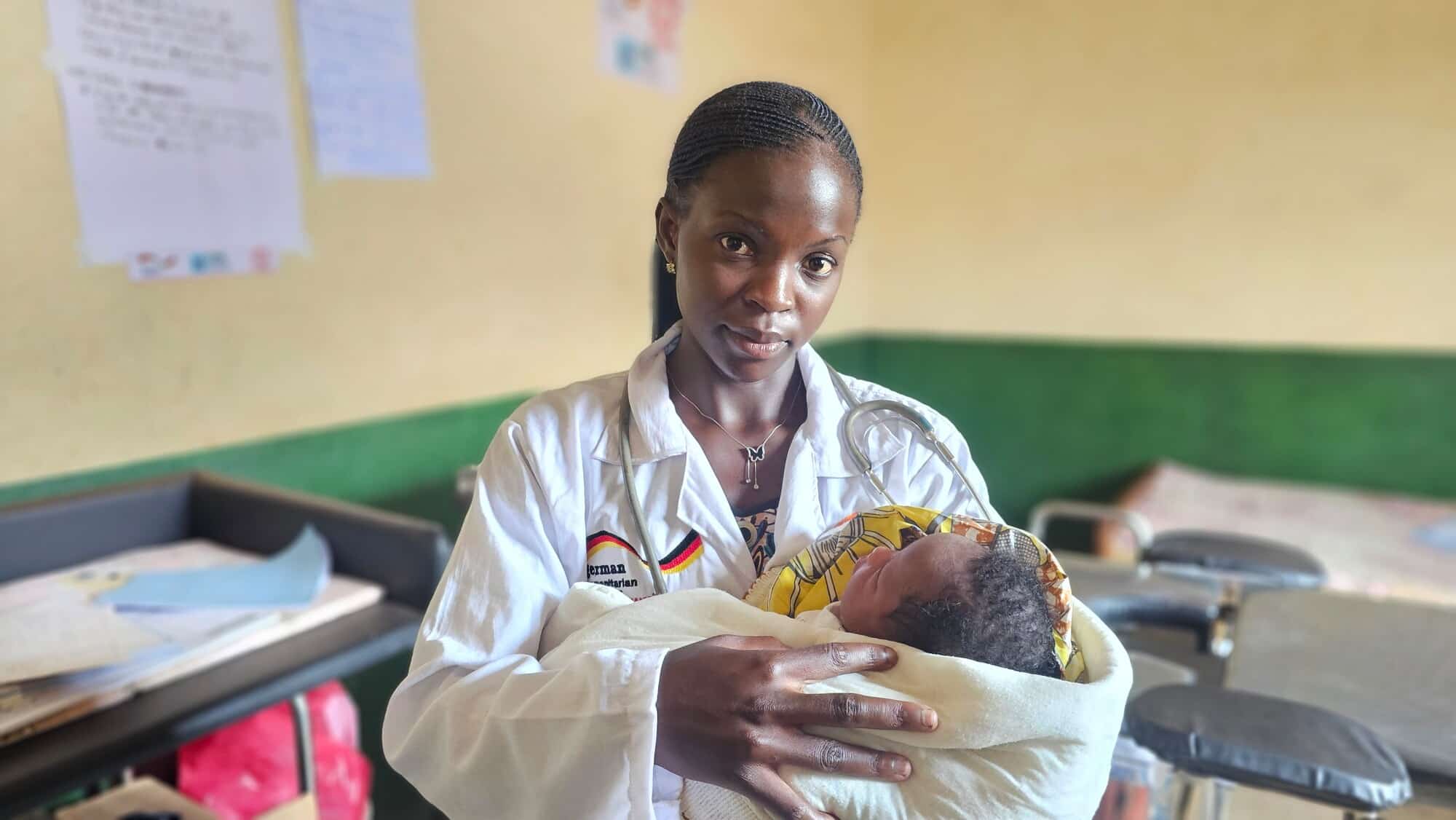
In the aftermath of a crisis, women’s health is an invisible priority. Violence and disasters (whether man-made, like conflict, or natural, such as hurricanes and wildfires) can have long-term consequences on women’s well-being. From untreated chronic illness to complications during pregnancy, women’s health emergencies can rapidly become life-threatening, not only for women but for families and communities too. Access to care is not a matter of convenience, but one of life and dignity.
Access to care is not equal for women and girls. Gendered barriers prevent women from seeking healthcare and from receiving appropriate care.
Discrimination in healthcare services also means women may not receive appropriate and timely care when they are able to access it. These issues exacerbate the risks in an emergency setting and highlight the need for women’s care that is both timely and appropriate.
Education is key. Knowledge about women’s health, reproductive rights and health services can mean that women and girls are empowered to make decisions about their health and the health of their families. In the face of an emergency, when women and girls are educated and equipped to understand their own healthcare needs and rights, they will be better able to seek out the support they need. Education also allows women to contribute to their communities, build resilience and break the cycle of poverty and crisis.
Maternal Health in Crisis Settings
Birth is always a special but vulnerable time, but when compounded by humanitarian crises, it can be deadly. Pregnant women in war zones, disaster areas, or refugee camps are particularly at risk. They face everything from labour complications to malnutrition or undiagnosed infections. For them, every day is a race to access healthcare, add to their babies’ chances for survival, and plan for what should be the most hopeful time of their lives.
It’s no surprise that access to prenatal, birth, and postnatal care are not always guaranteed. Clinics and hospitals can be targeted or destroyed in crisis zones, while medical supplies are limited and trained staff is in short supply. Pregnant women in these areas may not be able to access even basic services like antenatal checkups or support for safe delivery, and many don’t receive any care after childbirth. These gaps can result in preventable complications with long-term health and family well-being implications for both mother and child.
For women and girls who are displaced from their homes by crisis, the challenges of birth are even greater. They may have to navigate shelter systems that are overcrowded, with limited privacy or security. Getting to health facilities can be a struggle every day, as services are scarce, staff are overworked, and individuals are already in survival mode. When they’re also expecting a new baby, the conditions of displacement make it harder to avoid complications and provide mothers with the ability to safely give birth.
While these challenges can seem overwhelming, women leaders are at the frontlines of relief efforts during humanitarian crises. In many settings, the local midwife, community health workers, and volunteers are playing critical roles to provide women with care, counsel, and comfort when the systems that are supposed to support them fail. As health leaders, these women are saving lives, not only through service provision but by advocating for the health needs of women and girls in their communities.
Broader Women’s Health Challenges in Humanitarian Crises
Women are uniquely affected during humanitarian emergencies. When working to help women, children and the most vulnerable, it’s important to ensure that CARE addresses needs beyond medical treatment. Safety, dignity, and access to basic services are key issues in humanitarian settings.
Finding clean water, sanitation, and privacy can become daily challenges. Inequality and discrimination tend to increase during emergencies, often leaving women and girls especially vulnerable. Understanding the broader needs and challenges of those most at risk is the first step to providing appropriate care.
Here are three key challenges affecting women’s health in humanitarian crises:
Access to Sexual and Reproductive Health Services
In addition to pregnancy and childbirth, humanitarian crises can make it difficult to access other sexual and reproductive health services. Women and girls can experience limited or no access to contraception, family planning, and treatment for infections. In these situations, people are unable to exercise control over their own bodies or make healthy decisions.
Young people and women face the highest risk, with fewer opportunities for education or the resources needed to make informed choices. Improving these services ensures women and girls are able to protect their health, uphold their rights, and maintain their agency even in the most challenging situations.
Menstrual Health, Hygiene, and Safety Concerns
Something as simple as getting through the day when menstruating can be a struggle for women and girls in crisis situations. A lack of menstrual products, clean water, and private sanitation facilities can make menstrual hygiene management a challenge with serious health implications like infections and long-term reproductive health problems.
A menstrual health crisis also has implications for personal dignity and mobility. Girls may miss school, and women may avoid public spaces, leading to further isolation. Supporting menstrual health is a key part of ensuring the safety, comfort, and equality of women in humanitarian emergencies.
Increased Risks of Gender-Based Violence
Gender-based violence, including domestic violence, sexual assault, and exploitation, is a significant risk for women in humanitarian settings. The chaos of displacement, crowded living conditions in temporary shelters, and breakdowns in social networks can leave women and girls particularly vulnerable, and limited access to protective services or legal recourse can leave them with few options for recourse.
Along with immediate protection and safety, long-term programming to empower women and girls, build safe spaces, and address social norms that perpetuate violence is key to addressing this issue.
Solutions That Support Women’s Health in Emergencies
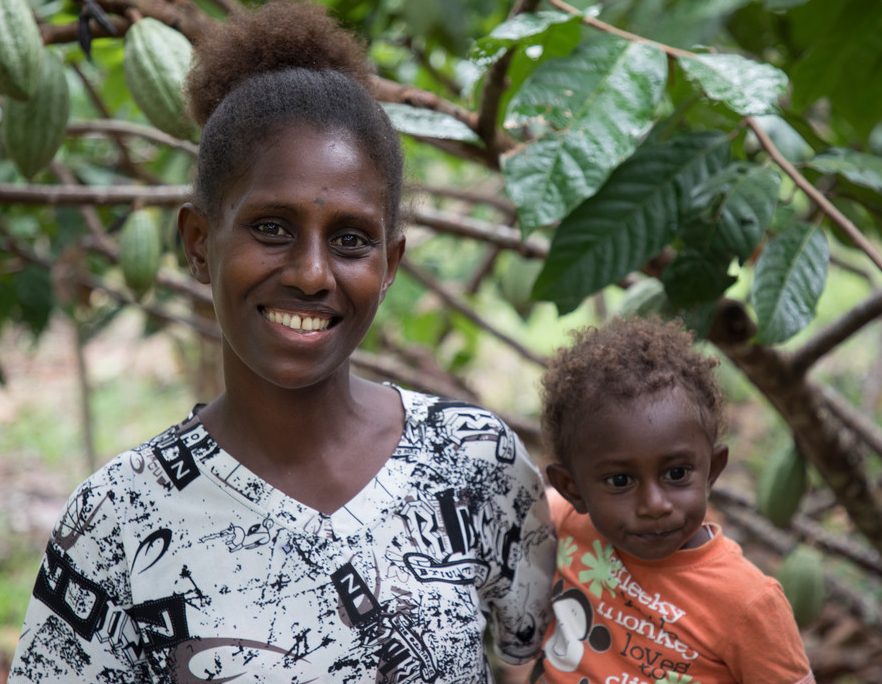
Stories from the frontlines of crises reveal how health services can improve women’s lives. During disasters and conflicts, by working together, communities and responders can combine lifesaving support with a person-centred approach to empower women and girls to regain their health and live with dignity.
From mobile health services reaching hard-to-access areas to initiatives that put women at the centre of care, these solutions show what’s possible when communities and responders work together.
Community-Led Health Services
Community-led health services ensure women and community leaders are at the centre of emergency response and recovery, driving programmes designed to meet their specific needs. They go further than community clinics by bringing care and trusted health support directly to neighbourhoods, temporary shelters, and refugee camps. While providing urgent medical care, they also address food and water access, hygiene, mental health support, and health education.
Locally based women are trained to identify risks and know how to direct their neighbours to services and where to advocate for resources. In this way, community-led health services make care culturally sensitive and trusted. They can save lives and create resilience by empowering local communities to take the lead, and give women and girls a stronger foundation to recover and thrive in crisis.
Mobile Clinics and Emergency Health Kits
Mobile clinics and emergency health kits offer medical assistance directly to women and girls who might otherwise be overlooked. Mobile clinics, equipped to travel to remote or otherwise inaccessible areas, ensure women receive prenatal checkups, vaccinations and general health care where they are needed.
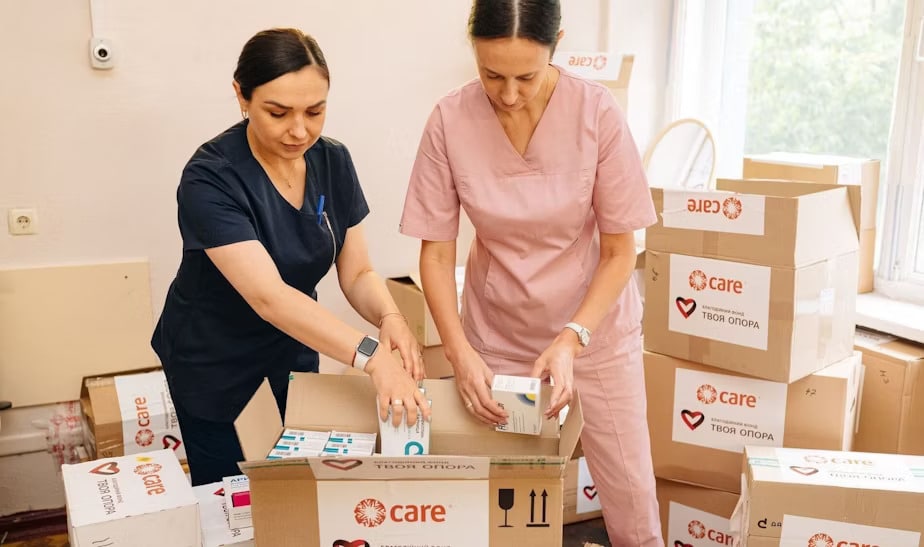
Emergency health kits, meanwhile, offer medical supplies like medicines, hygiene products and essential medical equipment. These kits and mobile health services work to make certain that even in the most challenging or disrupted environments, women and girls have access to the care they need to stay healthy.
By bringing services to the most vulnerable, these interventions help ensure continuity of care, reduce preventable disease and provide women and girls with the security they need to move forward in times of uncertainty.
Empowering Local Midwives and Health Workers
Local midwives and health workers are on the frontlines of efforts to keep women and girls safe in humanitarian settings. These workers are often from the communities they serve, and provide trusted care and support before, during and after pregnancy and childbirth. In addition to offering prenatal and reproductive health information and support, they are also often the first to respond to emergencies with medical or health services.
Investing in the education of local midwives and health workers ensures communities have strong, knowledgeable caregivers when they need them most, and can make long-term gains in community health systems by building capacity from within. Supporting midwives and other health workers is a practical and sustainable approach that saves lives and strengthens local systems while also nurturing and supporting leadership from women in the communities that need them most.
How CARE Australia Supports Women’s Health in Crisis Settings
Providing care and support for women and girls is a key focus for CARE Australia. In disaster-affected communities, one of the ways CARE helps women and girls is through maternal health programs. These programs ensure women receive prenatal check-ups, support during safe childbirth, and postnatal care. Maternal health programs bring healthcare professionals and resources to women in need, ensuring they have access to the information, medical assistance and support they require to keep themselves and their children healthy.
CARE Australia also provides safe spaces for women and girls to access important resources, connect with their communities and receive protection from violence. These safe spaces are a vital source of support, allowing women and girls to escape the daily threats and dangers they may face. Within these spaces, women and girls can access services such as education and counselling, as well as receive support and care in a protected environment.
For women and girls, CARE Australia’s support can provide life-saving access to important opportunities. By supporting women and girls to escape unsafe conflict or displacement situations, CARE can help them find the means to access education, employment and community programs. This can provide women and girls with the tools they need to change their lives.
CARE Australia ensures your donation supports the most relevant programs. Donations can support programs in the Pacific Islands, Ethiopia, Turkey, Ukraine, Pakistan and Southeast Asia, making sure women and girls in these communities have access to healthcare, protection and the resources they need to rebuild their lives and strengthen their communities.
Donate to Support Women’s Health Emergencies
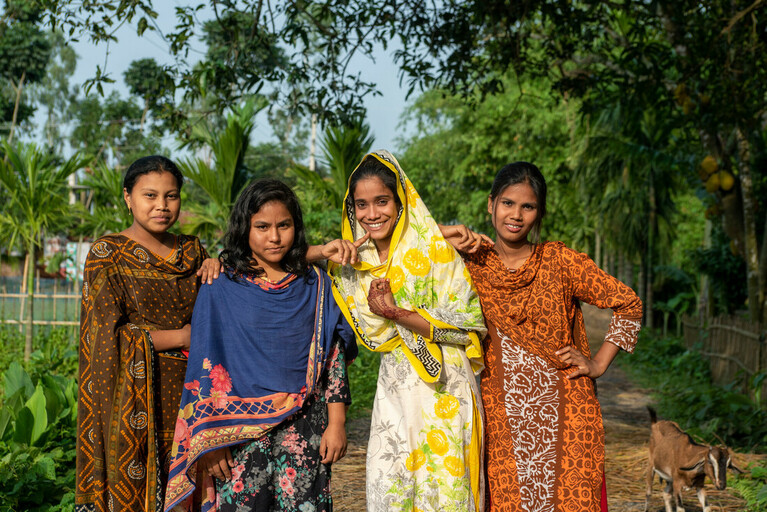
You have the power to change the lives of women and girls experiencing a health emergency. Your donation to help women in emergencies will provide life-saving medical care, essential supplies, and protection to women and girls who need it most.
If you’d like to give more than once, you can help raise funds or partner with CARE Australia through regular donations to help fund ongoing programs that support women and children long after the crisis has left the news.
Advocacy is another avenue you can take to support maternal health in humanitarian crises, bringing attention to the needs of women in crisis and motivating communities and governments to act for those in greatest need.
If you’re looking for a more tangible gift, you can choose CAREgifts that provide practical resources, such as hygiene kits, emergency food, or medical supplies, to women and girls in humanitarian crises.
Whether you give your time, advocacy, or money, your support is helping to ensure a safer, healthier future for women and girls living through humanitarian crises.
Creating a Future Where All Women Have Access to Safe Healthcare
Every woman has a right to safe, dignified healthcare. Wherever they live, whatever crisis they face. This includes a focus on maternal health, protection and community-led care. When you support programs that prioritise these areas, you’re investing in change and empowering women and girls to thrive.
There are lots of ways to give that make a real difference to women and girls in humanitarian crises. From lifesaving medical care and essential supplies, to the support women need to stay healthy and safe when emergencies hit. By making a donation today, you can help women and girls receive the care they need to survive and live with dignity. Join us to help create a world where no woman or girl is left behind when emergencies strike.
Get in touch to find out more about how you can help, support CARE Australia’s work and make a difference for women and children affected by crises.