Across Ukraine, the conflict has claimed more than 13,000 lives and displaced over 4 million people inside the country.
Between February 2022 and early 2025, nearly 7 million people fled to neighbouring countries such as Poland, Romania, and Moldova.
The war has pushed an entire generation of Ukrainian women backwards: they are facing heightened exposure to gender-based violence; rising unemployment; reduced influence in decision-making; greater domestic burdens; and, a severe mental health crisis.
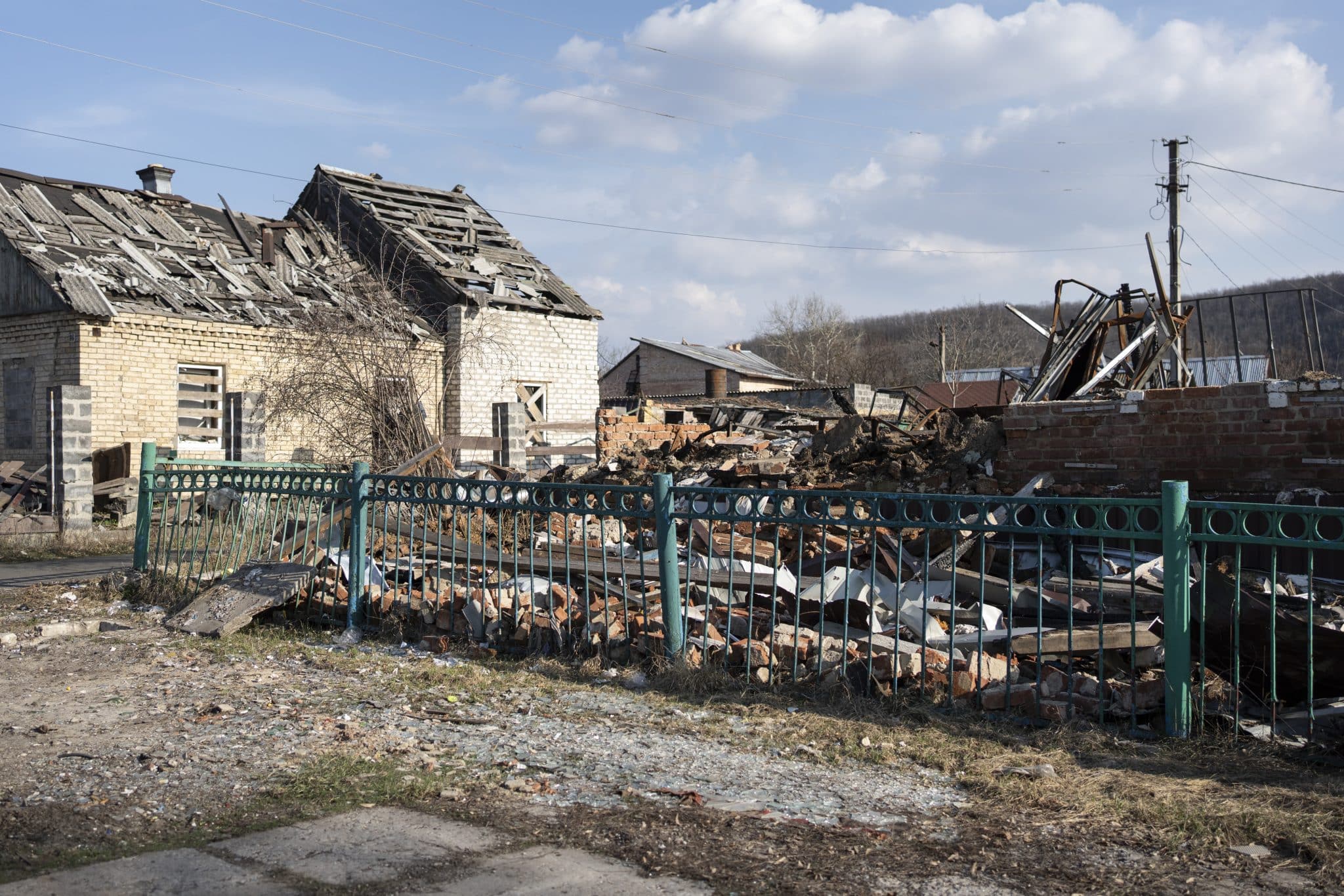
Tetiana is from eastern Ukraine. She worked at the local coal-based fuel plant. The invasion in February 2022 caused severe damage there and in other parts of the country.

“February 2022 split our lives into ‘before’ and ‘after,’” says Tetiana.
“At first, we couldn’t believe what was happening. We were used to shelling, but when we had to leave our home, that’s when the pain became real.”
Tetiana now lives in a former children’s recreational centre surrounded by forest in the Dnipropetrovsk region. The centre serves as a shelter, providing housing for 300 displaced people. She shares a small room with her mother and younger sister.
“The hardest thing was losing our home — a place of comfort, love, and belonging,” she says.
“Before the war, life was normal — with schools, markets, healthcare, and jobs. Now, it’s all gone.”
Tetiana is finding ways to heal and rebuild her life. She receives health support and protection services from CARE and a local partner Avalyst at the shelter.
“From the very first meeting, they made us feel heard and included,” says Tetiana.
“We joined group sessions and creative workshops to talk, create, and reconnect with others.”
Tetiana also found part-time work. “It’s not easy, but it helps me meet some of my needs. Most
importantly, I feel stronger and more confident.”
“I’m no longer just surviving — I’m living again.”
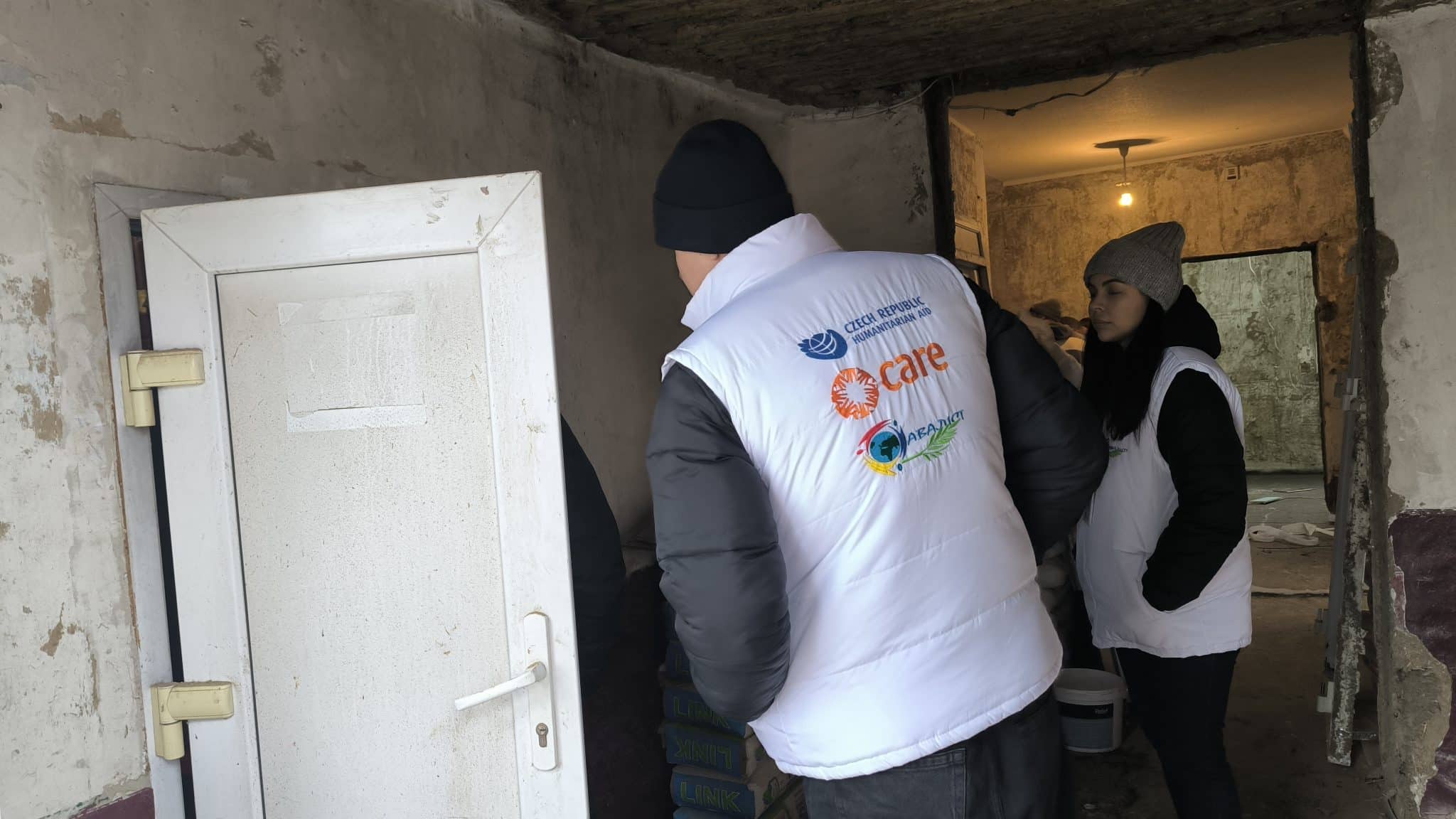
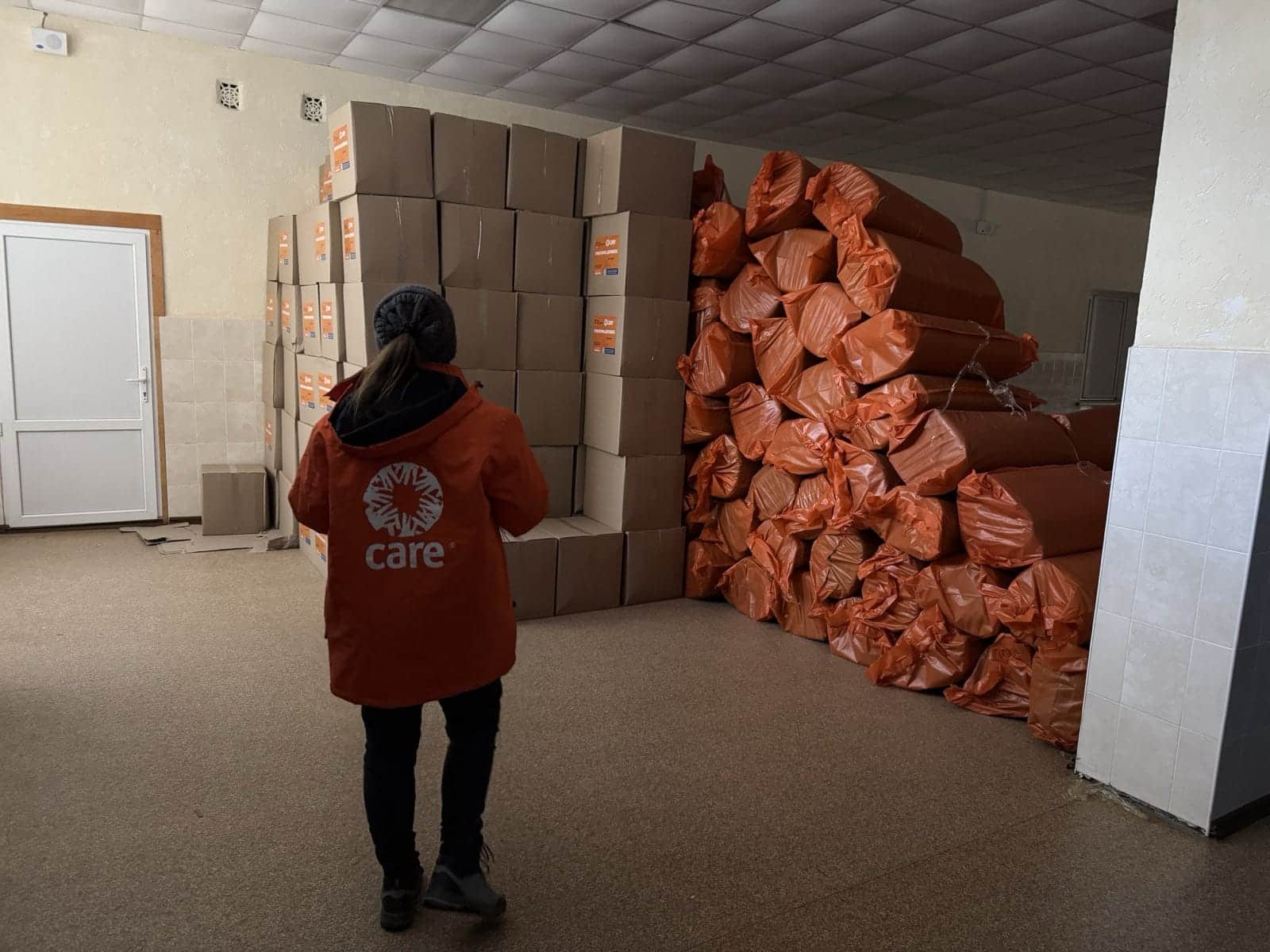
CARE and our partners are responding to the crisis in Ukraine and regionally across Poland, Romania and Moldova to address the most pressing humanitarian needs. Initially focused on housing and basic needs for displaced persons, CARE is now increasingly providing psychological support, addressing gender-based and conflict-related violence, housing rehabilitation, and supporting women’s leadership.
Want to contribute? Donate to CARE Australia today, or find more ways to give and support our humanitarians worldwide.