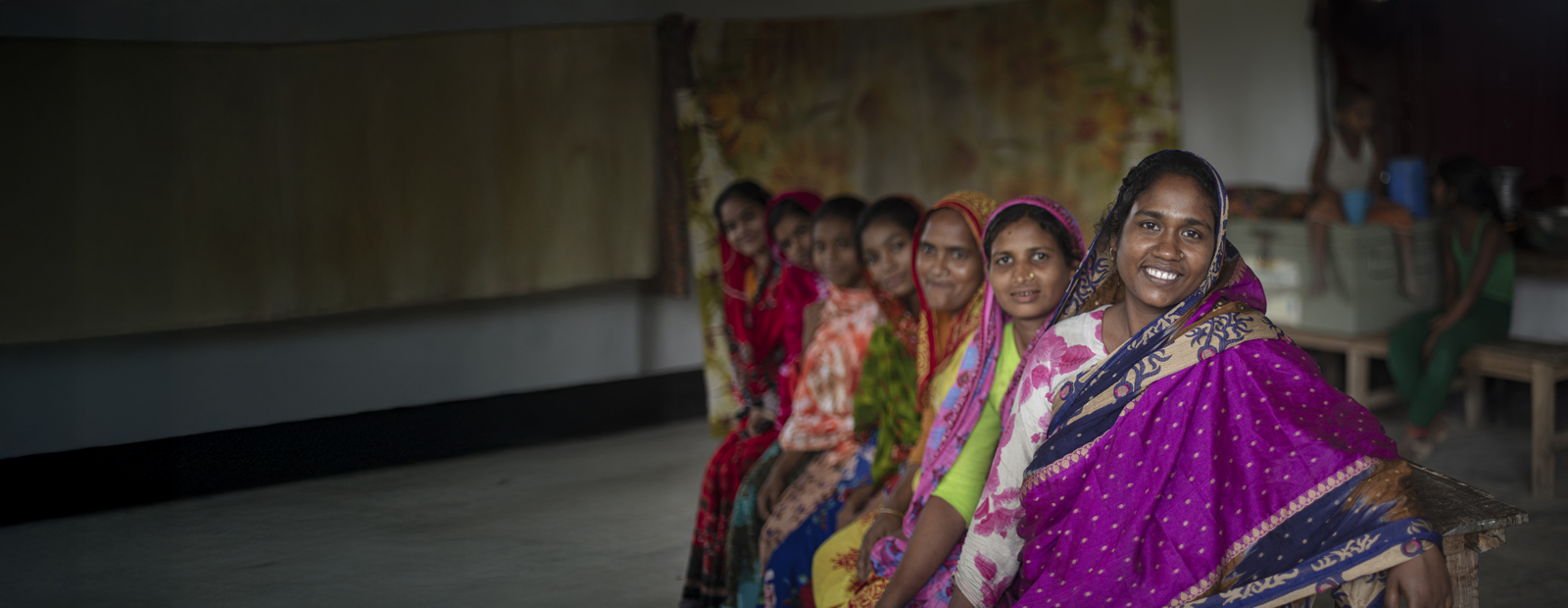
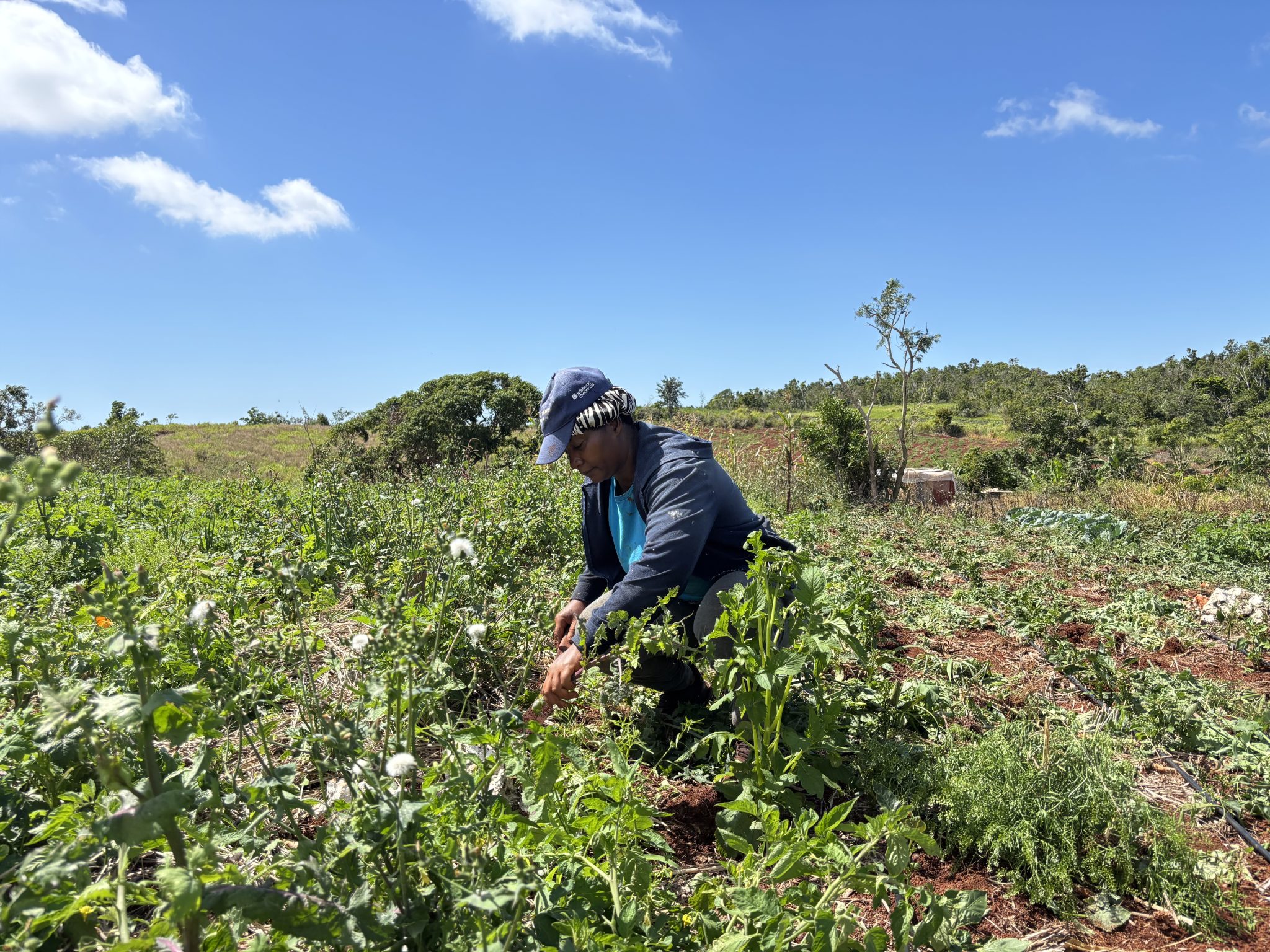
Climate change isn’t just about skyrocketing temperatures. In communities all over the globe, families experience the reality of our changing climate every day. Plants wither without rain. Animals die in floods that arrive before a village can repair its leaking riverbanks.
The routines that make up day-to-day life (cooking, washing clothes, bathing children) slowly begin to collapse. For parents, this often means facing the impossible choice of how to stretch dwindling supplies of food and water to keep their children healthy and hopeful.
Climate change is already a humanitarian issue for many of the communities CARE Australia supports. Farmers are unable to predict when rain will come. Families are forced to suffer the increasing pangs of hunger because of weather events they never predicted or could prepare for. Climate change is harsher on those who have less, hitting marginalised communities the hardest and exacerbating existing inequalities.
This is where you come in. Take action today and help CARE Australia respond to climate disasters, build stronger and more resilient local food systems, and work with communities to adapt to climate change.
Donate today to support families to protect their sustenance sources and ensure reliable access to food and water which allows them to prosper beyond mere survival.
If you’ve wondered why climate change has such a strong effect on food security (and why those effects are only intensifying), you’re not alone. Let’s break down how a changing climate is impacting the way we produce, access, and share food around the world – and what we can do about it.
Table of contents
Understanding the link between climate change and food security
- What is food security and why it matters
- How climate change is disrupting global food systems
How climate change threatens food availability and access
- Declining agricultural productivity
- The impact on smallholder farmers and rural communities
- Rising food prices and economic instability
Climate change and the growing reality of food deserts
- What are food deserts?
- How climate change contributes to food deserts
- Food deserts in vulnerable and marginalised communities
The human impact of climate change on food security
- Hunger, malnutrition, and health outcomes
- Climate change, displacement, and food insecurity
Building climate-resilient food systems
- Climate-smart agriculture and sustainable practices
- Strengthening local food systems
- The role of policy, investment, and global cooperation
CARE Australia’s role in addressing climate change and food security
- Supporting communities on the frontlines of climate change
- Advocacy and long-term solutions for food security
Addressing climate change to secure a hunger-free future
Understanding the link between climate change and food security
- What is food security and why it matters
Food security isn’t just about having enough food. True food security exists when all people have physical, social and economic access to sufficient, safe, nutritious food that meets their dietary needs and allows them to lead active, healthy lives.
Food security has four dimensions:
- Availability (food is physically present)
- Access (you can afford or otherwise obtain it)
- Utilisation (your body can use what you eat to lead a healthy life)
- and Stability (this access isn’t interrupted).
Hunger occurs when one or more of these supports break down. A family might live next to a fully stocked market but lack the money to buy food. A soup kitchen might provide a meal that gets rid of hunger pangs but doesn’t include the nutrients you need to stay healthy. And now climate change is increasingly threatening more than one dimension at once, which can turn an emergency into a chronic problem.
That’s why ensuring food security for all is our shared humanitarian goal. Food is the foundation for good health, growth in children, learning and a productive life. When food systems fail, everyone suffers.
- How climate change is disrupting global food systems
The impacts of climate-induced weather variability on food systems are already evident across different geographies. In East Africa, extended periods of drought punctuated by episodic heavy rainfall are leading to less predictable growing seasons. These changes affect planting schedules, water availability, and overwhelm transport and storage infrastructure critical for getting food from farms to local and regional markets.
Similarly, in South Asia, more severe monsoon seasons and higher temperatures are impacting rice yields and distribution networks. Increased flooding can destroy roads and markets, while higher temperatures raise levels of food spoilage and energy needed for proper storage and refrigeration. Though the disruptions to food systems may not stop harvests from occurring, they can impact how quickly food can reach those that need it.
Sea level rise and saltwater intrusion threaten freshwater supplies and agricultural production on small islands and coastal communities. In addition to contaminating drinking water and crops, tropical storms and cyclones can damage ports and disrupt shipping routes, increasing dependency on imported foods and leaving these communities vulnerable should transport be disrupted.
Food system disruptions in one region also have downstream effects on food systems elsewhere. As the food system becomes more globalised, climate impacts are creating unstable environments for food production around the world, contributing to volatility in food availability and food prices.
How climate change threatens food availability and access
- Declining agricultural productivity
Climate change affects agriculture by reducing its potential. Higher temperatures can lead to heat stress for crops and thereby reduce yields even in the absence of extreme weather events. Increases in droughts, floods and storms will mean that total crop failures will occur more regularly, transforming rare shocks into new normals. Overall, this increases the year-to-year variability in food production.
Climate change will also lead to degradation of the natural systems that underpin agricultural productivity in the longer-term. Soil fertility is being reduced by heavy rainfall events and a lack of organic material build-up during longer droughts. Combined with losses in biodiversity (such as plants and animals that pollinate crops), we are left with land that will be less capable of producing food in the future.
The impact on smallholder farmers and rural communities
Farmers often have a particularly large exposure to climate shocks. Their livelihoods depend on the weather, over which they have no control. Smallholder farmers in particular are vulnerable to changes in seasonality because many farm activities are rain-dependent. If rain arrives too early or too late, there may be crop failure.
Many small-scale farmers use traditional farming methods, refined over generations to work well in stable climate conditions. But these techniques may no longer provide resilience in an era of climatic shocks.
Food producers in poorer countries are also less likely to have irrigation systems, drought-resistant seeds, access to credit or insurance. They may not be able to buffer the effects of a shock, and bad weather will not only mean less food for selling in the market but can mean fewer resources for clothes, school fees, and healthcare.
- Rising food prices and economic instability
Climate change impacts feed through to national, regional and global food markets. Extreme weather events will affect food production and transportation, leading to rising food prices and inflation. Many of these effects can be felt in areas far away from the shocks themselves.
Higher food prices affect the ability of consumers to access healthy diets. The first change is often seen in the variety of food people are able to afford, with poorer households forced to switch to cheaper, less nutritious foods. As the cost of nutritious food increases, so too does the risk of malnutrition when calories are available but do not contain the required nutrients.
Climate change and the growing reality of food deserts
- What are food deserts?
Food deserts are geographic areas where residents do not have access to healthy food. Although distance to the nearest supermarket matters, what matters more is whether healthy food is available on a regular basis, whether it is physically accessible, and whether or not it is affordable on a regular basis. Food deserts have been reported in both urban areas and rural areas. In developing countries food insecurity is measured by the quantity of food consumed on a regular basis or not having enough money to purchase food.
Residents in a food desert may have only a corner market that stocks few if any fresh produce items, they may live so far from the nearest market that travelling to and from it is costly or time-consuming, or they may suffer periodic disruptions in their food supply that make it difficult for them to maintain a healthy diet.
- How climate change contributes to food deserts
Climate Change is one of the reasons for the spread of food deserts. When floods or storms damage crops, transportation infrastructure or electricity networks they disrupt supply chains that feed local populations. Markets may not receive food, or already delivered food may rot due to power outages.
Climate change also squeezes food production at home. Rising temperatures caused by climate change have reduced agricultural yields and lengthened growing seasons in many regions, making it harder for small producers to grow fresh food for their communities. Without local food production, communities become dependent on supply chains that are vulnerable to disruptions caused by climate impacts thousands of miles away.
Infrastructure for storing and transporting food is often damaged during extreme weather events and has low priority for repair and reconstruction. As infrastructure becomes scarce, food desert areas may arise or chronic problems may develop. So the immediate impact of a storm can contribute to medium and long-term food security problems.
Food deserts in vulnerable and marginalised communities
Climate change exacerbates food deserts which more commonly impact vulnerable populations. Low-income families may not have the means to pay rising food prices or transportation costs to reach healthier food options. These families also lack the political voice necessary to demand change.
As the climate changes and food becomes less secure for everyone, marginalised populations will face the brunt of the negative impacts first and will be the last to receive aid and improvement to the situation.
Food deserts and climate change have become issues of gender inequality. In many countries women are the primary caregivers and food preparers yet have less access to funds, land and resources.
The human impact of climate change on food security
- Hunger, malnutrition, and health outcomes
For many families living in areas with unpredictable rain, frequent droughts/floods, or regular heat waves, getting enough healthy food to eat can be a challenge. Hunger often exists alongside malnutrition, especially when kids and mothers don’t get enough vitamins and minerals. Children who face malnutrition over long periods can experience stunted growth, have difficulty learning, and suffer from poor health that can hinder their productivity as adults.
Many micronutrient deficiencies and cases of stunting are present in East Africa as countries like Ethiopia and Somalia face years-long droughts. Not only does this make it difficult for families to find enough food to eat, but limited, often starch-heavy household diets can make families more prone to sickness and weak immune systems.
Families living in poverty with limited or no access to healthcare are trapped in a cycle where hunger can make them sick, and being sick can cause them to lose the means to support themselves through jobs or farming.
- Climate change, displacement, and food insecurity
Climate change doesn’t just damage crops, it’s forcing more people to relocate. Changing temperatures are causing sea levels to rise and increasing rainfall totals and the severity of tropical storms.
These effects are driving climate migration across South Asia and Southeast Asia. In Bangladesh, thousands of people have been displaced by floods as rising sea levels inundate low-lying areas. Families who have lived in these coastal areas for generations now find themselves relocated to densely populated cities where affordable, nutritious food is low.
Pacific island countries face similar challenges with sea level rise, with some island nations watching years of farming erosion. Not only does this create more migrants, but crops can no longer be grown locally. Families who have lived on their island for generations are forced to depend on imported food that is often expensive and less nutrient-dense.
Many of these families move to large cities where there are abundant humanitarian services but limited affordable food options. Women are disproportionately affected by these climate crises. Women, who already carry more responsibility for caring for children and being the primary food preparer in the household, tend to have less access to income, land, and social protection. As such, when a weather crisis strikes, women and girls are more likely to face food insecurity and lose their ability to support their families.
Building climate-resilient food systems
- Climate-smart agriculture and sustainable practices
Farmers play a huge role in making communities more resilient to climate shocks. Climate-smart agriculture invites growers to plant diverse crops, rotate their harvests, and prepare for erratic weather. Farmers in Papua New Guinea have recently started using drought-tolerant crops. These plants can survive dry seasons without damaging the overall yield. The practice allows families to rely on their crops for both food and income.
Growers should also look into water conservation methods that don’t decrease yield. Something as small as using water-efficient growing methods can protect our planet while keeping your gardens full. Partner with your community to find farming techniques that work alongside your knowledge — not against it.
- Strengthening local food systems
We can also help farmers and producers become more resilient by supporting small growth at the local level. If families know how to grow their own food and have the tools and resources to succeed, they can produce more and sell their extra crops at market. Community-led programs that revolve around planting seeds help families learn together how to cultivate land and work together to provide for their families in Timor-Leste.
When more food is grown locally and distributed within a community, families have better access to fresh food and are less likely to live in food deserts. Local food systems have come under attack during the pandemic, and climate change will continue this trend. By supporting local growers, we keep our families one step ahead of another global disturbance to our food supply.
The role of policy, investment, and global cooperation
Of course, citizens can only do so much on their own. Strong policies, investments, and global support for climate initiatives are what will protect our food supply in the long term. Governmental programs should focus on creating climate-smart agriculture programs, investing in rural community growth, and incentivising sustainable food production.
International aid and nonprofits can support these programs with funding, resources, and global coordination. One of the best ways to create this system of support? Educating women and girls. Not only does education help alleviate poverty, but when girls learn to read and access information, they can make better choices for their families. Ensure that women have access to education, resources, and know their worth. When women are empowered to make changes to their community, they can help those around them with food security, climate risks, and climate adaptation.
CARE Australia’s role in addressing climate change and food security
- Supporting communities on the frontlines of climate change
Our work starts with communities living with the reality of climate change now. Families living in drought-prone areas, places with extreme weather events, or along our coastlines watch and learn from a changing climate. They are innovators and adapters, not helpless victims. CARE Australia partners with communities to implement locally-led solutions that help families build more nutritious, stable food systems, safeguard water supplies, and protect their livelihoods.
Communities build solutions to keep food on the table. From community seed banks in villages around the world to locally-run water and sanitation initiatives, people living with the brunt of climate impacts are coming up with solutions to adapt to increasingly severe climate shocks.
Humanitarians are learning how to build climate change adaptations into our work, too. We look to local community initiatives to inform the way we provide aid and assistance to prepare for and prevent climate disasters from intensifying humanitarian crises. Integrating local knowledge with CARE’s global expertise, we build programs designed to last — flexible, responsive systems that support the people who need them most.
- Advocacy and long-term solutions for food security
Here in Australia, CARE advocates for policies and practices that work to tackle the root causes of food insecurity and build climate resilience. We stand in solidarity with communities on the frontline of climate change and advocate for climate justice to be central to decision-making at a government and global corporate level. There are new tools being developed like climate court frameworks, that the community can use to hold governments and organisations accountable for the climate crisis and turn injustice into solutions.
To ensure that no one is left behind, we work towards ending poverty, reducing inequalities, and promoting sustainable food systems in line with the UN Sustainable Development Goals. Because when given the opportunity, people will astound you with what they can achieve.
Addressing climate change to secure a hunger-free future
Higher temperatures, variable weather and extreme weather events are driving hunger increases, especially among people who already struggle to get enough food. Climate change isn’t just about the environment. It’s about people — and our responsibility to care for one another. When we see how a changing climate affects food security, we can better understand our role in the problem and in solutions that empower communities to adapt.
Get involved today through a monthly donation, explore ways to give, or contact us to learn more.