In Yemen, an estimated 17 million people continue to face severe water shortages, struggling to meet basic daily needs such as drinking, bathing, and cooking.
This crisis has led to the widespread prevalence of waterborne diseases, including cholera and typhoid.
The situation is further exacerbated by the prolonged conflict, which has devastated water and sanitation infrastructure, coupled with environmental challenges such as climate change and prolonged droughts.
In this context, sustainable solutions like rainwater harvesting have become essential to address the critical water shortages faced by communities.
Sabah, a 38-year-old mother, lives with her husband and children in a rocky, mountainous area in Taiz, where access to water has always been a significant challenge.
Sabah recounts, describing the daily struggle she endured to secure water for her family:
We cannot afford to buy water, and the rugged terrain makes it impossible for water trucks to reach us. My husband works as a daily wage labourer with an unstable income, making it even harder to meet our basic needs. I once tried building a small wall on the edge of a rocky hill to collect rainwater, but the amount was minimal and insufficient. Our only option was to fetch water from distant wells.
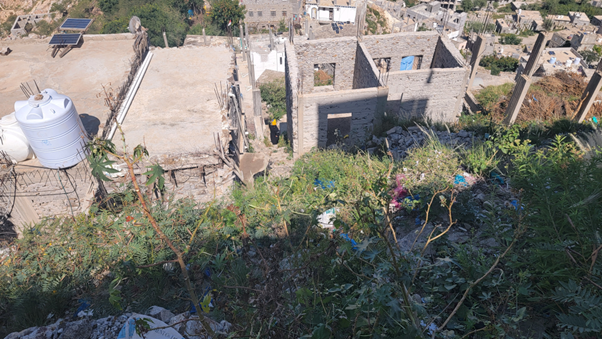
During the summer months, Sabah would wake up at 4 am and walk to the plastic tanks fed by a nearby spring.
She would wait in long queues to fill 10-liter jerry cans, repeating this process six times a day to collect enough water for her family’s needs.
In the winter, the situation worsened as water sources dried up, forcing her to travel to a distant well. The journey took two hours each way, with additional hours spent waiting in crowded lines to fill her containers.
Carrying heavy jerry cans over rough terrain caused me constant joint pain.
Alfat, a 24-year-old mother of three, lives with her family in Al-Mahsub, the highest mountainous area in the Sihn area of Taiz. Her family’s daily struggles reflect the harsh realities faced by countless Yemeni families amid the ongoing crisis.
We live in an extremely remote area, cut off from basic services. We lack the resources to collect water, and purchasing it is beyond our means. The terrain makes access to our village nearly impossible, and my husband’s income as a daily wage laborer is barely enough to sustain us. Our financial situation is dire.
To alleviate these burdens, improve access to clean water, and promote public health, CARE, implemented the Rainwater Harvesting Project in the Sihn and Wadi al-Tabadud areas of Taiz.
The project benefited 116 families, including 41 in Sihn and 75 in Wadi al-Tabadud.
It involved the construction of concrete bases and the installation of 5,000-litre plastic tanks near homes. A piping network was also established to harvest rainwater from rooftops, and filters were installed to ensure the water’s cleanliness.
Additionally, chlorine tablets were distributed to further safeguard the water quality.
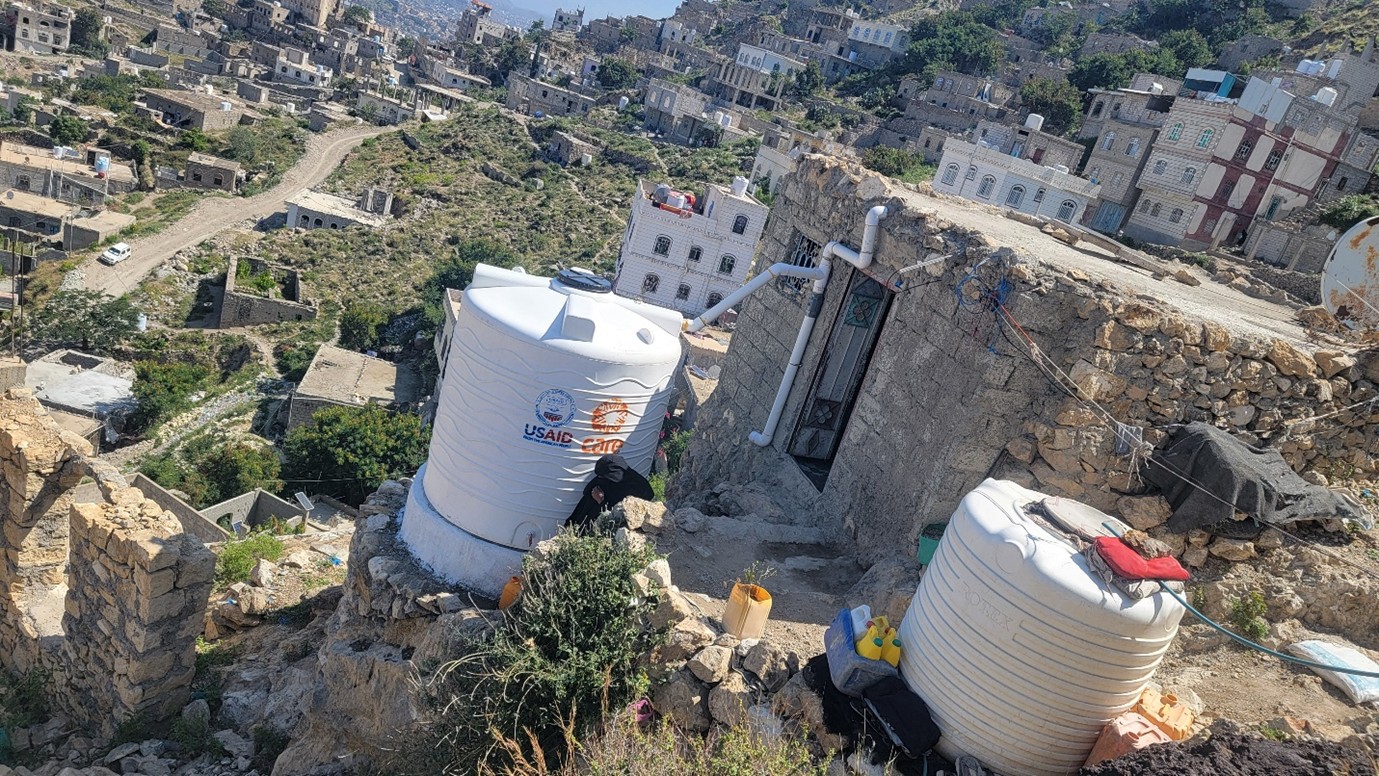
The project aims to reduce reliance on threatened traditional water sources, improve access to clean and safe water, and ease the daily burdens on families.
By doing so, it also mitigates health risks associated with water scarcity and enhances the community’s resilience to harsh environmental conditions.
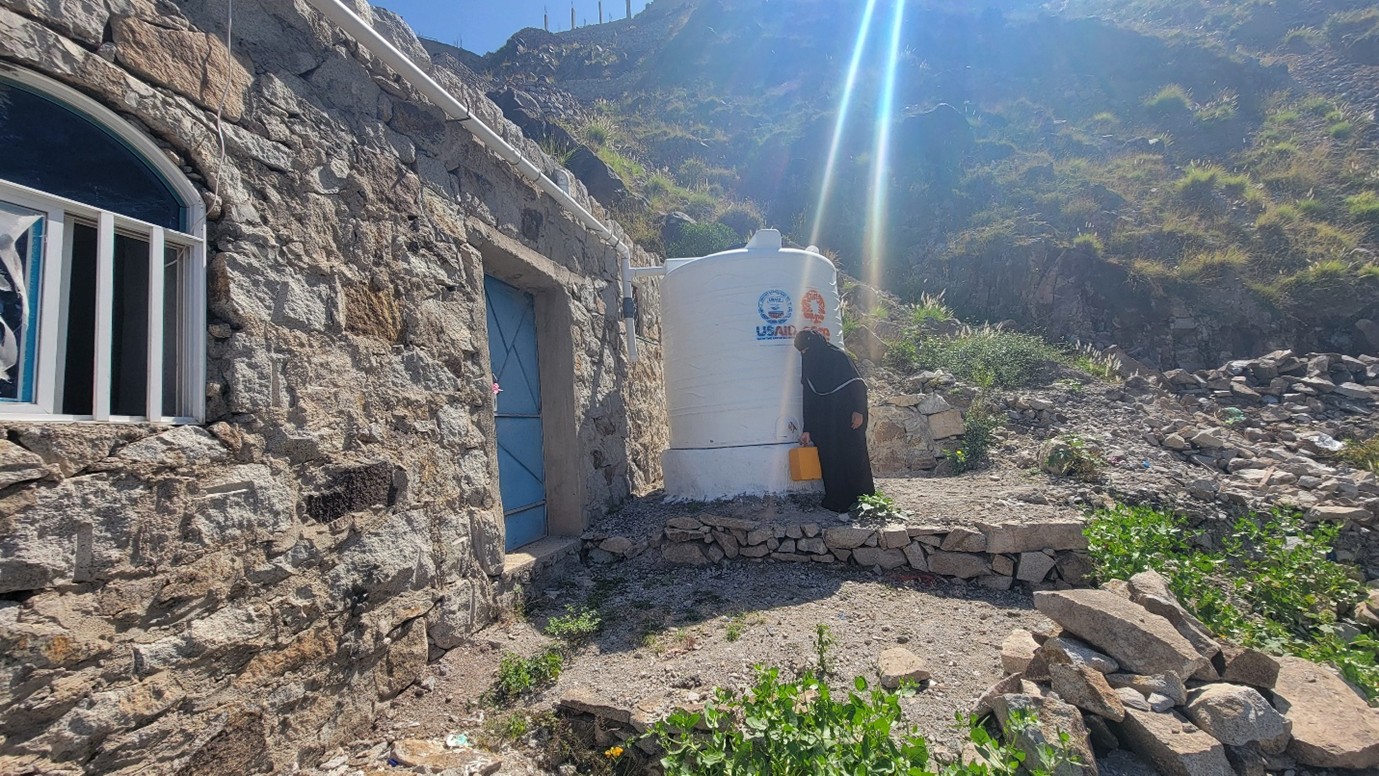
“I never imagined the day would come when I would have a water tank near my home,” says Sabah with gratitude.
When the project began and the tank was installed, I was overwhelmed with joy. This project has truly transformed our lives. I can now spend more time with my family instead of spending hours fetching water.
Want to contribute? Donate to CARE Australia today, or find more ways to give and support our humanitarians worldwide.