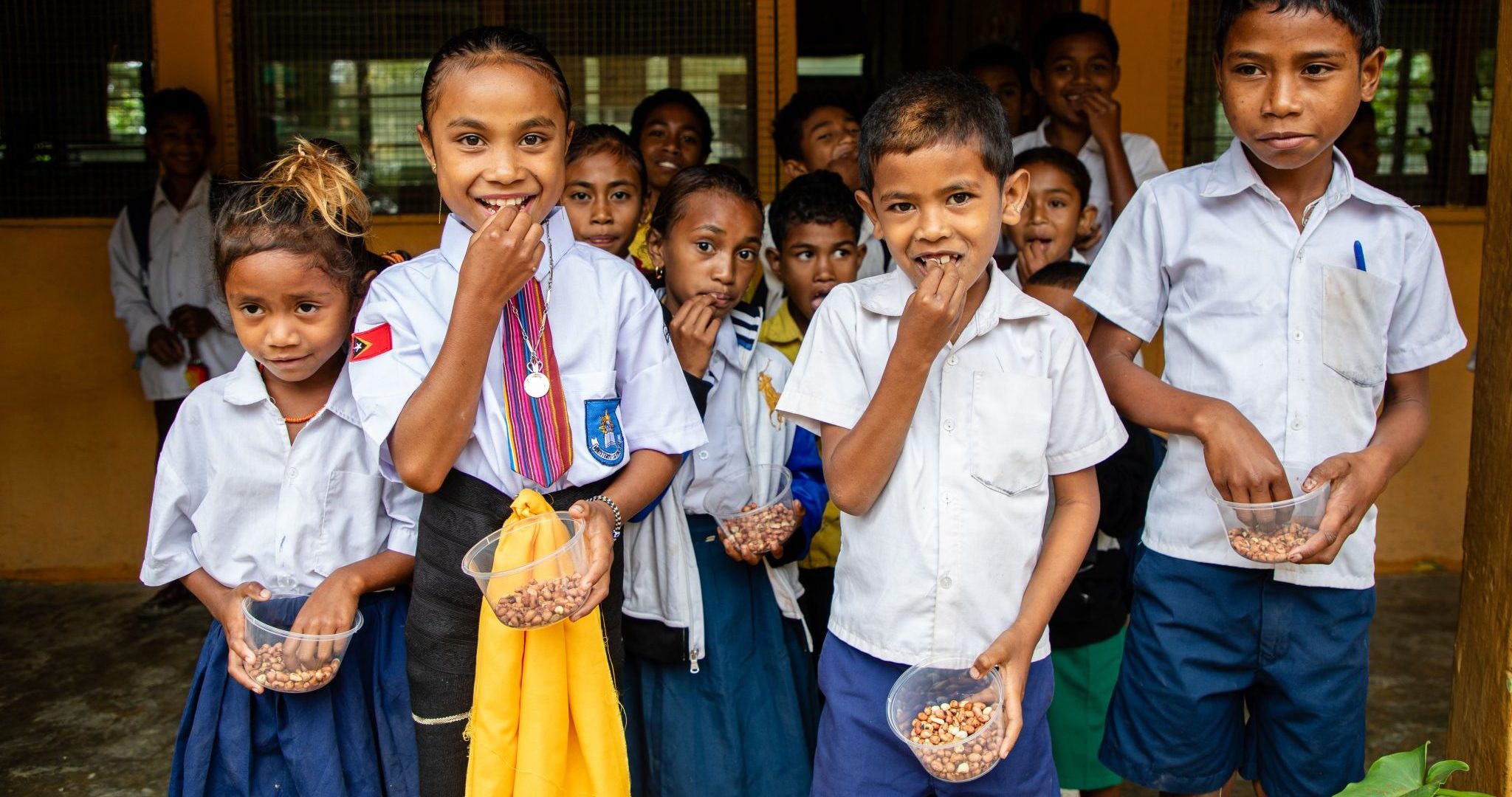
Good nutrition is essential for children to learn, grow and thrive. In Timor-Leste, malnutrition continues to affect children’s health, development and learning outcomes. According to UNICEF, almost one in two children under five (47%) are stunted – one of the highest rates in the world. Poor nutrition can impact memory, concentration and cognitive development, making it harder for children to succeed at school.
To help address this challenge, CARE in Timor-Leste implemented AtPro (Atensaun Proteina), a school nutrition initiative designed to combat stunting and support student growth and learning. Funded by the Australian Government through DFAT and delivered in partnership with the Ministry of Education, AtPro worked with 65 schools across Oecusse and Ermera to strengthen school nutrition and health promotion activities.
A key part of the program was providing locally produced peanuts as a nutritious protein supplement through school feeding programs, alongside activities to strengthen school and community systems around nutrition, health and hygiene.
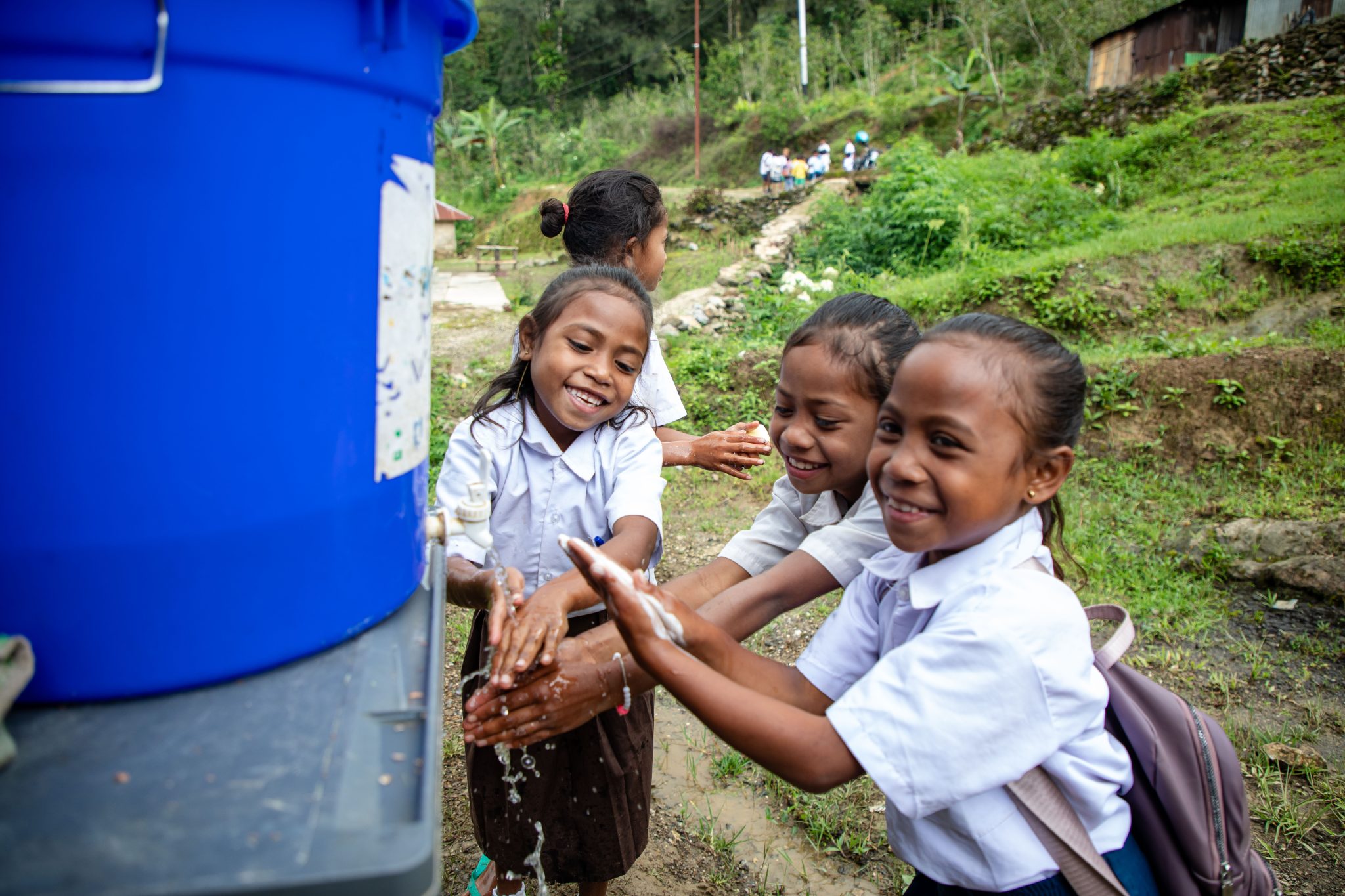
“Peanuts contribute to children’s cognitive development, particularly brain development. They benefit not only their physical growth but also their mental development for better learning, specifically enhancing literacy and numeracy skills,” says Vicêncio Cono, Director of Education in Oecusse-Ambeno Region.
Teachers and students also saw the benefits firsthand.
“They truly enjoy it because peanuts are a nutritious, uncontaminated food source,” says Marta, a primary school teacher. “These meals help develop both their minds and their bodies.
“Yes, we eat them,” say students Mateus* and Ana*.
We like it. It expands our minds and keeps our bodies healthy!
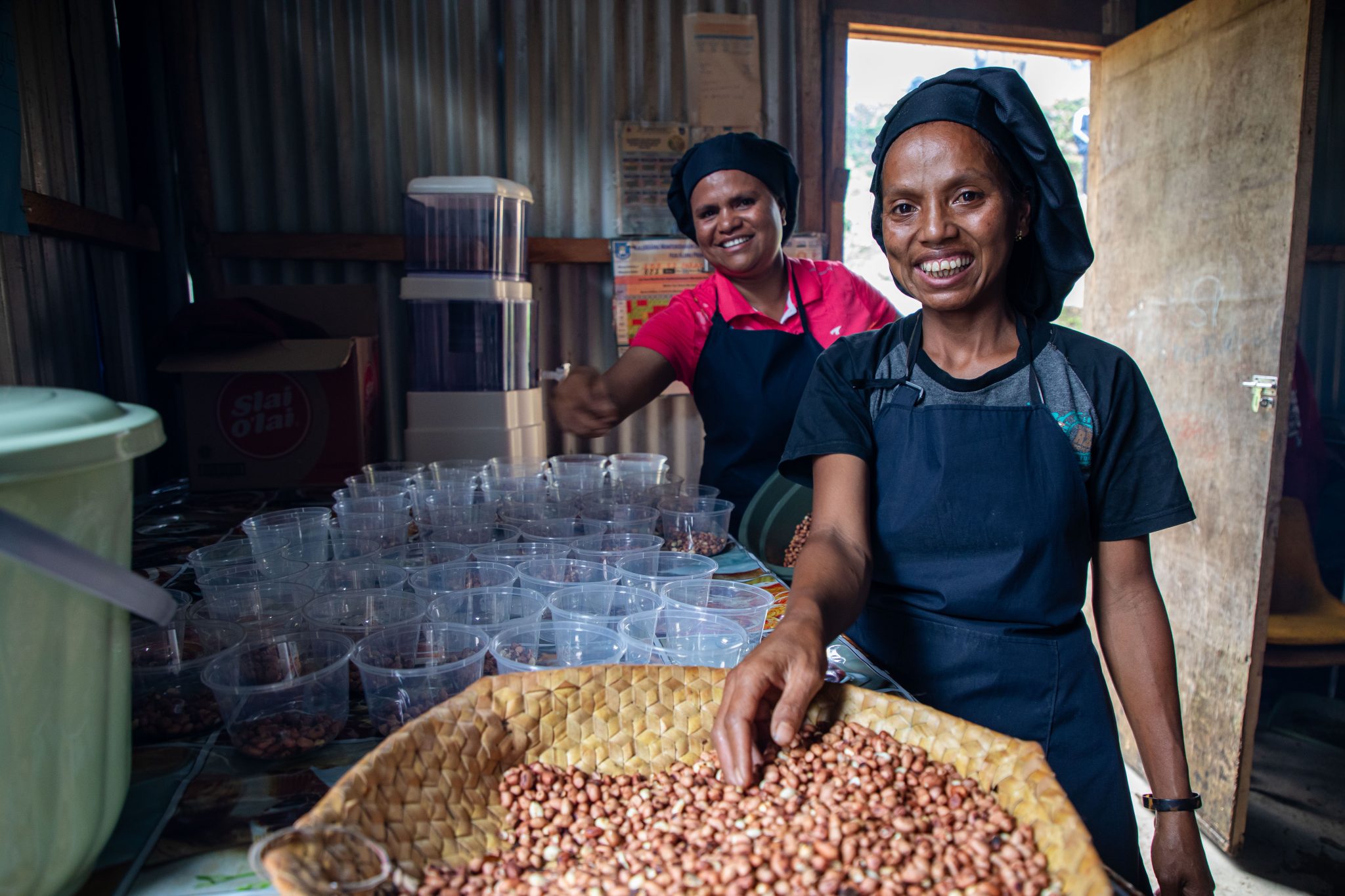
AtPro reached 11,859 students through regular school-based peanut distributions, with 48 metric tonnes of peanuts distributed across 65 schools.
The impact was significant — before the project started, only 29% of surveyed school-aged children had eaten food at school and just 2.9% of those students had consumed protein-rich food. By the end of the project, 100% of surveyed students reported eating food at school.
The project worked closely with government structures, including education and health authorities, schools, teachers, Community Health Volunteers and community groups. CARE also worked with five local NGOs in Oecusse to support community engagement and co-facilitation.
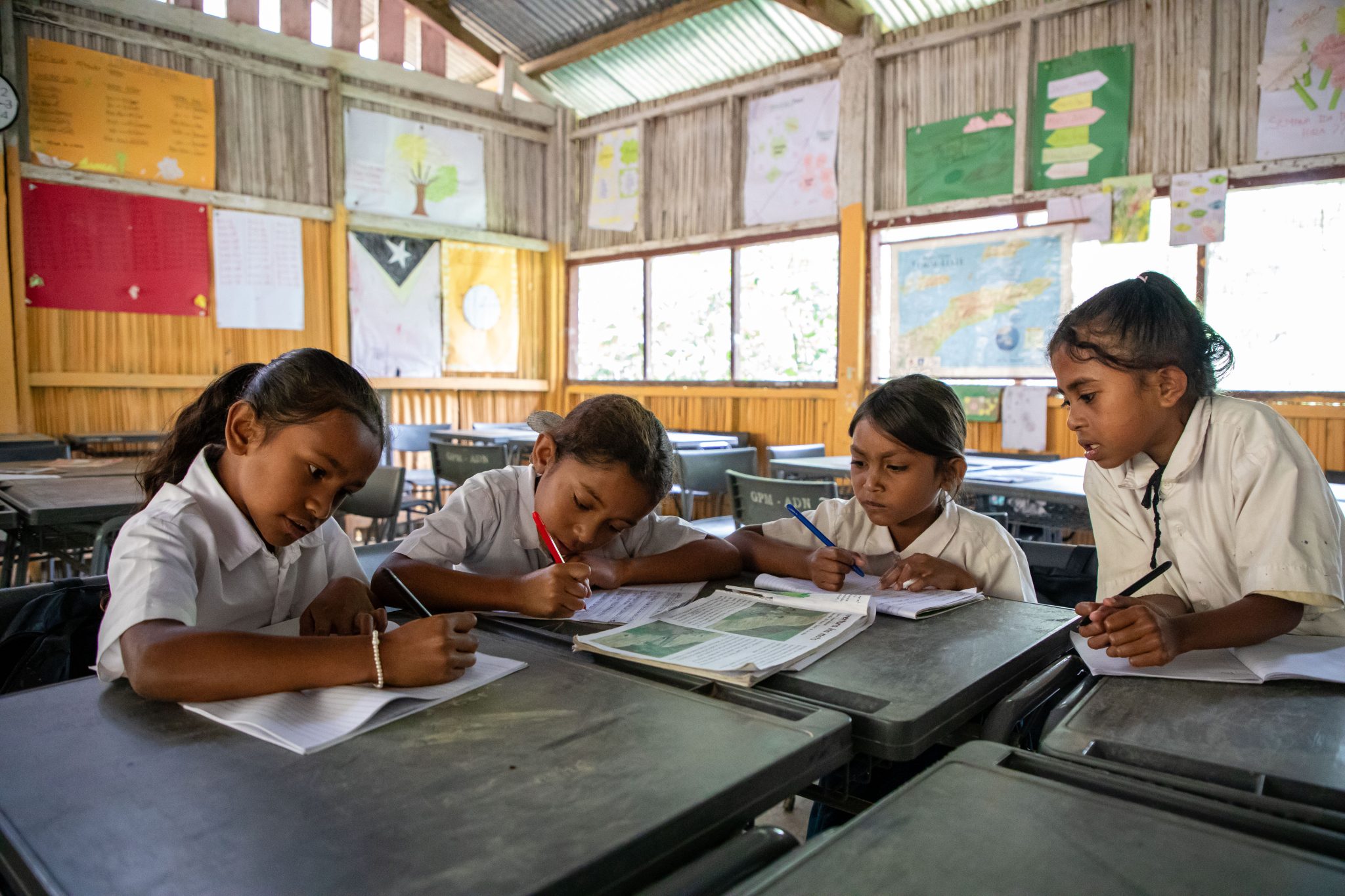
By combining practical nutrition support with stronger community awareness and local partnerships, AtPro helped create healthier learning environments and support children’s long-term development across Timor-Leste.
The project demonstrated what is possible when schools, communities, government and development partners work together to improve children’s nutrition and support learning outcomes.
*Names changed to protect anonymity
Want to contribute? Support programs like this by donating to CARE today or find more ways to give.