Across the Pacific, coastal communities are facing the growing impacts of climate change (from rising seas and stronger storms to coastal erosion that threatens homes, livelihoods, and local ecosystems). At CARE Australia, we work alongside these communities to strengthen their resilience, combining traditional knowledge, modern solutions, and community-led initiatives to ensure families can adapt, survive, and thrive.
Through our work, we help communities prepare for environmental challenges, build sustainable livelihoods, and protect the natural resources they rely on. These practical solutions are part of what we do to combat climate change, ensuring that communities are not just surviving but thriving for generations to come.
You can help too. By donating to CARE Australia, you’re supporting long-term, practical solutions that empower communities to withstand climate impacts and build a stronger, more resilient future.
So, let’s take a closer look at how communities across the Pacific are strengthening their resilience, and how CARE is making a difference.
Table of contents
What is coastal resilience?
- Why the Pacific region is vulnerable
The impact of climate change on Pacific communities
- Rising sea levels and erosion
- Extreme weather events and flooding
- Vulnerable populations at risk
CARE Australia’s role in strengthening coastal resilience
- Community-led adaptation projects
- Education and awareness programs
- Partnerships with local governments
Success stories from pacific communities
How you can support coastal resilience initiatives
What is coastal resilience?
Coastal resilience is a community’s ability to adapt and thrive despite environmental challenges such as storms, flooding, erosion and sea level rise. However, resilience is more than the ability to bounce back from a natural disaster; it is about building a community that can withstand these challenges while also promoting sustainable development and well-being.
Coastal resilience can include a variety of initiatives, including environmental protection, economic stability, and social well-being, and is built upon a foundation of community knowledge, access to resources, and support systems.
An example of this in action is Faialofa. As a proud Samoan woman, she has been working with CARE Australia’s Pacific Island partner, Women In Business Development Inc (WIBDI), to build a better future for her and her children. In the past, Faialofa found it difficult to both afford nutritious meals and pay her children’s school fees.
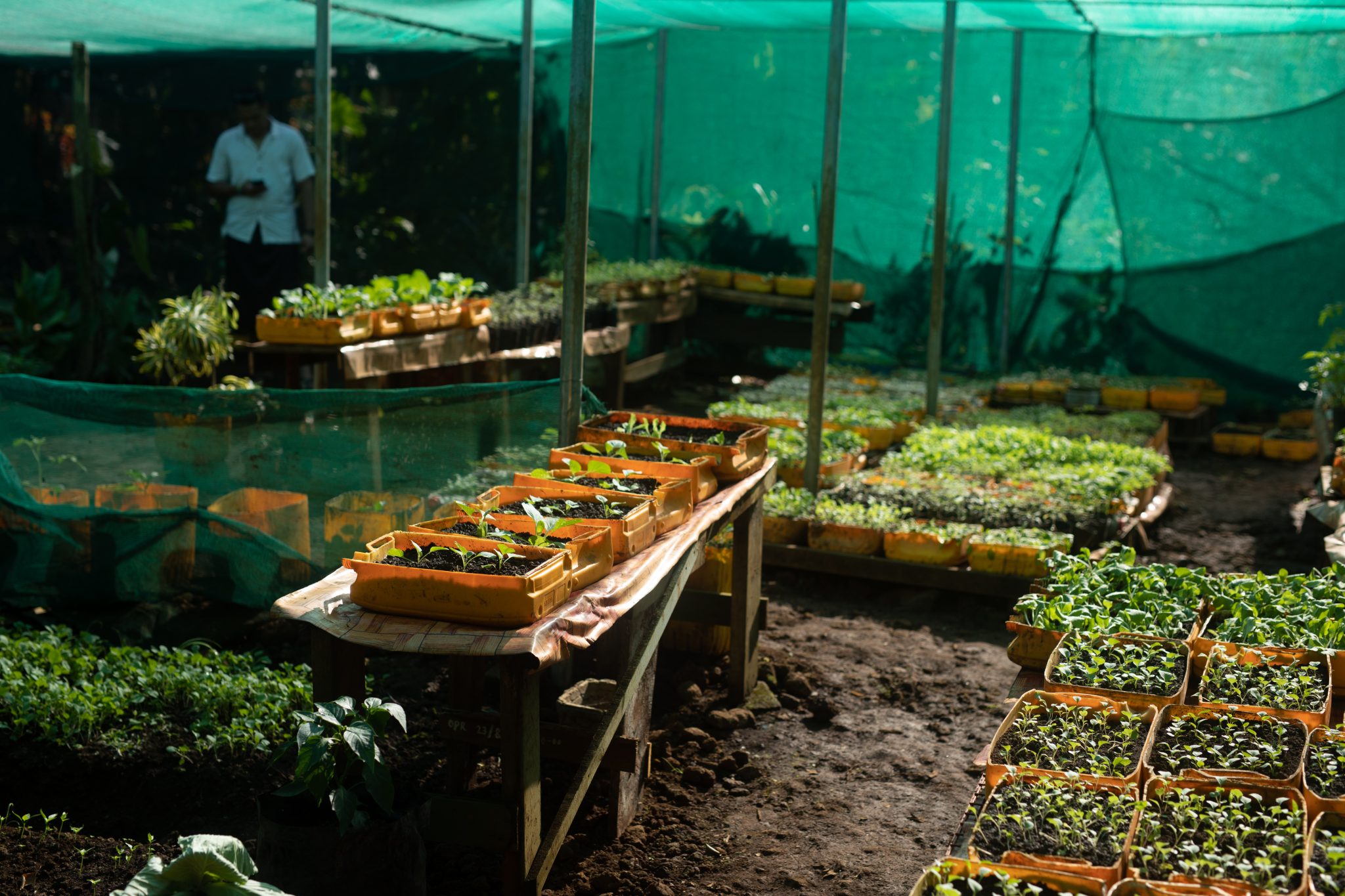
WIBDI has provided her with seeds, farming knowledge and market access to enable her to grow her own vegetables and sell the surplus. “It really helps us survive,” she says. With a garden at her home and a steady income, Faialofa is building a more secure future for herself and her children. This is an example of how strengthening food security and local economies is a critical component of coastal resilience.
- Why the Pacific region is vulnerable
Across the Pacific there are thousands of small island states and coastal communities, many of which are low-lying and particularly exposed to climate hazards. Rising sea levels, stronger storms and less predictable rainfall all pose risks to homes, livelihoods, food security and freshwater supplies.
Communities heavily dependent on agriculture and fisheries can also face large social and economic impacts as a result of even minor environmental changes. Report findings from the IPCC and Pacific show these islands are some of the most vulnerable places on Earth to the threats from climate change.
The report warned that sea-level rise is accelerating, storm surges are increasing, and extreme weather events are set to be more frequent and severe. The challenges are made worse by limited resources, economic pressures and geographic isolation which can leave communities struggling to recover quickly from disasters.
The impact of climate change on Pacific communities
- Rising sea levels and erosion
Climate change is impacting Pacific families in many different ways, but the rising of sea levels has some of the most obvious and immediate effects. A steady increase in water levels is causing coastal erosion to expand. As a result, beaches, farmland, and houses are being washed away, along with local economies, food production, and access to fresh water.
The Climate Load Report found that the rate of sea-level rise in the Pacific is increasing faster than previously anticipated, leading to increased risk for vulnerable islands and coastal communities. Erosion, the report also found, is not only an inherent natural hazard but one that is exacerbated by climate change, human activity, and loss of protective coastal ecosystems like mangroves and coral reefs.
In practical terms, this means more relocations, loss of livelihoods, and the need to rebuild infrastructure repeatedly for families and communities. Building coastal resilience through natural barriers, sustainable land management, and community-led adaptation projects will be key to helping Pacific communities safeguard their homes and build a more secure future.
- Extreme weather events and flooding
In the Pacific, extreme events like cyclones, storms and heavy rainfall are becoming more frequent and severe as the climate warms. These exacerbating storm conditions are potent disruptors to the everyday lives and livelihoods of Pacific Islanders, destroying homes, schools, roads and crops across the region. The impacts of these shocks can be devastating to families and communities. While whole populations are being affected, it’s women and girls who are experiencing some of the biggest challenges.
Women are on the frontlines of resilience. When storms and floods hit, women lead community response teams, organise evacuations, and make sure families have access to food, clean water and healthcare. CARE Australia is amplifying women’s leadership by providing training, resources and opportunities to take on decision-making roles that can help save lives and build community resilience.
By empowering community-led preparedness, investing in early-warning systems and focusing on women-centred initiatives, CARE is helping Pacific families withstand extreme events and disasters, while protecting their homes, livelihoods and futures. Strengthening women’s leadership and involvement in all aspects of shocks and crises is critical to survival because it is a building block for long-term coastal resilience.
- Vulnerable populations at risk
In the Pacific, climate change doesn’t impact everyone equally. The impacts are highest for low-lying atoll islands like Tuvalu, Kiribati, the Marshall Islands and parts of the Solomon Islands, where communities are often the most vulnerable and least equipped to face climate change, due to limited infrastructure and resources, and remoteness that hinders access to emergency relief when disasters do strike.
Recovery after a disaster is hard enough, but even harder when you don’t have the resources or power to rebuild. This is especially true for women, children, older people and low-income families on small island nations.
We know climate change is an equality issue because the people and communities most impacted by climate change are often the ones who have done the least to cause it. This is a global problem but in the Pacific, we are seeing this injustice played out on islands where rising seas, coastal erosion and more extreme weather events threaten food security, homes and livelihoods.
Women and girls are particularly vulnerable to climate impacts and are more likely to be left to keep families safe, provide food and water, and care for children after a disaster strikes. This means they are often on the frontlines of climate change and face the harshest impacts.
That’s where global climate accountability efforts, like climate court action, can play an important role to ensure that government commitments are upheld, so that communities who are most at risk of climate change’s worst impacts can be protected.
CARE Australia’s role in strengthening coastal resilience
- Community-led adaptation projects
Access to clean water is a fundamental part of building coastal resilience. Without it, communities face heightened health risks, lost opportunities, and daily burdens that often fall disproportionately on women and girls.
In Timor-Leste, the village of Deliana had gone for generations without a reliable source of safe water. Collecting water from the nearest river took hours every day, leaving little time for school, work, or other daily activities (and making it difficult to maintain hygiene, especially during health crises like COVID-19).
In 2021, CARE Australia partnered with local organisations and donors, including the Australian Humanitarian Partnership’s Disaster READY program, to implement a community-led water project. Thanks to this initiative, the village now has clean water on tap, piped directly to the community centre, making access faster, safer, and more reliable.
- Education and awareness programs
One of the most powerful ways we do this is by focusing on how educating women and girls can transform communities. When women and girls understand disaster preparedness, sustainable farming practices, and health and hygiene strategies, they become leaders in resilience, passing knowledge on to their families and neighbours and making decisions that strengthen entire communities.
These programs cover topics such as early warning systems, climate-smart agriculture, safe water and sanitation, and community-led disaster planning. By equipping women and girls with skills and confidence, CARE Australia ensures that communities are better prepared for environmental challenges and more empowered to make long-term decisions.
You can help communities thrive. By becoming a regular giver, you’ll support CARE’s education and awareness initiatives year-round, helping women and girls across the Pacific lead the way in building a safer, more resilient future.
- Partnerships with local governments
CARE partners with Pacific governments to develop policies and programs that support the most vulnerable. This includes work on disaster preparedness plans, early warning systems, and resilient infrastructure.
By working with governments, CARE ensures that communities have a voice and that when climate-related emergencies do occur, they have the best chance of mounting a strong response.
When you support CARE, you help make a response that is well coordinated and works on both local and global levels. Donations to CARE’s Global Emergency Fund help us respond rapidly to disasters as they occur. Ongoing partnerships with governments also mean that we can support long-term recovery and resilience.
As one of the best charities for tax donation in Australia, supporting CARE means your donation can go even further. We can help build and strengthen local leadership, support communities, and work towards creating resilience across the Pacific.
Success stories from Pacific communities
Petronella from Timor-Leste has formed and now manages a women’s savings group or Kuda Fini, which means “Planting Seeds.” Petronella and 30 other women each set aside a small amount every week so that they will be able to cover costs in the event of a disaster.
These savings are not large, but they are enough to help the families cope and access resources to ride out the cyclones or flooding, and ensure that their children can continue with their schooling and that their households stay intact.
Petronella is not only building financial resilience for herself and other women, but also advocating for the inclusion of women, especially those in remote areas and women with disabilities in decision-making and planning for disasters.
Petronella’s story is one that demonstrates how coastal resilience starts with communities and women’s leadership can provide cascading protection.
How you can support coastal resilience initiatives
Building resilient Pacific communities takes all of us. Through education programmes, women’s savings groups and disaster-preparedness training, your support can have a real and lasting impact.
There are a number of ways to help. You can donate monthly, make a one-time contribution or consider corporate partnerships to help reach even further. Whatever form your contribution takes, you are helping to protect families and futures.
We know you want to see your money go to good use. That’s why we show you exactly where it goes – into programmes that support disaster preparedness, women’s leadership and communities most at risk.
If you want to learn more about our Pacific work or would like to discuss partnership opportunities, please contact us. Together, we can help Pacific communities not just survive, but to thrive in the face of climate change and natural disasters.