After fleeing renewed conflict in eastern Democratic Republic of the Congo, Natalia arrived at Nakivale refugee settlement in Uganda in 2022 with her husband and eight children.
For two years, Natalia measured hunger by the kilo.
“When they welcomed us, WFP [World Food Programme] could give us 12 kilograms of maize per person, 3 kilograms of beans and a quarter kilogram of salt,” Natalia says.
Later, however, Natalia and her family started receiving less food.
“When the hunger became too much, I decided to divide a kilogram into a half so that it could last longer,” she says.
Amid these challenges, Natalia had to send her children to herd cattle, gather firewood, and offer cheap labour in the surrounding host community. She went out to do the same – work she still does today.
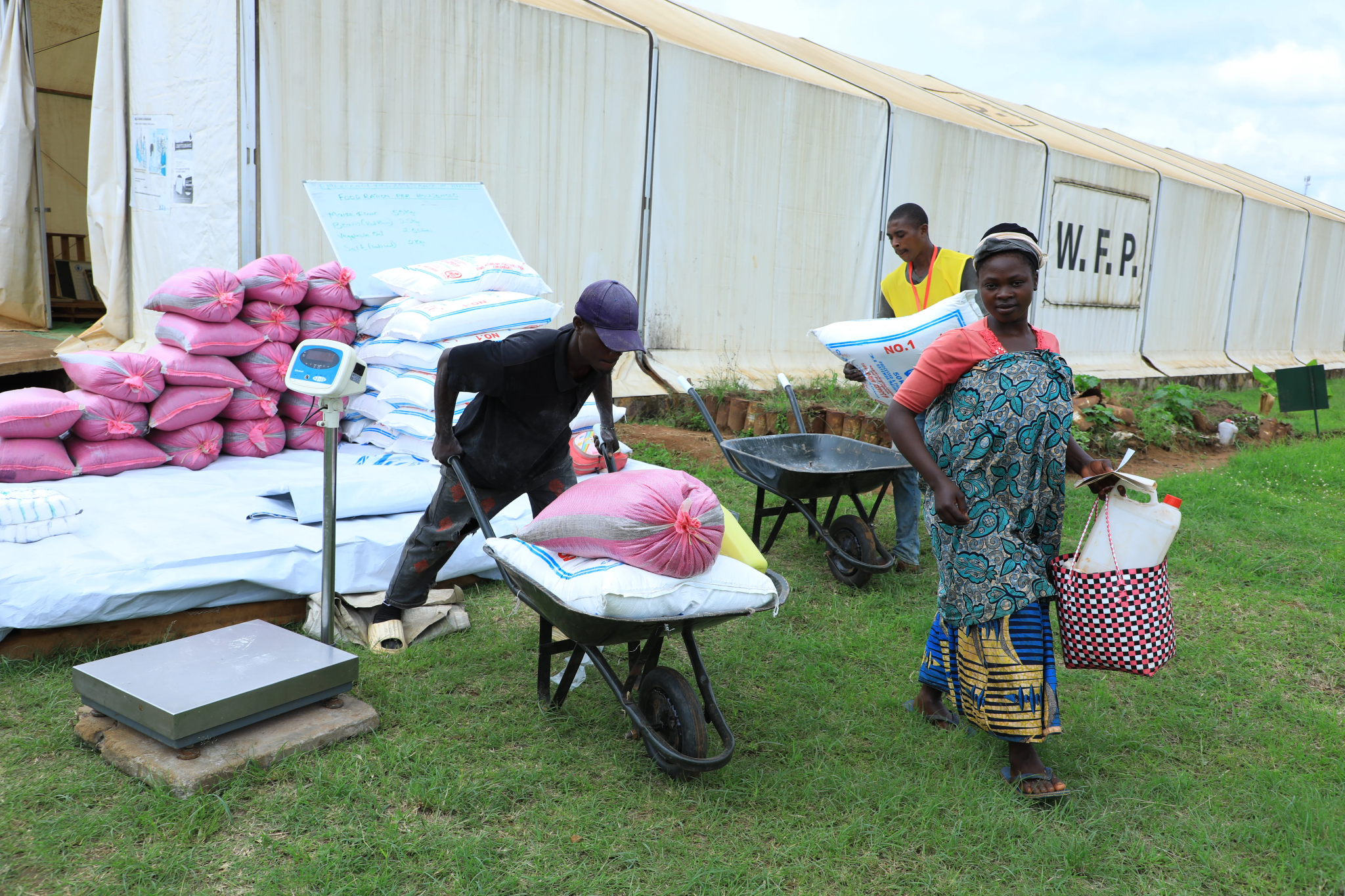
Natalia’s experience reflects a wider crisis. In early 2025, WFP was supporting 1.6 million refugees in Uganda. Today, it reaches fewer than half that number, even as food shortages among refugees has more than tripled in a single year.
For women, this can present particular challenges. Women often play an important role in feeding their families and communities, yet when food is scarce, they are more likely to eat least and last.
Building a way forward through self-reliance
CARE and its partners started delivering food to refugees in Nakivale. But after experiencing the impact of aid cuts, participants made it clear that short-term assistance would not be enough. They wanted the skills and resources to provide for themselves.
Natalia was determined to create that change for her family. She chose to take part in cultivation training so her family wouldn’t have to experience hunger again.
She learned to dig irrigation trenches, understand seasonal calendars and save for the future. She also became a leader, with her fellow group members electing her as a chairperson.
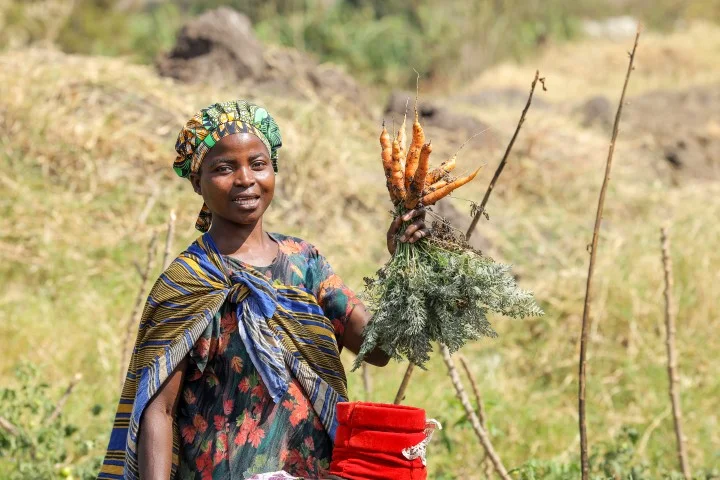
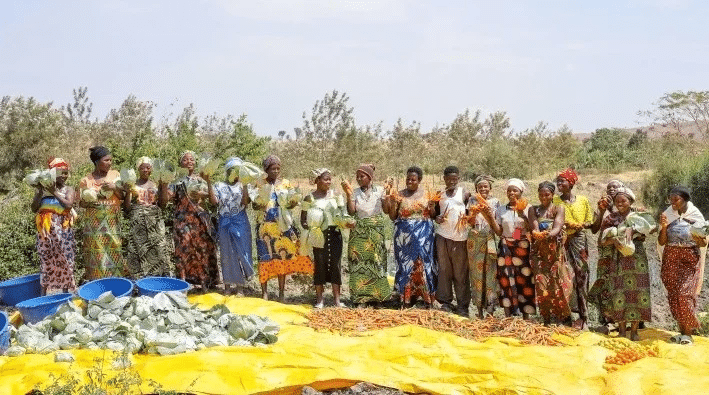
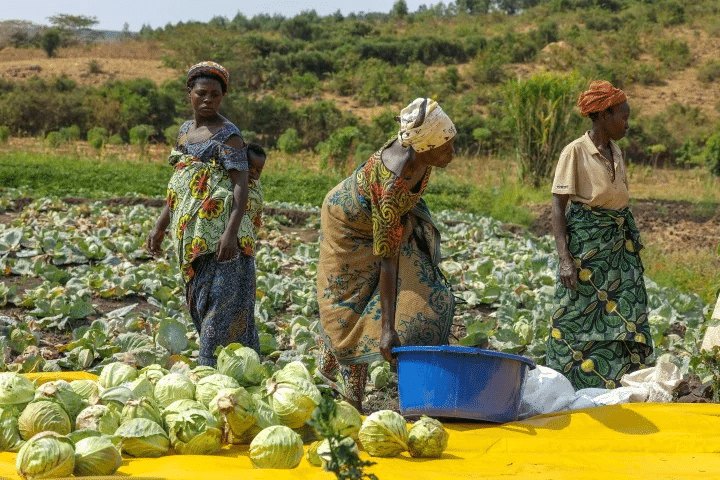
The cabbages in the garden are proof of her progress. “These cabbages came from the training,” she says. “We learn, then we practise.”
Natalia also learned financial skills that helped her budget more effectively and has passed on this knowledge to her husband and older children.
“Even if I leave them with a sack of beans at home, they know how to plan for it”, she says.
The cultivation group did more than grow food – it turned strangers into neighbours. Members now farm together weekly, sharing labour, water and the produce they sell at local markets.
With appropriate training, Natalia and other participants now have more ways to grow food, manage their resources and earn an income.
Looking ahead
Food assistance helped Natalia’s family through difficult times. Now, she is building something bigger – confidence, skills and ways to earn an income.
Natalia wants to buy the land she farms outright and eventually start a small retail business of her own. “I want to stop depending on others and stand on my own financially,” she says.
Today, Natalia is growing food, earning an income, sharing her knowledge and building greater security for her family’s future.
Her story shows what is possible when women have access to the resources they need. They can turn determination into action, growing food, earning an income, sharing knowledge and building stronger communities.
Your gift can help women like Natalia access the resources, knowledge and opportunities they need to overcome hunger in their communities. Donate today.