In a small village on the Syrian-Iraqi border in Al-Hasakeh, two cousins, Hala*, 12, and Hiba*, 9, begin their mornings like many other girls in the area, with courage that seems far older than their years. Each carries an empty plastic jerrycan almost half her size to reach the nearest water source.
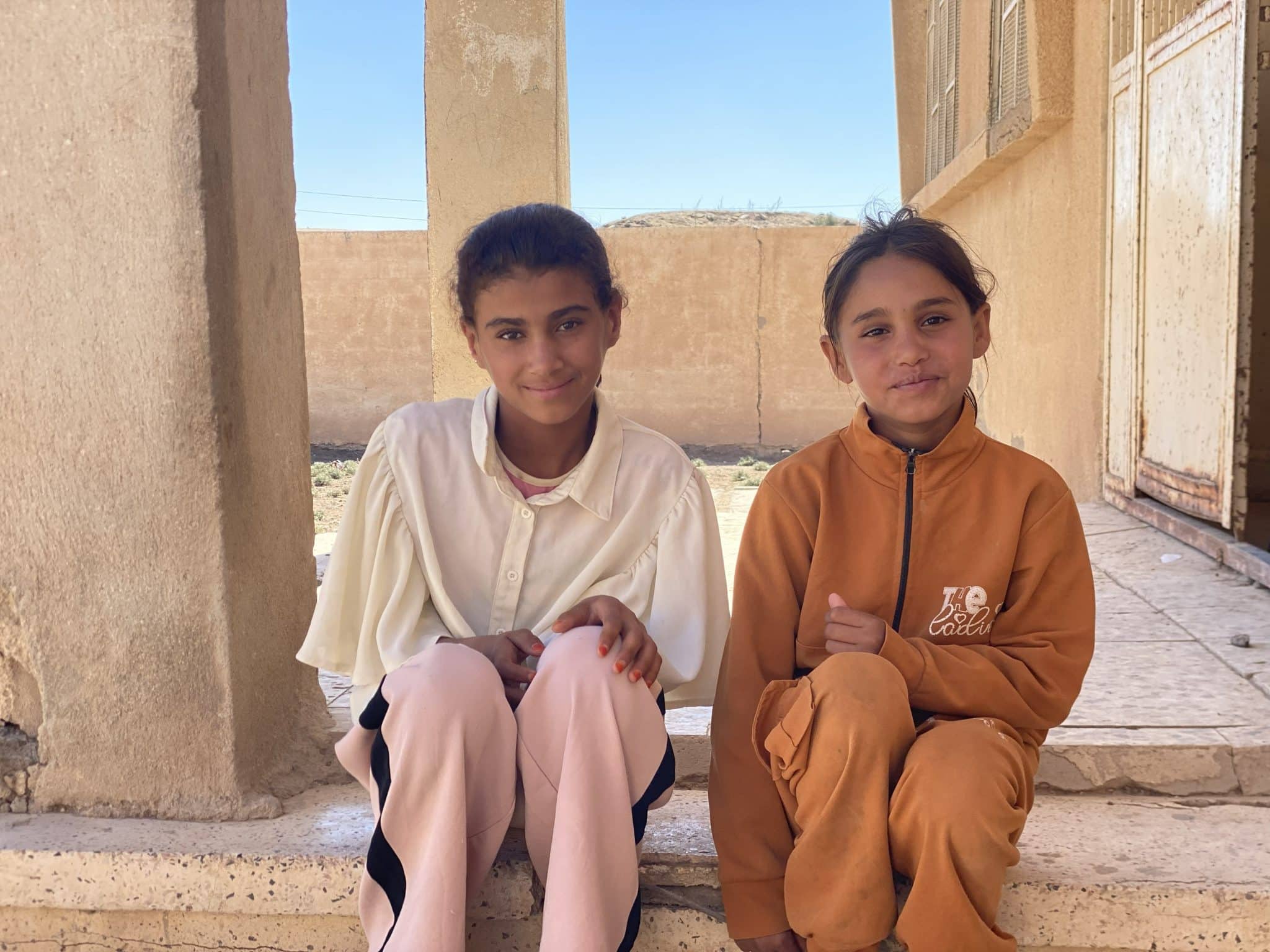
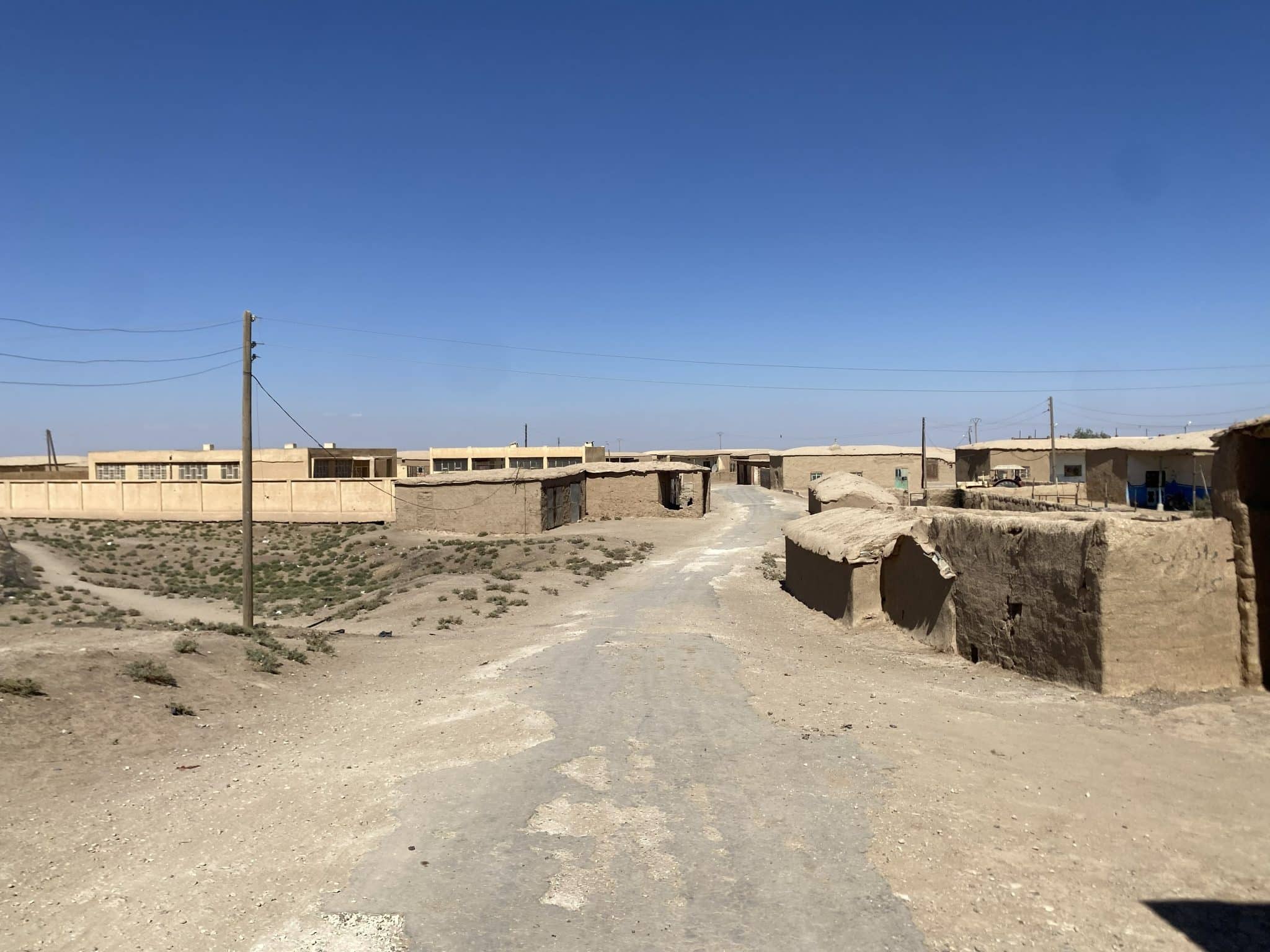
Hala* is in the sixth grade and one of six siblings. Her cousin Hiba*, in the fourth grade, lives nearby with her parents, two sisters, and three brothers. Life in their remote village is not easy. Years of drought and the damage from almost 15 years of conflict have left the wells dry and the local water station silent. The families here depend on water trucks (when they can afford them) or walk long distances to collect water from distant wells.
Life here is tough. Parents work as daily labour in faraway fields, often picking cotton to earn a few coins to buy food. On weekends, Hala and Hiba join them, their hands filling with cotton fluff and dust instead of toys and books.
“I love cotton,” Hala says with a shy smile.
We pick it, and the landowners give us money.
Despite these hardships, both girls refuse to let go of their dreams. After walking for water and helping their families, they still make their way to the small rural school nearby.
Every day after school, Hala helps her mother.
I help my mom clean and cook. I can’t really cook or clean yet, but I carry water from the tank in the yard.
Although carrying heavy water bottles is difficult for a child her age, Hala’s words reflect quiet responsibility more than complaint.
Still, she keeps her passion for drawing. She loves to sketch on the classroom board, filling it with shapes, flowers, and the little scenes she dreams of seeing one day in her own garden.
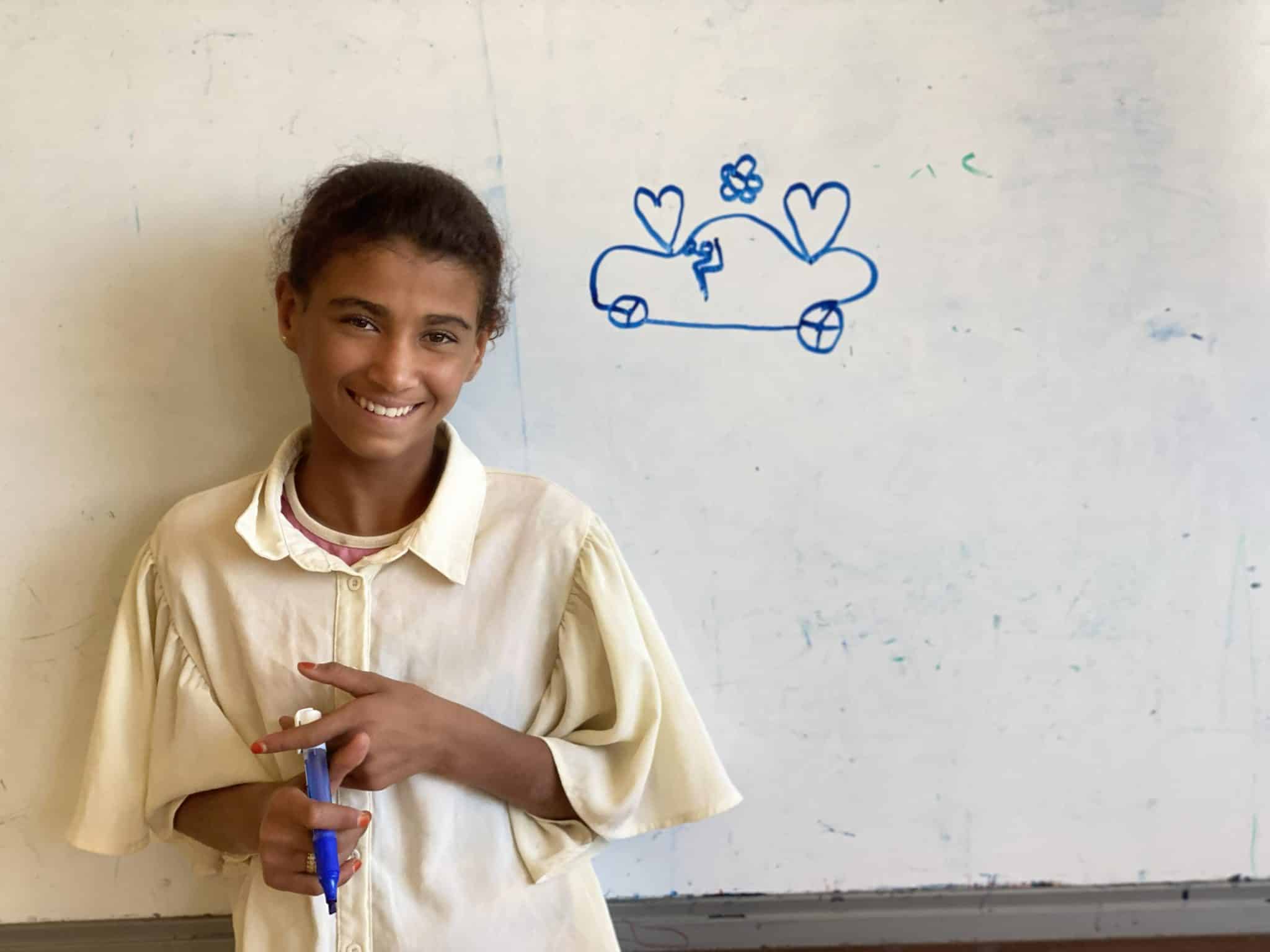
Hiba, her cousin, is known as one of the top students in her class. She loves reading and learning new things. When asked what she would do if water returned to the village, her answer comes quickly:
I will make a swimming pool and take a bath every day! And we will plant vegetables in the yard.
Hala laughs and adds,
If water comes, I will splash it all over the house so flowers and grass can grow everywhere.
Now, with CARE’s intervention funded by the European Union, that dream is slowly becoming real. CARE rehabilitated the local water station and equipped it with a solar-powered system to ensure continuous operation. Alongside hygiene promotion sessions, the project is restoring access to clean, safe water for hundreds of families in the area.
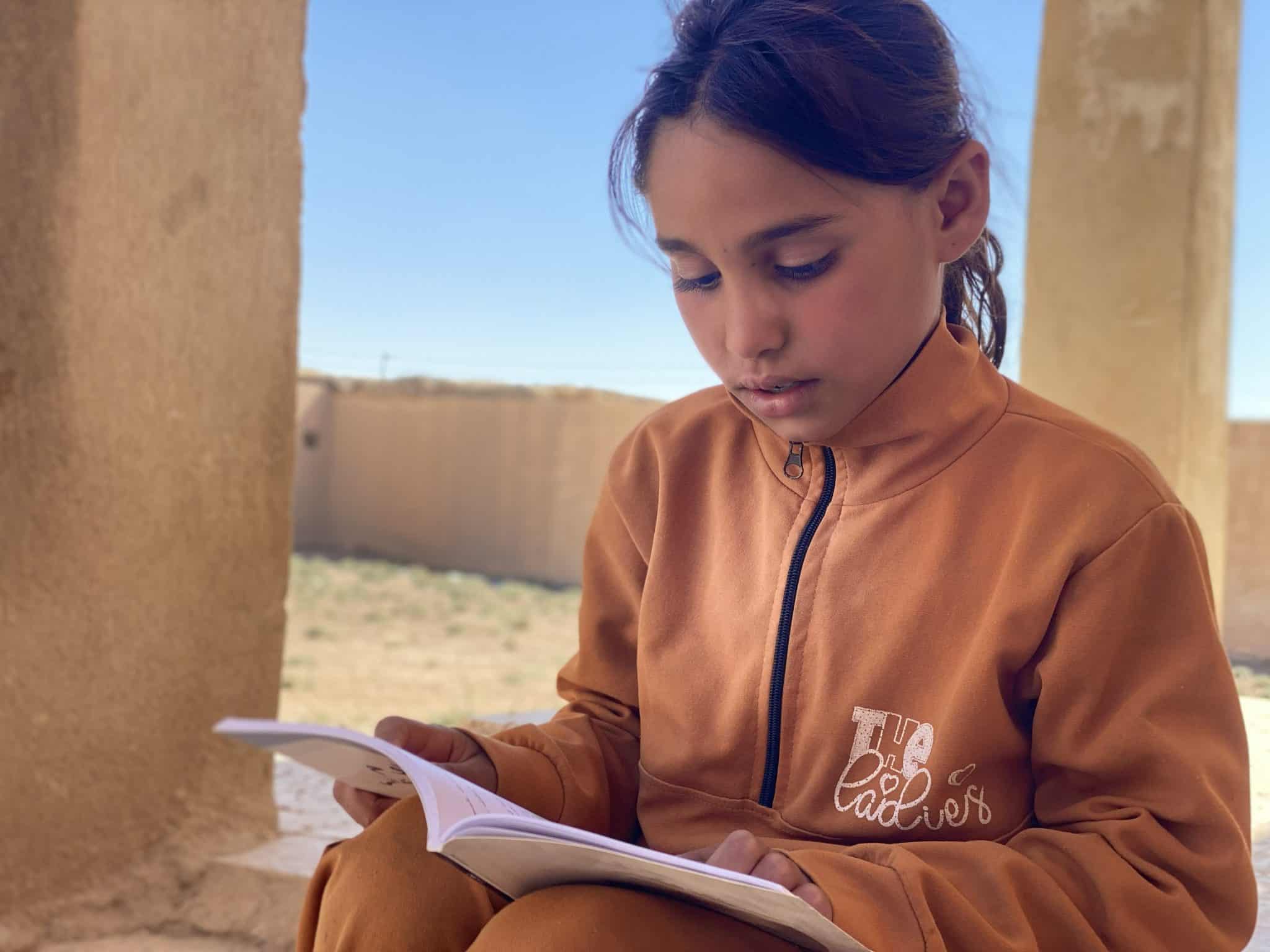
For girls like Hala and Hiba, the return of water means more than comfort. It means more time to study, to play, and to dream freely again.
Their story is one of countless others: of young girls who, despite hardship, keep walking forward, carrying not just water, but hope.
*Names have been changed
Want to contribute? Donate to CARE Australia today, or find more ways to give and support our humanitarians worldwide.