CARE expresses deep concern over the escalating civilian harm in Ukraine, with a 30 per cent increase in civilian casualties reported in July compared to June.
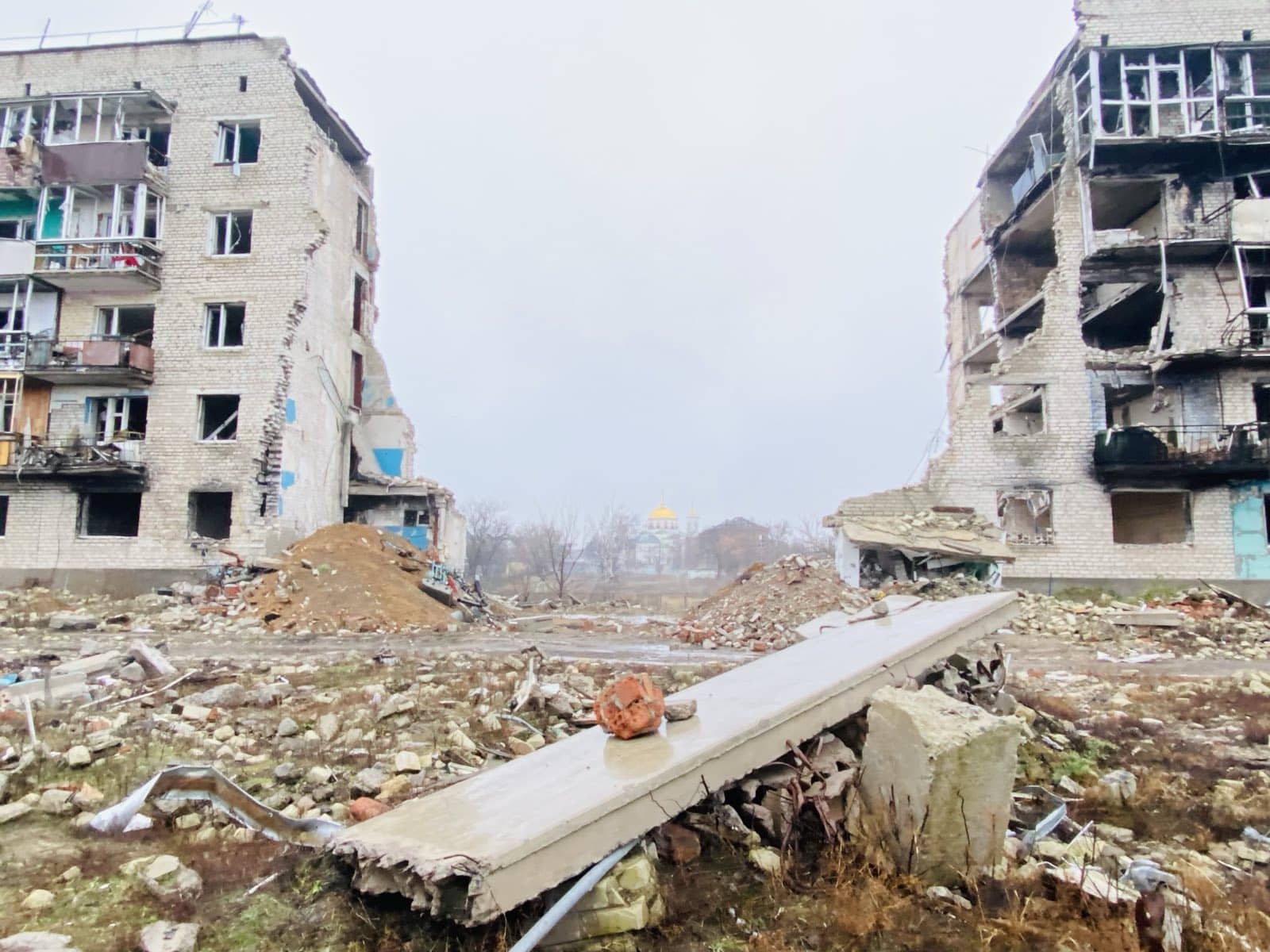
As the war intensifies, attacks on civilian infrastructure, including medical facilities, power grids, railways and major food distribution hubs, are severely compounding human suffering. Recent attacks on food supplies in the region, including ships, grain storage facilities and warehouses containing humanitarian supplies, pose a threat to the food security of millions of people, and threaten to raise the cost of food and humanitarian assistance worldwide.
According to the latest report of the UN Human Rights Monitoring Mission in Ukraine, July 2026 saw a sharp escalation in civilian harm, with at least 437 civilians killed and 2,610 injured. The number of civilians killed was the highest since May 2022, while the number of child casualties (17 killed; 166 injured) was the highest recorded since April 2022. Long-range weapons and aerial bombardments continue to cause heavy casualties in urban centers far from the frontline.
“These attacks are heart-wrenching for families struggling to survive through this war. The rise in civilian deaths and injuries is shocking enough, but the relentless targeting of civilian infrastructure is also affecting the wider health, safety and wellbeing of people in Ukraine. Many supermarket shelves in Kyiv are empty this week as food supply systems try to cope with the impact of the attacks,” says Michael McGrath, Country Director, CARE Ukraine. “Our teams and organisations we partner with are working tirelessly in hazardous conditions. Despite being exposed to these attacks, they continue their work to ensure that aid meets people’s critical needs. The mental and physical strain on both the population and humanitarian workers is reaching a tipping point.”
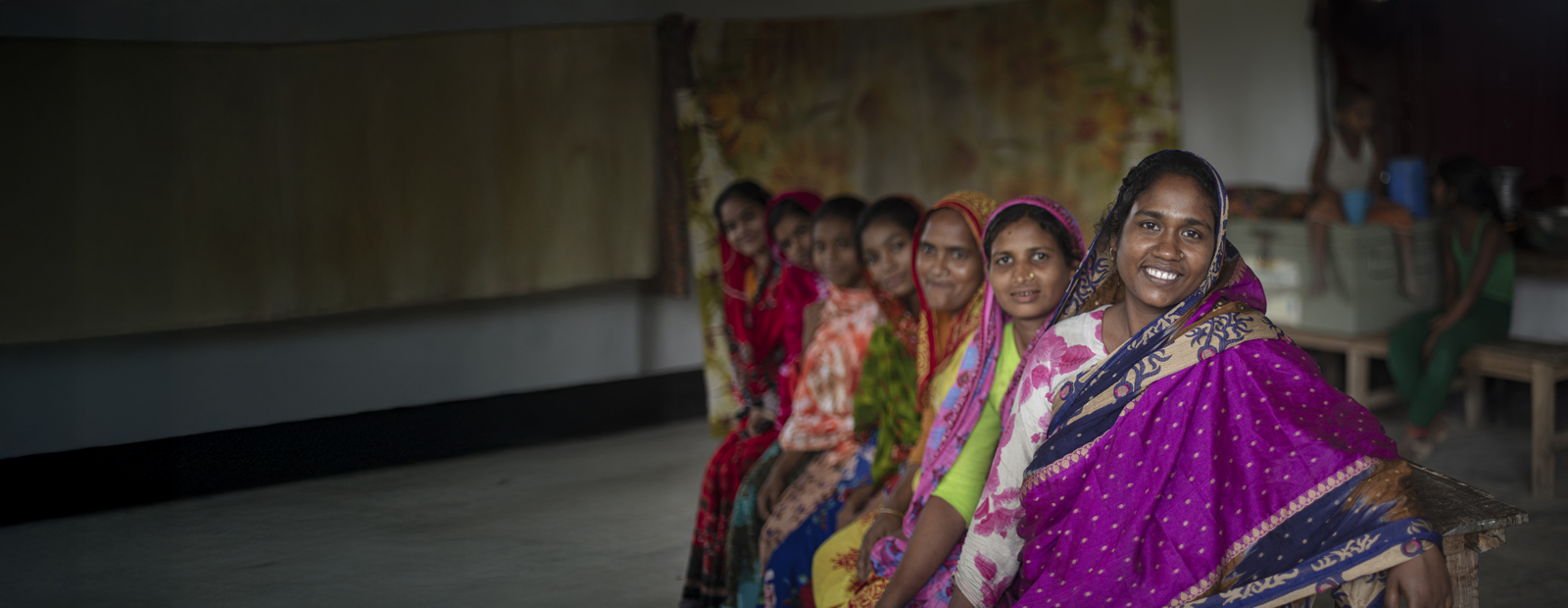
Tymofii Saitarly, Head of Ukrainian organisation “Safe Space”, which operates in the Zaporizhzhia region and provides support for the psychological needs of women, stresses: “Compared to last year, we are seeing a higher buildup of fatigue and psychological burnout. Women often cope with personal danger while simultaneously acting as the primary emotional anchor for their children and families. At the same time, the financial strain and the burden of providing for the household continue to grow. Many are now reluctant to evacuate simply because they lack the physical and emotional resources to start over again. Accumulated war fatigue is felt not only by our project participants, but also by members of our team who live and work under the same air raid alerts and explosions as the communities they support.”
Tymofii Saitarly explains: “For many women, the participation in our group sessions provides them with a safe space where they can speak openly about their experiences, feel supported by peers, and gradually regain a sense of control over their lives. We see that these meetings do not only reduce social isolation, but also foster resilience, mutual support, and women’s greater engagement in community life.”
Under International Humanitarian Law, civilians and civilian infrastructure must be protected at all times, including humanitarian workers and facilities. Direct targeting of objects essential for civilians to survive, such as food supplies, is prohibited. The normalisation of civilian harm is unacceptable. Those with influence must demand the parties to conflict to comply with their obligations, and they must seek accountability for violations of international law.
CARE and its local partners urgently call on the international community to sustain and scale up humanitarian support for Ukraine, prioritising protection of civilians and long-term provision of mental health services. We urge donors to immediately increase both the volume and the quality of humanitarian funding to enable organisations that are best placed, including local and women-led organisations, to reach people in need rapidly and effectively.
ENDS
For media enquiries contact Julia Dotras on 0494 396 407
About CARE Australia
CARE Australia supports women around the globe to save lives, defeat poverty and achieve social justice. We work in partnership with local communities to provide equal opportunities for women that they have long been denied: the ability to earn an income, gain access to their fair share of resources, to lead and participate in decisions that affect their lives, and to be able to withstand the increasing impacts of climate disasters and other crises. www.care.org.au