“The latest escalation in Lebanon is deepening an already catastrophic humanitarian situation and pushing vulnerable communities further into crisis. For families who have endured months of insecurity, displacement, and economic hardship, this is not a new emergency; it is another devastating blow in a prolonged struggle for safety, dignity, and survival.
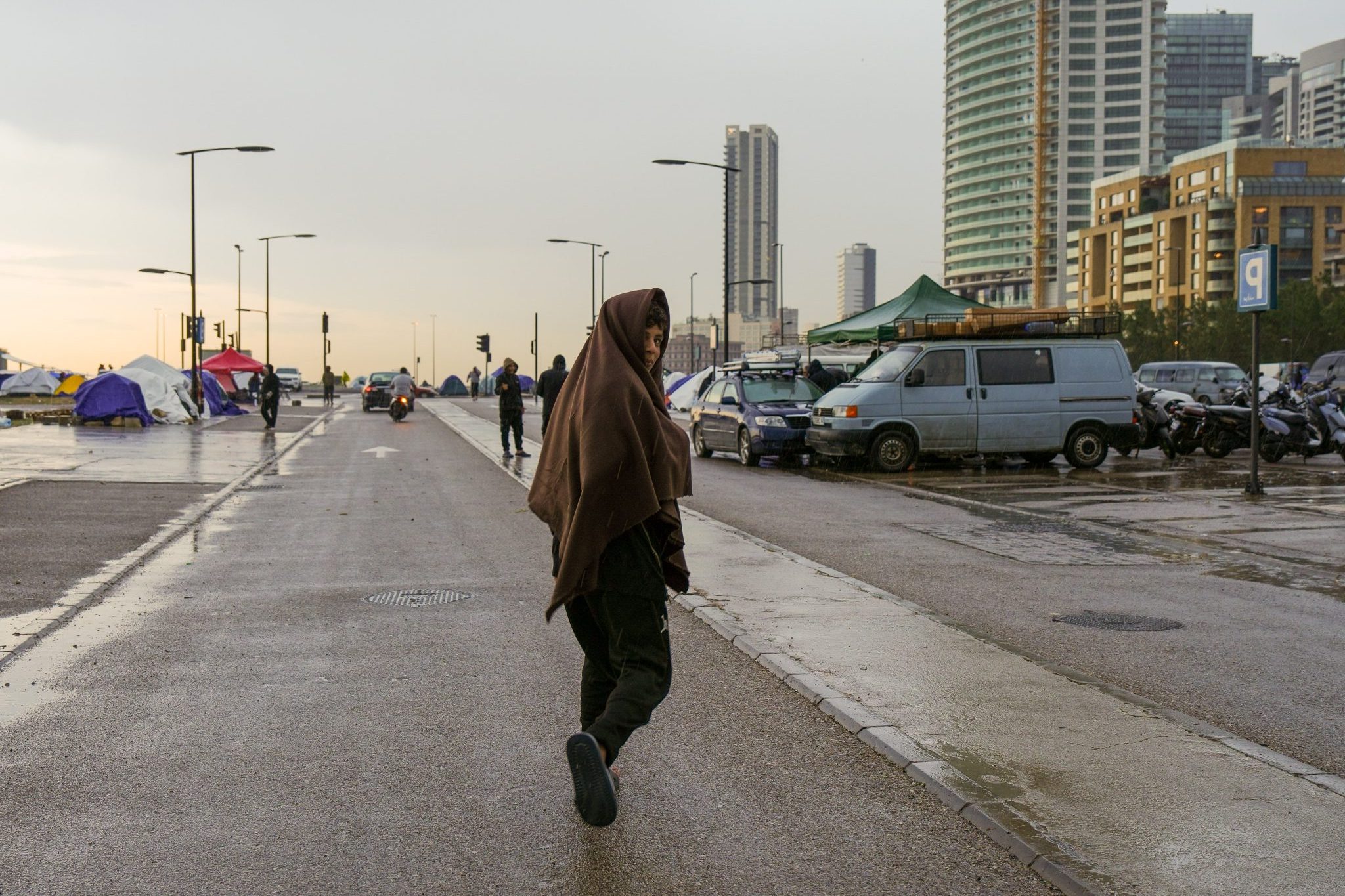
Across affected areas, families who were already struggling to meet their most basic needs are once again facing displacement, uncertainty, and fear. Many have spent months moving between temporary shelters, relying on dwindling support networks, accumulating debt, and making impossible choices to get through each day. As hostilities intensify, people are being forced to flee their homes yet again, leaving behind livelihoods, disrupting children’s education, and losing access to essential services and healthcare.
At CARE International in Lebanon, we are witnessing a sharp increase in humanitarian needs across shelter, water, sanitation and hygiene (WASH), protection, food security, and livelihoods. Women, children, older persons, and people with disabilities continue to bear the heaviest burden of this crisis. The risks they face, from displacement and family separation to barriers in accessing assistance and essential services; are growing with each new escalation.
The impact extends far beyond immediate displacement. Basic services are under increasing strain, economic opportunities are disappearing, and communities are reaching a breaking point. Families who have already exhausted every available coping mechanism are finding it increasingly difficult to secure food, access clean water, pay for transportation, or meet other essential needs.
CARE International in Lebanon is working alongside local partners and humanitarian actors to provide urgent assistance and support affected communities. However, the scale and severity of the needs continue to outpace available resources. Without sustained humanitarian access and increased international support, more families will be pushed deeper into vulnerability.
We call on all parties to uphold their obligations under international humanitarian law, protect civilians and civilian infrastructure, and ensure safe and unhindered access for humanitarian organisations to reach those in need.
No family should have to endure repeated displacement, prolonged uncertainty, and the constant fear of losing everything. Urgent action is needed to protect civilians, address immediate humanitarian needs, and prevent further suffering.”
Quotes
Zeina* – currently in a shelter in Beirut
“I barely sleep anymore. Every night, I keep my clothes and my children’s documents next to me in case we have to leave again. The sound of explosions, the uncertainty, and the fear for my children make it impossible to rest.
As a mother, the hardest part is not knowing how to reassure them when I am afraid myself. My daughters ask me when they can go back to school, when life will be normal again, and I don’t have answers. We spend our days worrying about safety, about having enough food, and about what tomorrow will bring.
Women carry so much of the burden during times like these. We are trying to care for our children, support our families, and hold everything together while dealing with our own fear and exhaustion. After months of uncertainty and displacement, many of us feel physically and emotionally drained, but we keep going because our families depend on us.”
Marwa* – currently in a shelter in Beirut:
“Every night, I lie awake listening to the next explosion. Even when it is quiet, I cannot sleep because I am thinking about what I would do if we had to flee again. My children wake up terrified. They bite their fingers so much out of anxiety that they’re not focusing on their nails anymore. Now, they are biting their full fingers. I spend hours trying to comfort them while hiding my own fear.
The exhaustion is overwhelming. As women, we are expected to keep our families going no matter what, finding food, caring for children, supporting elderly relatives, and trying to create a sense of normality when nothing feels normal. Some days, it feels like we are carrying the weight of this crisis on our shoulders.
What hurts the most is watching our children lose their sense of safety. They should be thinking about school, friends, and their future, not whether they will have to leave their home again tomorrow.”
ENDS
For media enquiries contact Briony FitzGerald on 0404 117 927
About CARE Australia
CARE Australia supports women around the globe to save lives, defeat poverty and achieve social justice. We work in partnership with local communities to provide equal opportunities for women that they have long been denied: the ability to earn an income, gain access to their fair share of resources, to lead and participate in decisions that affect their lives, and to be able to withstand the increasing impacts of climate disasters and other crises. www.care.org.au