Statement by Clément Nkubizi, CARE DRC Country Director
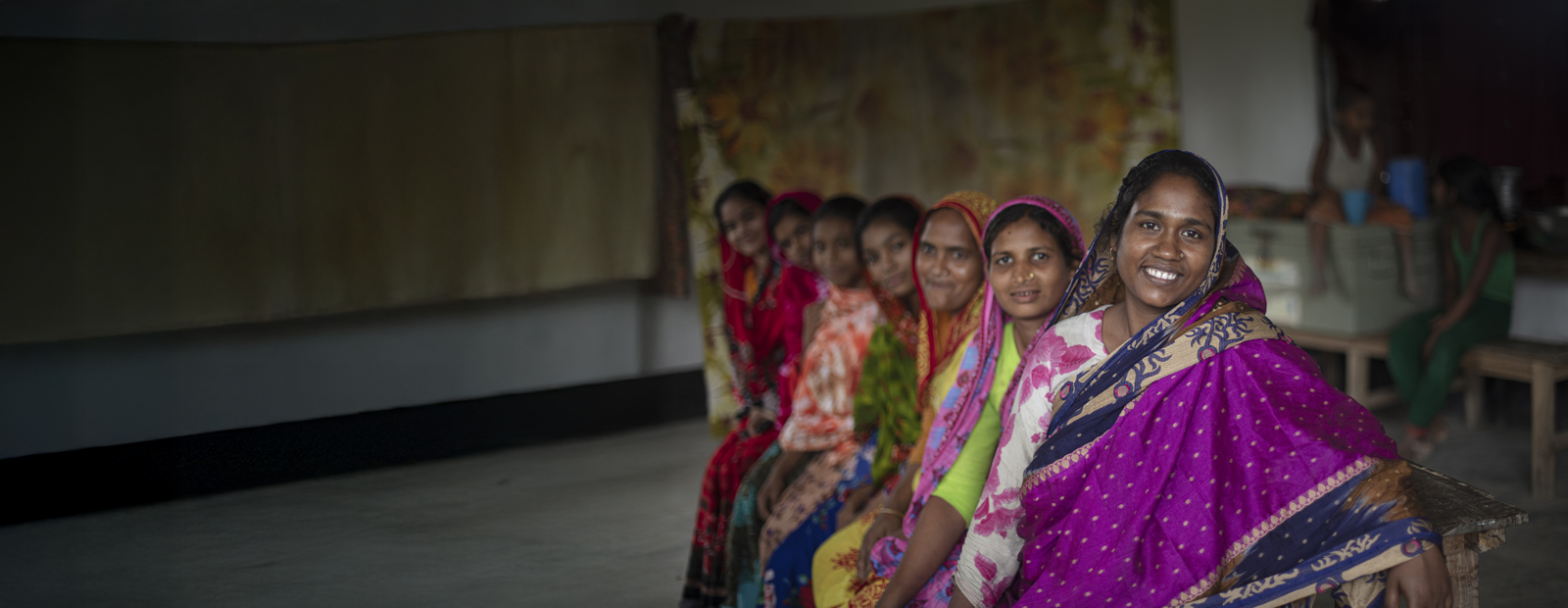
Six months into the Ebola outbreak in the Democratic Republic of the Congo (DRC), women, girls, and children are bearing the heaviest burden. With 11,114 confirmed cases and 5,433 deaths reported across eight provinces as of 11 November, their needs must be at the centre of the response. In areas where CARE works, women and girls make up 54% of confirmed cases and 59% of contacts.
When someone falls sick, a mother, daughter, or sister usually provides care, putting women and girls at greater risk of infection, while adding to their heavy workload of responsibilities. As Ebola disrupts markets and farming, women are left to feed their families with less and less food and money in a country where over 28 million people already face acute hunger. Women and girls already face heightened risks of gender-based violence, including sexual violence.
Fear of infection at health facilities and health worker strikes are stopping pregnant women from accessing healthcare. In Tshopo Province, 53% of pregnant women have missed antenatal check-ups, leaving dangerous complications undetected and reducing safe births. Each missed appointment may be a missed opportunity to keep a mother and her newborn safe.
Children are in grave danger. In North Kivu, 65 of the 578 patients in isolation are under five, and 17 infants have been orphaned or separated from Ebola-positive mothers who must immediately stop breastfeeding. In Ituri, 78 children are in care centres or nurseries. With no licensed treatment for the Bundibugyo strain, nutrition is critical, yet critical supplies are lacking. Blood, laboratory reagents, fuel for ambulances and protective equipment are running out. Therapeutic foods (F-75, F-100, Plumpy’Nut) are in short supply in North Kivu and Nord-Ubangi, and in Bas-Uele, none of the 36 isolated suspected cases are getting nutritional support. Conflict has forced hundreds of thousands of families from their homes, leaving displaced women and children to face acute hunger and a deadly Ebola outbreak is worsening the situation leaving many without basic care.
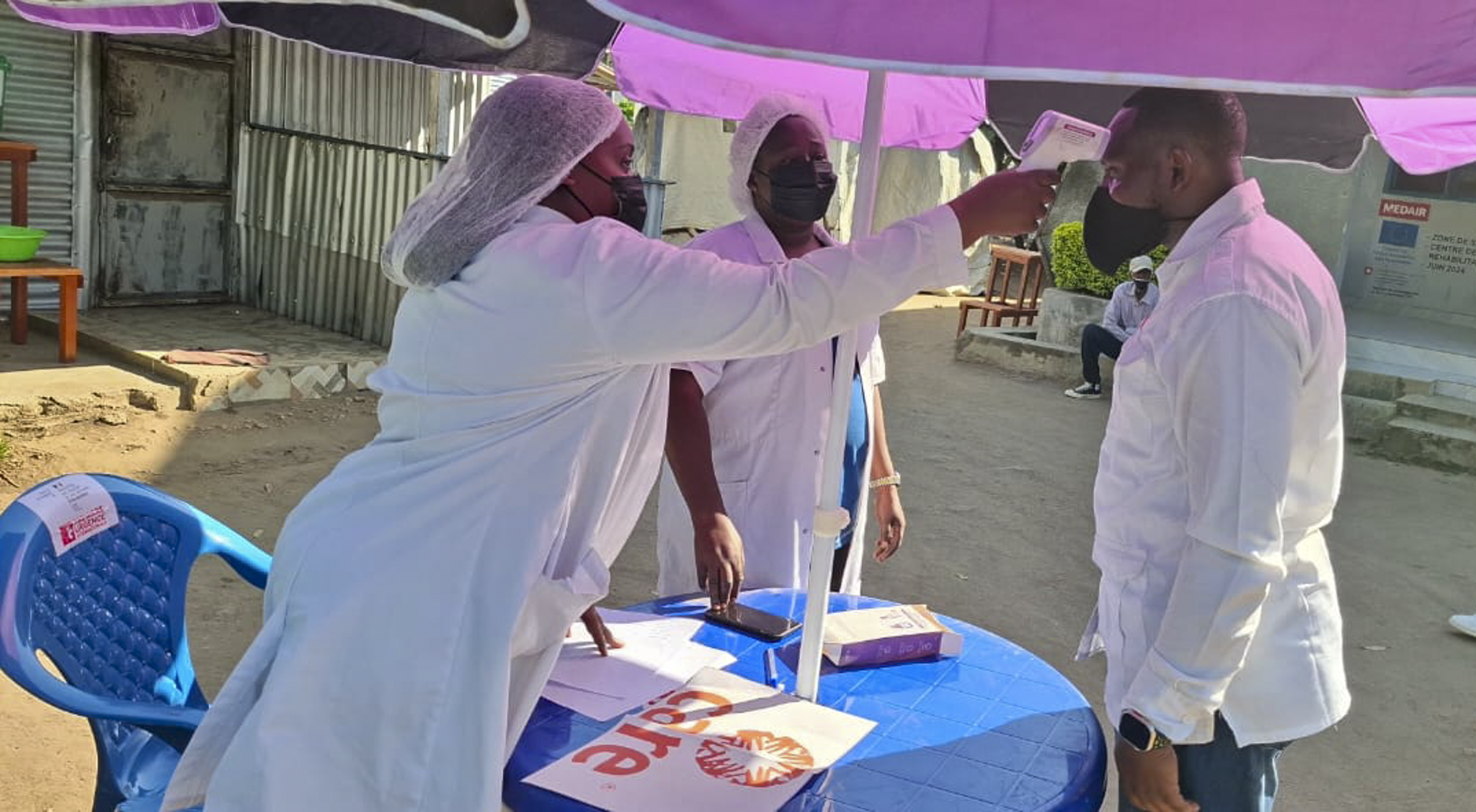
Across North Kivu, South Kivu, Ituri and Tshopo, CARE together with partners has reached over 1.2 million people with prevention messages and community dialogues, screened over 377,000 people at triage points, and referred more than 13,400 suspected cases. We have also equipped 33 health facilities, provided safe water to 29,300 people, and reached over 413,000 with hygiene promotion.
Communities are telling us that an Ebola-only response, blind to hunger, gender-based violence, other illnesses, and orphaned children fuels mistrust. Every patient needs nutrition support, including therapeutic foods and breast milk substitutes. Health workers must be paid and facilities kept safe so mothers and children can access routine care. Survivors need confidential reporting and care for sexual exploitation and abuse, orphaned children need protection, and families need livelihood support.
None of this is possible without fast, flexible funding for frontline responders and women-led organisations. Delayed funding slowed the initial response to this crisis and it is being prolonged by the continued shortage of resources and funding. The outbreak will end, but if women, girls and children are left behind, its damage will be felt for years to come.
ENDS
For media enquiries contact Julia Dotras on 0494 396 407
About CARE Australia
CARE Australia supports women around the globe to save lives, defeat poverty and achieve social justice. We work in partnership with local communities to provide equal opportunities for women that they have long been denied: the ability to earn an income, gain access to their fair share of resources, to lead and participate in decisions that affect their lives, and to be able to withstand the increasing impacts of climate disasters and other crises. www.care.org.au