Statement by Michael Alandu, CARE Regional Director, West and Central Africa
“The escalation of the Ebola outbreak in the Democratic Republic of Congo (DRC) is deeply alarming. We are witnessing the virus spread at a terrifying speed across an increasingly wide geographic area through communities already pushed to the brink by severe hunger, displacement, disease and conflict. At the same time, communities are bracing for El Niño-driven floods and drought that could displace families, destroy homes and livelihoods, contaminate water sources, disrupt health services, and leave entire communities cut off as roads and bridges become impassable, deepening an already dire humanitarian crisis.
When people are struggling to meet their most basic needs, disease spreads faster and becomes far harder to contain. The appearance of Ebola in South Ubangi, more than 1,000 kilometres from where it started in Ituri province, proves that no community is safe from the virus. Every new case places an intolerable burden on a healthcare system that is already stretched beyond its limits.
With millions displaced across the affected provinces, tracking exposure and containing Ebola is especially challenging. Many people live in overcrowded areas with limited access to healthcare, clean water and sanitation, while insecurity and poor road infrastructure make it harder to detect cases, reach communities and stop transmission. These same barriers can also undermine community engagement, surveillance, referral and access to timely care all of which are essential to controlling an outbreak.
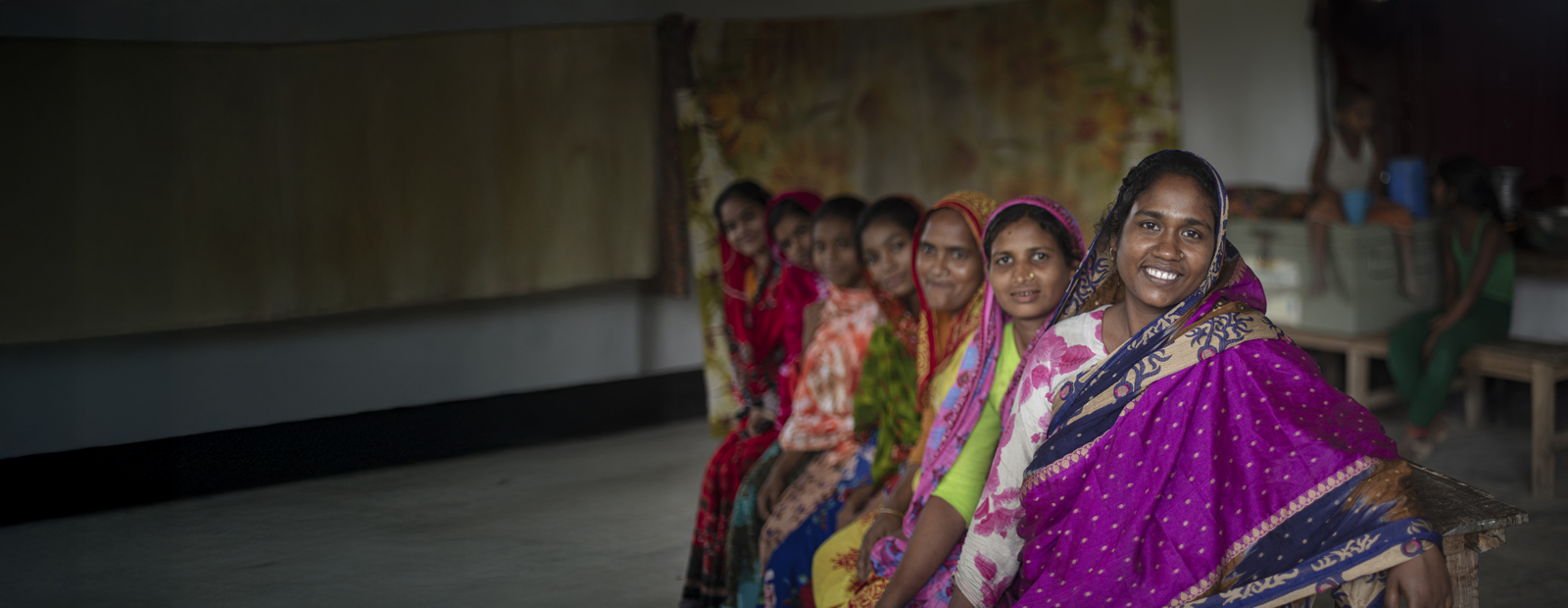
Women and girls are paying the highest price in this crisis. They are often the ones caring for sick relatives, collecting water, finding food and looking after children, increasing their risk of exposure while adding to an already overwhelming burden. Displacement, disrupted services and economic hardship also heighten the risks of gender-based violence, including sexual violence, exploitation and exclusion from essential healthcare and protection services. What makes this outbreak especially concerning is the speed at which it is advancing.
The outbreak has now expanded to multiple provinces, highlighting the urgent need to scale up prevention, surveillance and community-based response. The actions taken now will determine how many lives can still be saved. But stopping this outbreak will require more than treatment centres. CARE knows that outbreaks are stopped where they begin: in communities where people have the information, trust and resources to act quickly. Communities must be able to recognise symptoms early, trusted leaders must share accurate information, and women must be included in local response efforts.
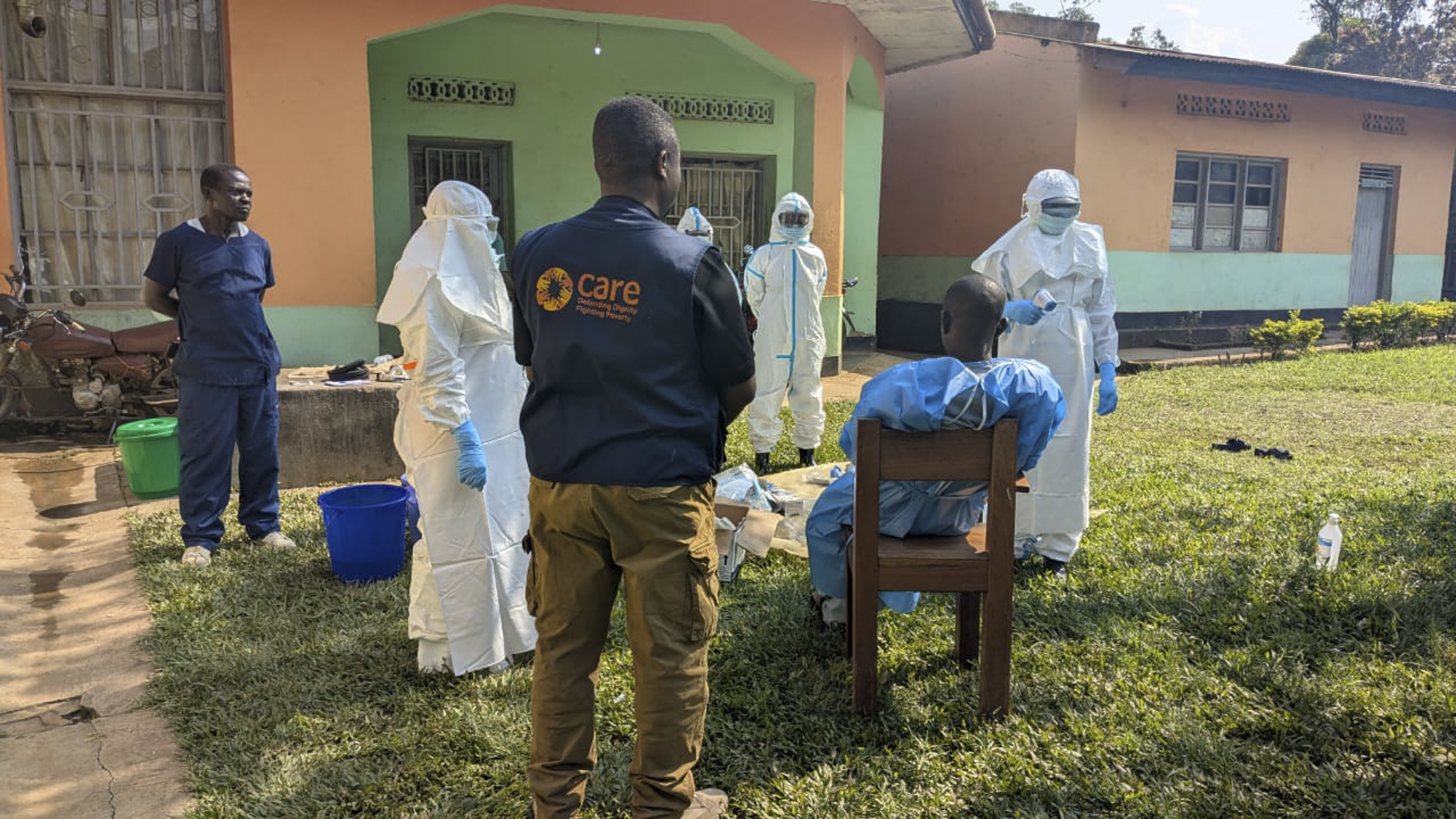
Our teams are working alongside the Ministry of Health, best-placed local humanitarian actors, including women-led organisations, healthcare workers and community members. Our aim is to build trust, strengthen awareness, support early identification of suspected cases and provide vulnerable people with essential assistance. Community engagement remains one of the most effective tools for preventing transmission and saving lives. But the response is not keeping pace with growing needs. Increased investment is urgently needed in community-led prevention, frontline health workers, surveillance and early warning systems, safe water and sanitation and services that address the specific needs of women and girls. It is also critical that all parties to the ongoing conflict guarantee full, rapid, safe and unimpeded humanitarian access, including for humanitarian and health personnel, patients, laboratory samples and essential supplies. As climate risks intensify, humanitarian and public health responses must also be better prepared to operate in communities that may become increasingly difficult to reach. Investing now in local capacity, community preparedness and resilient health systems can help ensure that an Ebola response is not disrupted by the next climate-related shock. Acting now will save lives.”
ENDS
For media enquiries contact Julia Dotras on 0494 396 407 or Briony FitzGerald on 0404 117 927
About CARE Australia
CARE Australia supports women around the globe to save lives, defeat poverty and achieve social justice. We work in partnership with local communities to provide equal opportunities for women that they have long been denied: the ability to earn an income, gain access to their fair share of resources, to lead and participate in decisions that affect their lives, and to be able to withstand the increasing impacts of climate disasters and other crises. www.care.org.au