CARE works with communities before, during and after climate shocks to help reduce the impact of droughts, floods, hunger and displacement. Our approach combines immediate humanitarian assistance with long-term climate adaptation, recognising that El Niño-related crises are not isolated events but part of a wider pattern of increasing climate disruption.
Acting before crisis hits
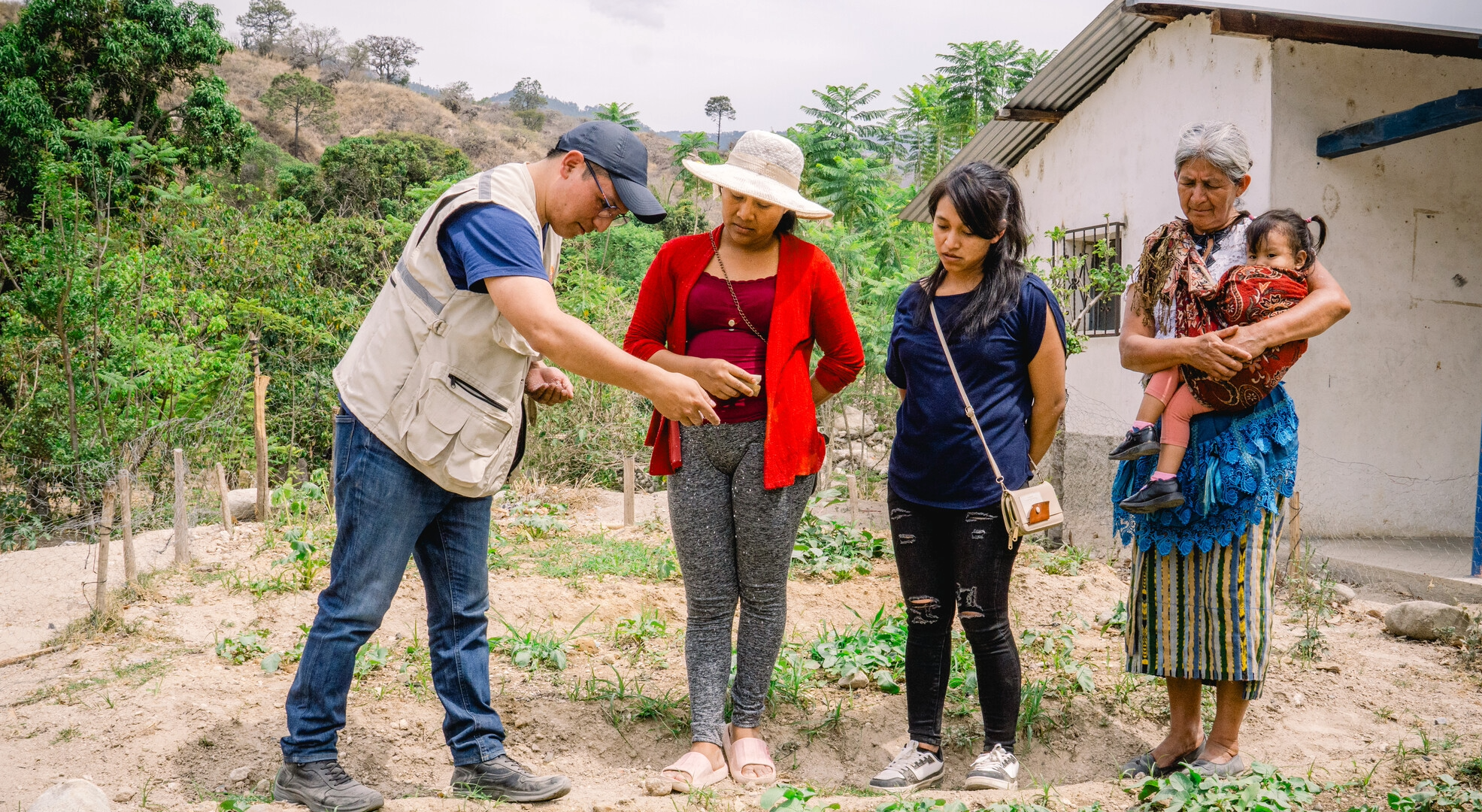
Our approach is locally-led: we work with communities to understand local climate risks and support them to develop solutions that will work best for them. Activities can include putting in place early warning systems, local disaster planning, pre-positioned emergency support, anticipatory cash assistance and practical steps to protect crops, livestock and water supplies.
Acting early saves lives, protects livelihoods and reduces the humanitarian cost. It also helps families avoid damaging coping strategies, such as selling productive assets, taking children out of school or leaving their homes in search of work.
Advancing nature-based solutions
Nature-based solutions combine environmental restoration with livelihoods opportunities and are central to CARE’s approach. Interventions may include restoring watersheds and degraded land, promoting agroforestry, or supporting coastal ecosystem protection.
These interventions not only buffer extreme weather impacts but also reduce food loss and waste by improving soil health, water retention, and post-harvest stability. By involving local communities in development and implementation via an innovative eco-savings group model, they also provide a valuable source of livelihood security.
Strengthening food security and livelihoods
El Niño can disrupt food systems from harvest to market. CARE supports climate-resilient food systems by working with farmers and communities to diversify crops, improve storage, reduce food loss and waste, strengthen local markets and protect livelihoods.
This includes practical solutions such as solar drying, safe grain storage, bio-fertiliser, agroforestry, regenerative agriculture, solar-powered irrigation and women-led food processing businesses. These approaches can improve food security, support women farmers and build climate resilience.
Improving water, health and essential services
During El Niño-related droughts and floods, families may face unsafe water, disease outbreaks, malnutrition and reduced access to healthcare or education. CARE supports emergency and long-term water, sanitation and hygiene services, climate-resilient health systems, nutrition support and continuity of education.
This integrated approach helps communities cope with immediate impacts while strengthening the basic services they rely on in future crises.
Enabling women’s leadership and financial resilience
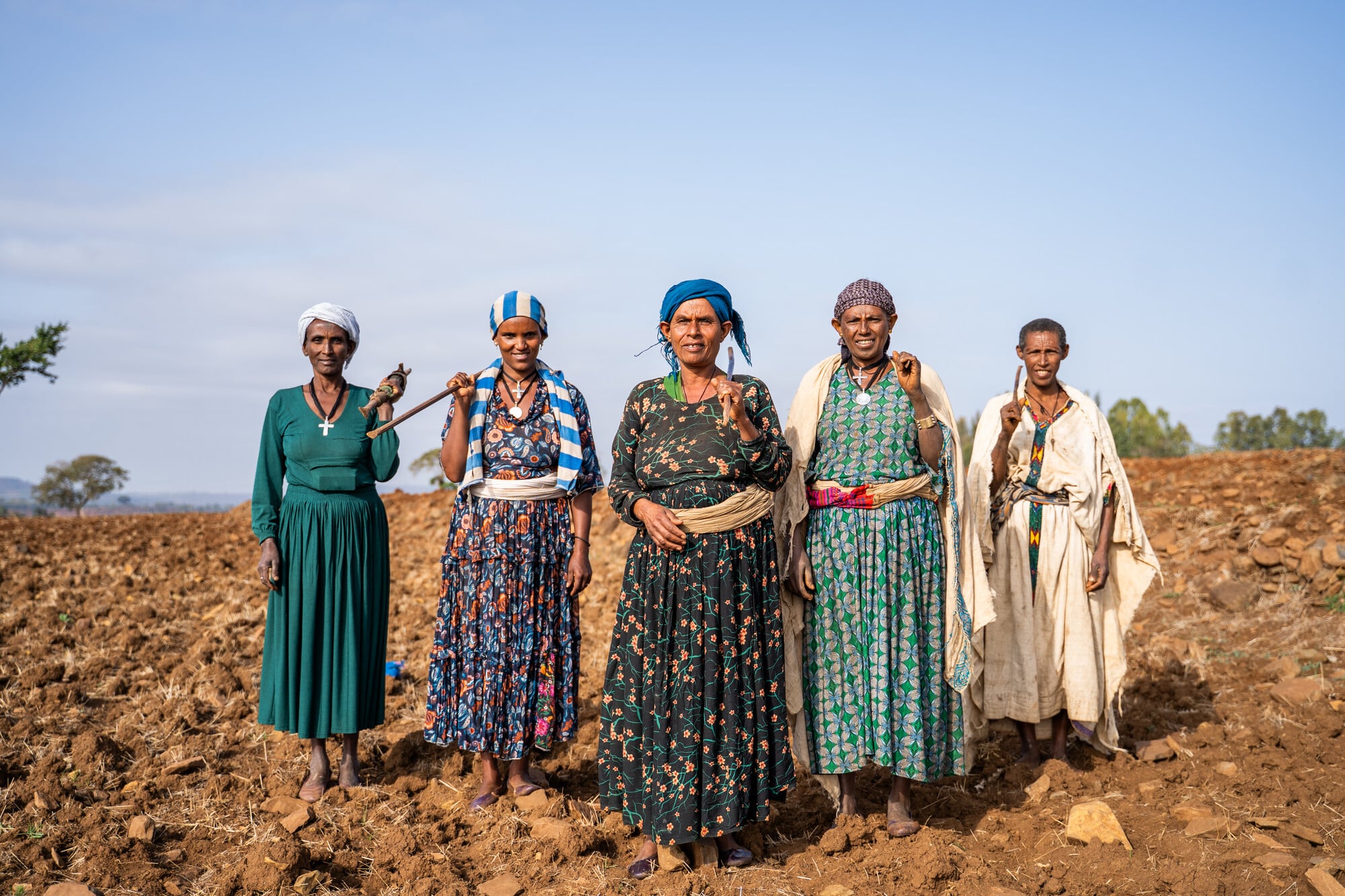
CARE supports women’s leadership through savings groups, inclusive finance, leadership training and partnerships with women-led organisations. Village Savings and Loan Associations, including in emergencies, can provide women and families with flexible financial support before and during climate shocks.
These approaches help women access cash, invest in livelihoods, adopt climate-smart technologies and take part in decisions that affect their communities.
Working with women-led organisations also helps ensure early action plans and disaster preparedness systems reflect the needs and priorities of women and girls.