• Skip to primary navigation
  • Skip to main content
CARE Australia

CARE Australia

Supporting women. Defeating poverty.

Donate
  • Give now
    • Donate now
    • Regular on-going donations
    • Emergencies
    • Leave a gift in your Will
    • Corporate donations
    • Buy a CAREgift
    • More ways to give
  • About us
    • Where the money goes
    • Where we work
    • Our focus
    • Contact us
  • Our work
    • Disasters and emergencies
    • Health
    • Food and water
    • Education and livelihoods
    • Climate
    • Protection and safety
  • News and stories
    • Media
    • Media releases
    • Stories
  •  


How does El Niño affect women and girls?

Women and girls are often among the hardest hit when climate shocks affect food, water, health and livelihoods. Extreme weather linked to El Niño can turn existing pressures into acute humanitarian need, especially for those already affected by poverty, inequality or conflict. 

Existing inequalities deepen: There are already 172.3 million women and girls at risk of food insecurity in the countries expected to be worst affected by El Niño. When food becomes scarce, women and girls are often more likely to eat last and least; in almost all of the most-at-risk countries, more women and girls are going hungry than men. Girls may also be pulled out of school to help at home or because families can no longer afford education costs. 

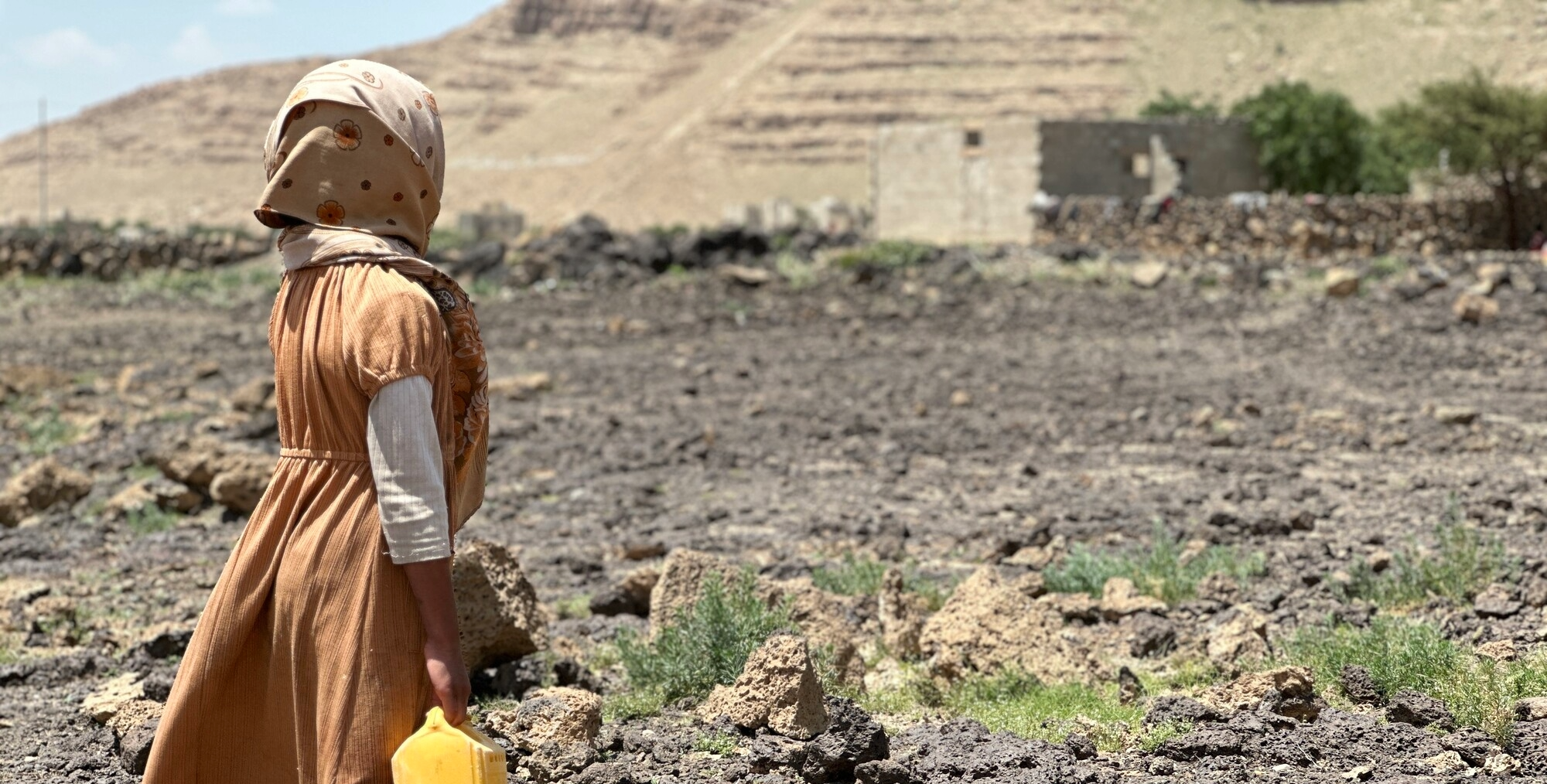
Unpaid workload increases: In many communities, women are more likely to be responsible for growing food, collecting water, preparing meals, caring for children and supporting older or sick family members. When droughts, floods or failed harvests make these daily tasks more difficult, women’s unpaid workload often increases. They may have to walk further for water, spend more time finding food, or take on additional work to support their families. 

Women and girls may be more at risk: In times of displacement or economic stress, women and girls can also face increased risks of gender-based violence, child marriage and exploitation. 

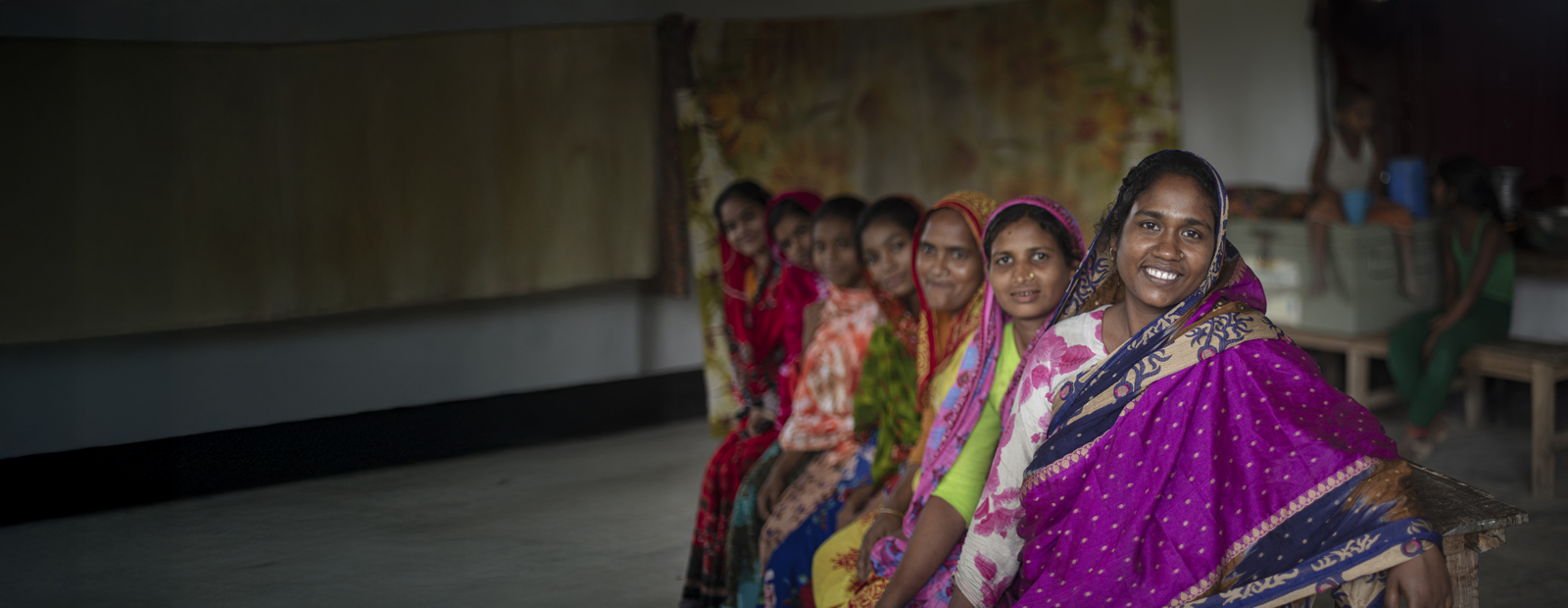
Women’s leadership remains essential: Women are not only disproportionately affected by climate crises, they are also central to the response. Women farmers, community leaders, savings group members and local organisations often have deep knowledge of what their communities need before, during and after a disaster. Supporting women’s leadership is therefore essential to building resilience that works for everyone. 
 

Sign up to our emails

Stay up to date with our news, programs and appeals.

Supporting women and girls. Defeating poverty.

Supporting women and girls. Defeating poverty.

Donate Now
  • Contact us
  • Emergencies
  • Where the money goes
  • About us
  • Our history
  • Media
  • Jobs
  • Stories
  • Policies
  • Complaints

CARE Australia acknowledges the First Nations of the land on which we work, including the Ngunnawal and the Wurundjeri Woi Wurrung of the Eastern Kulin Nation. We respect and celebrate the sovereignty of the Traditional Owners of these lands and pay our respects to Elders past and present. CARE Australia further acknowledges the Indigenous peoples and traditional owners of the lands across all the countries in which we work and recognise the enduring impacts of colonisation and ongoing inequality and injustices in the global, national and local distribution of resources, power and privilege. 

CARE Australia is a leading international aid organisation that works around the globe to save lives and defeat poverty.

Icon for Facebook Icon for Twitter Icon for Instagram Icon for YouTube Icon for LinkedIn

Privacy Policy | CARE Australia © 2025 Copyright. All rights reserved. ABN 46 003 380 890.