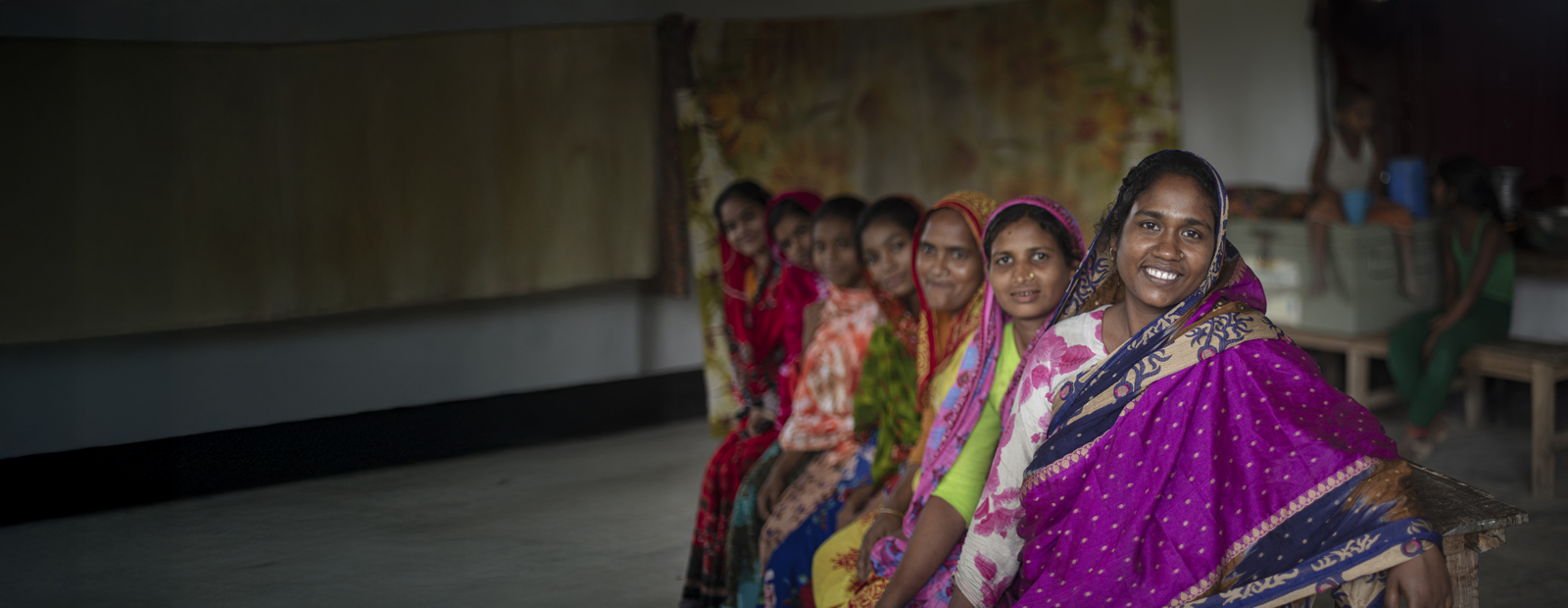
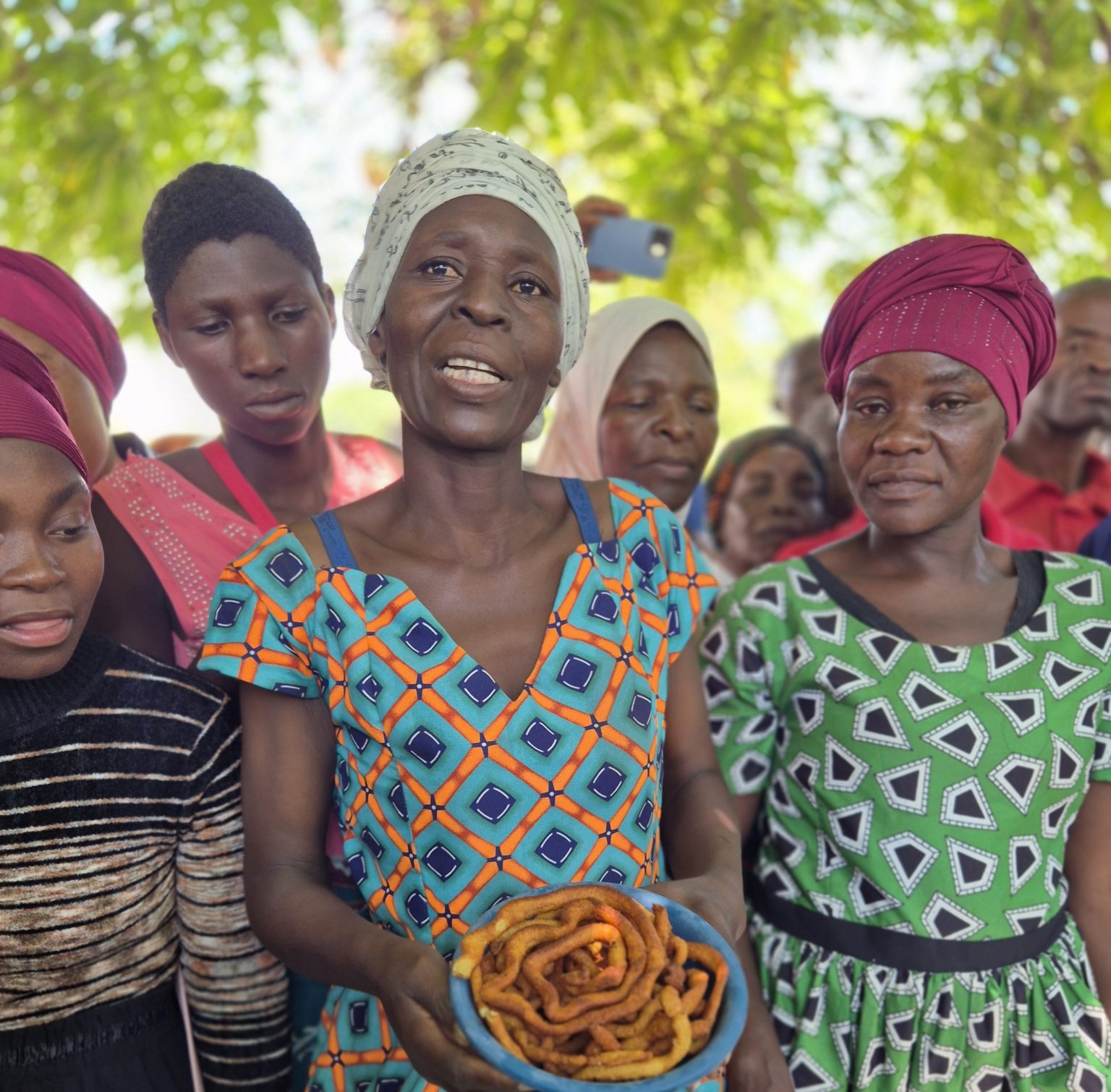
CARE works to ensure people can earn a decent living and access food, medicines and information about health risks such as HIV.
Relief efforts in Malawi
One of Africa’s most densely populated countries, Malawi is also one of the poorest and has a very young population. Inequality is rife and HIV infection rates are high. CARE works to ensure people can earn a decent living and access food, medicines, and information about health risks such as HIV. We run programs on agriculture, health, education, and social and economic empowerment, especially for women. We ensure that women and girls have access to reproductive health services. We play an active role in supporting Malawi’s emerging civil society – its charities and community organisations. We work to empower women smallholder farmers through more productive and equal engagement in sustainable agriculture, support girls’ education and promote water, sanitation, and hygiene projects.
In 2002, CARE Malawi pioneered an innovative way to involve poor and marginalised community groups in monitoring the quality and availability of services such as health care. The Community Score Cards approach, developed as part of a health services project, was an innovative way to engage local people in ‘scoring’ the services they receive, assessing the obstacles to accessing those services, and developing a shared strategy for improvement.
When Cyclone Idai slammed into Malawi in March 2019, CARE swung into action to provide emergency services to those affected. This recovery work continues today.
CARE has been working in Malawi since 1998.


Donate now
Support our ongoing work to create a more equal world.
Your donation can help end extreme poverty and give people the means to build a better future for themselves in countries like Malawi.
For those living in extreme poverty, your support brings education and training, healthcare and clean water, nutritious food, and new ways to earn an income. And in times of crisis, you help us deliver emergency relief. Please donate today.
Photo: © Katharina Katzer/CARE.