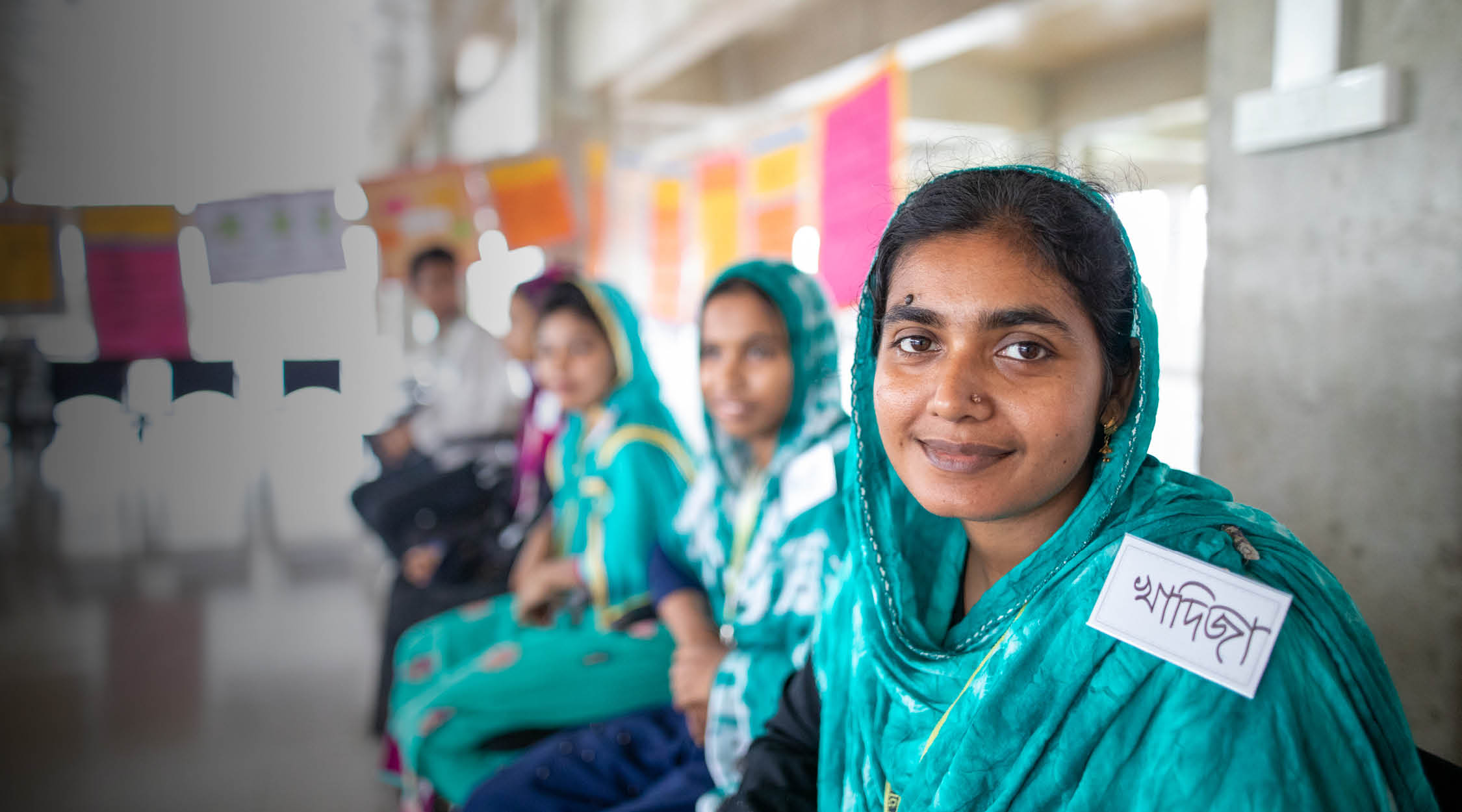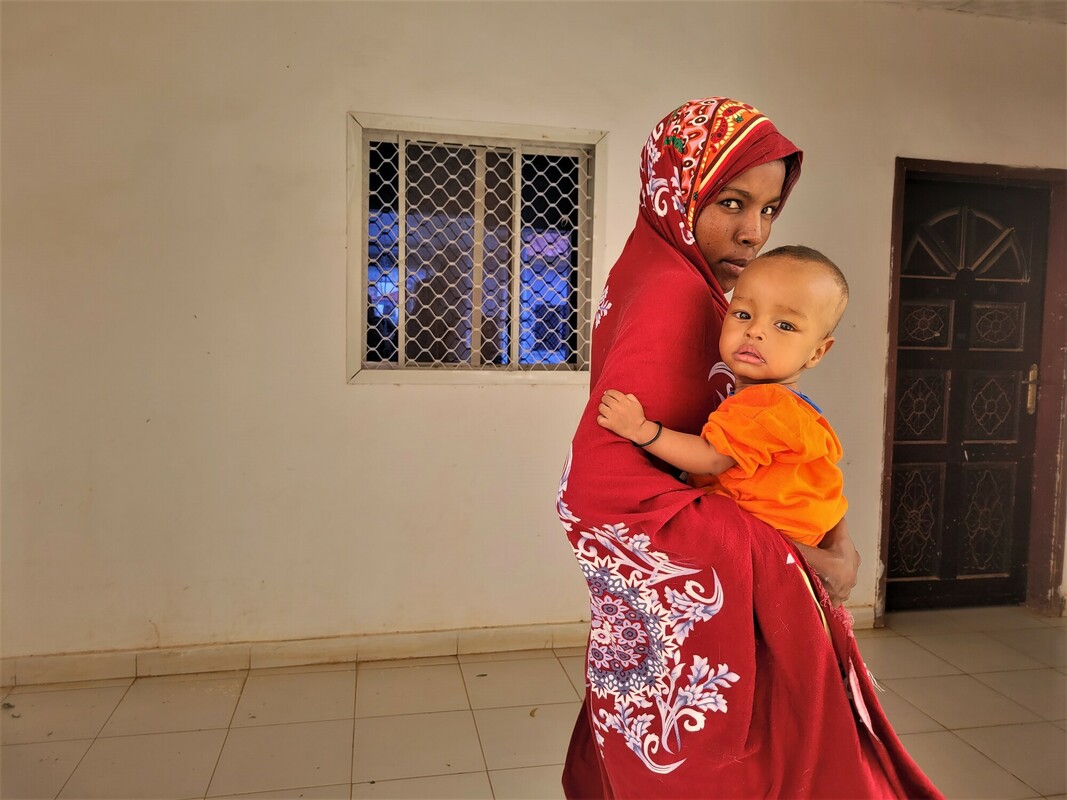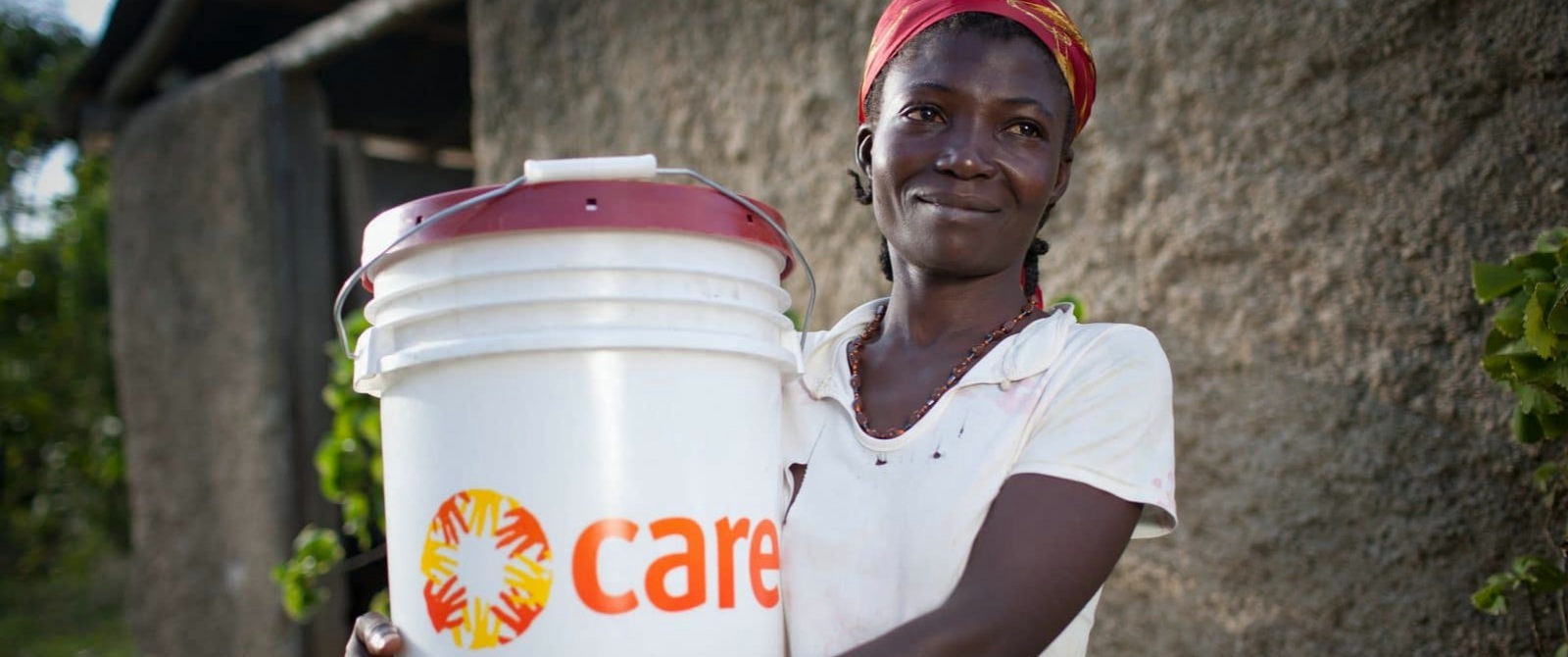
The world’s poorest people are the most vulnerable to devastating emergencies – natural disasters, war, famine, and outbreaks of disease.
We are currently responding to emergencies all around the world – read below for more information about each situation.
Whether it’s a man-made or natural disaster, just after the emergency has occurred we provide food, shelter, clean water, sanitation facilities, medical care, tools, and seeds to the people who need it most.
We continue to help people rebuild their lives and restore their livelihoods in the years following the event. We also work in disaster risk reduction, working with communities to help them prepare and plan for emergencies, and work specifically with women who are disproportionately affected by emergencies.
Gaza Humanitarian Emergency
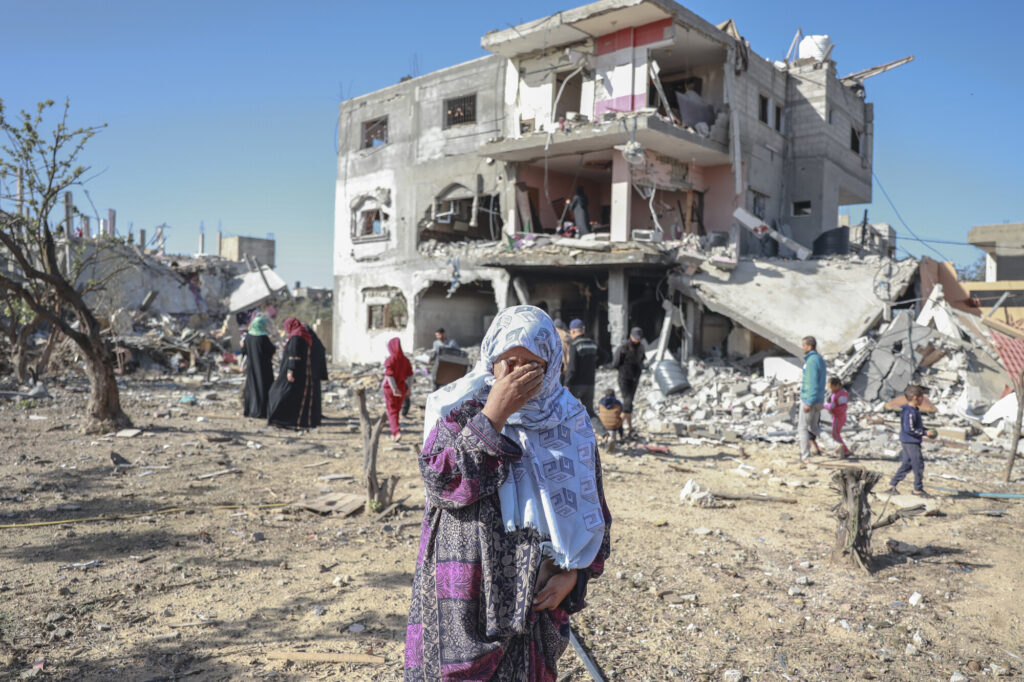
Intensive bombardment has displaced over 1.9 million Palestinians in Gaza, most of whom are now forced to live in camps, with little to no access to medical care, water or food.
Donate NowAfghanistan Earthquake Emergency
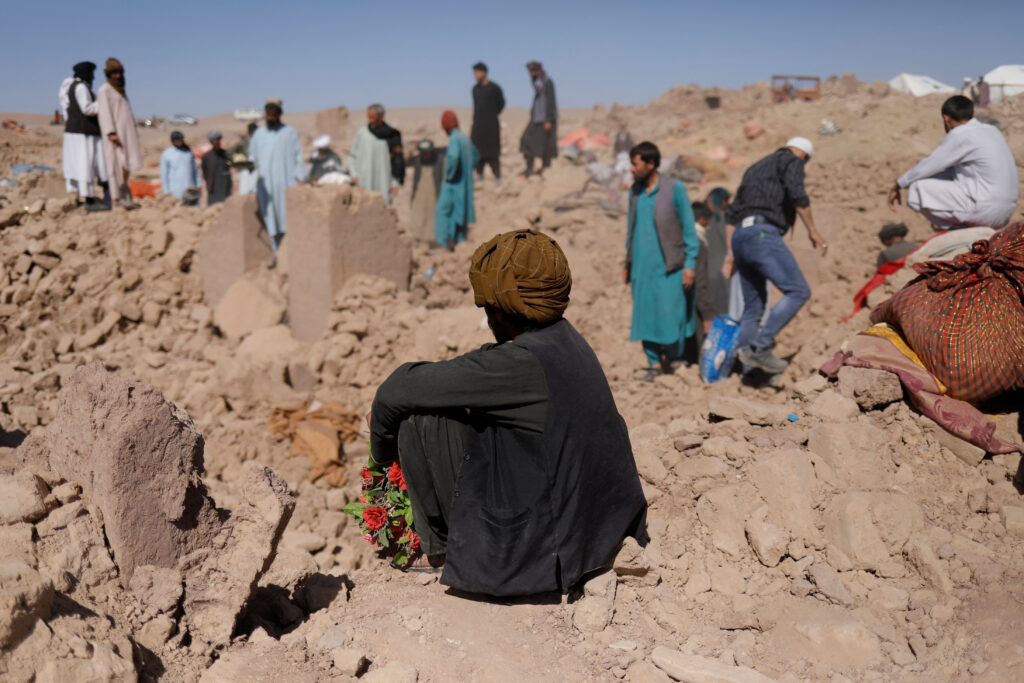
Massive earthquake hits already critical situation in Afghanistan.
Donate now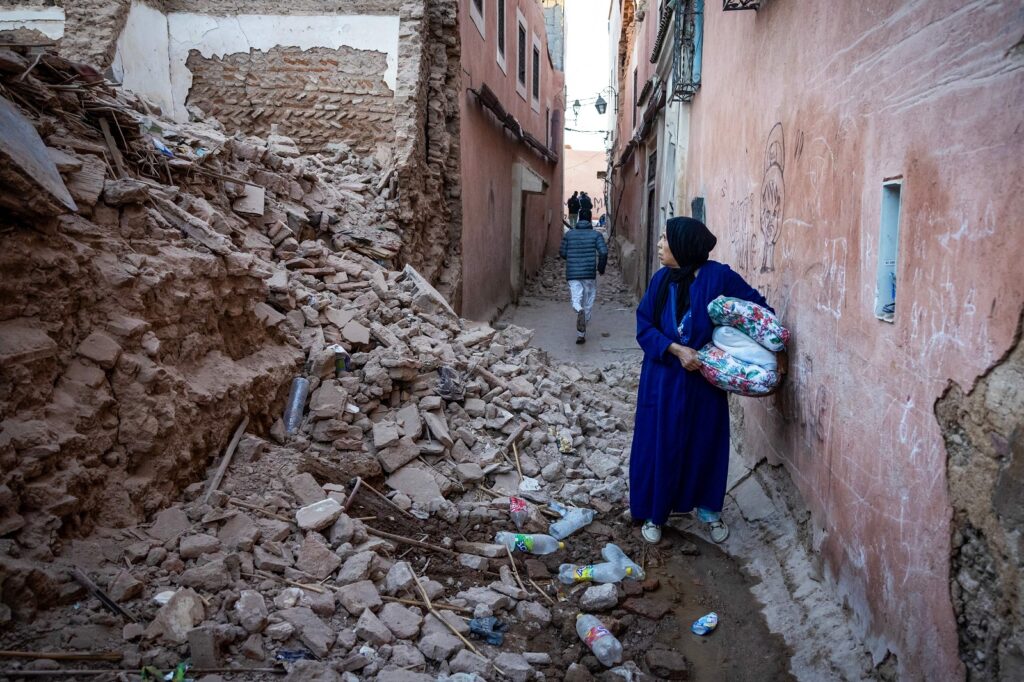
Turkey & Syria Earthquakes Appeal
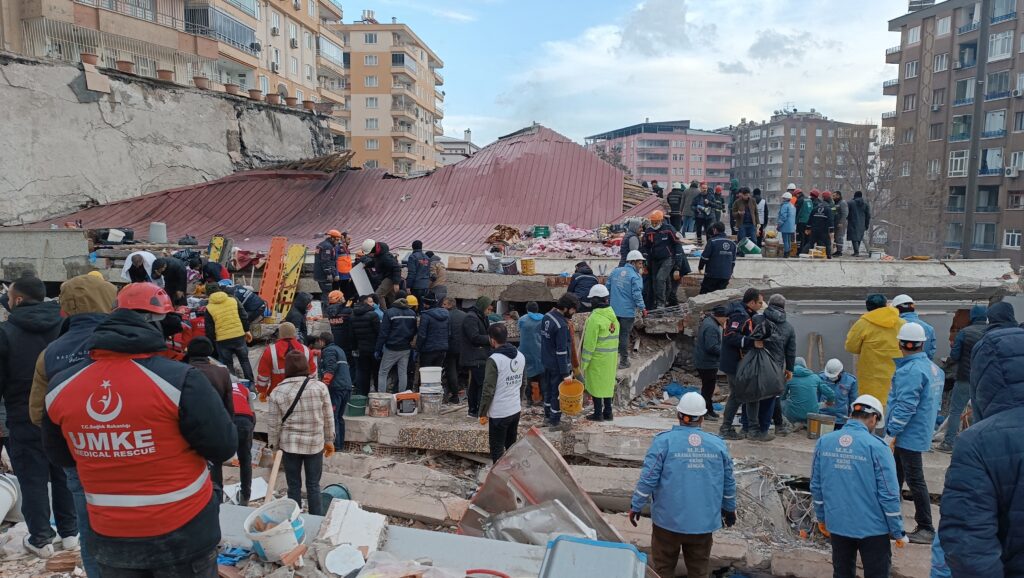
Please give now to provide lifesaving supplies to those affected by the earthquakes.
Donate NowVanuatu Cyclones Judy & Kevin
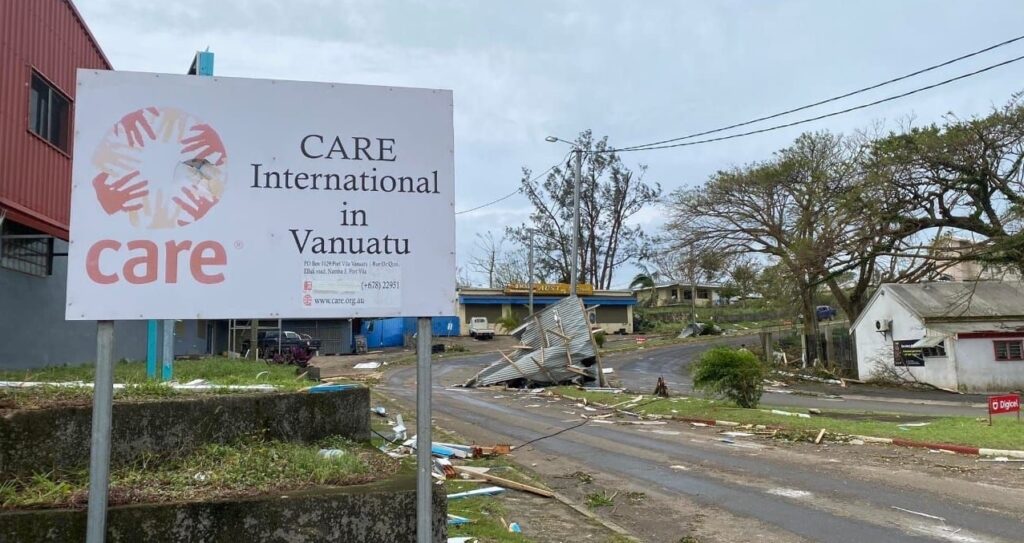
Tropical Cyclones Judy and Kevin have left a wake of destruction in Vanuatu.
donate nowGlobal Hunger Crisis
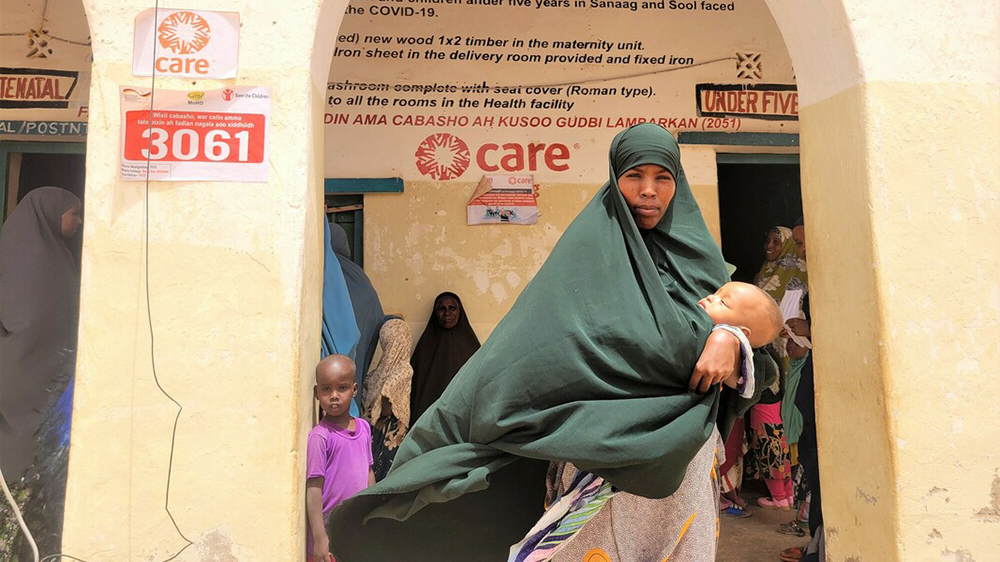
Millions of lives are at risk as hunger crisis reaches levels never before seen.
Donate NowUkraine Humanitarian Crisis
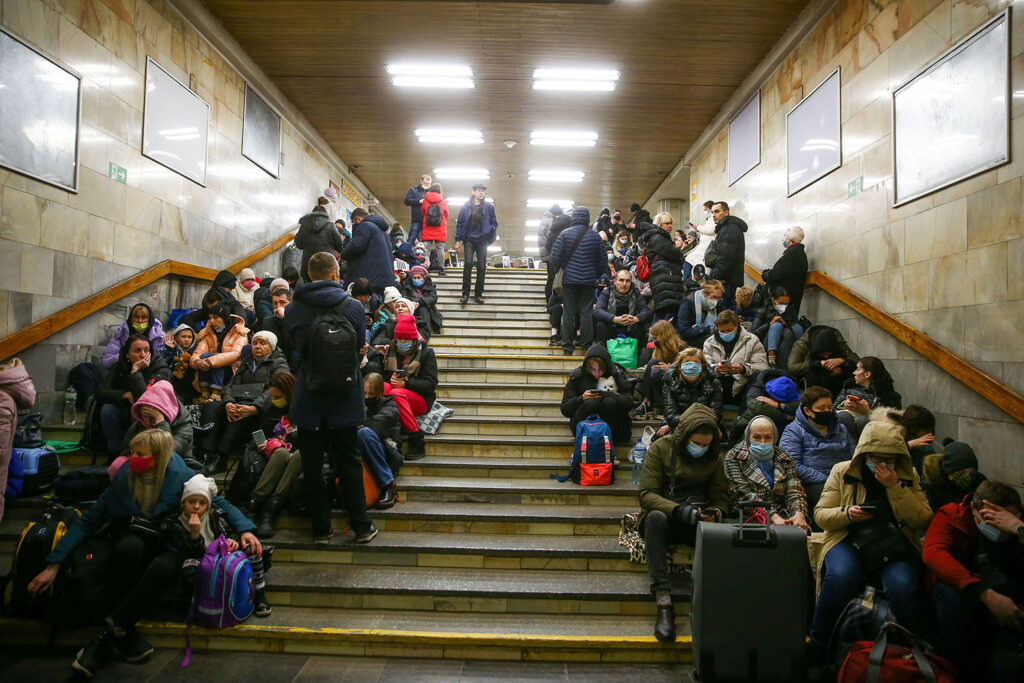
A humanitarian catastrophe continues to unfold as a result of the war in Ukraine. A year of intense violence has put millions of lives at risk.
Donate NowPakistan Floods
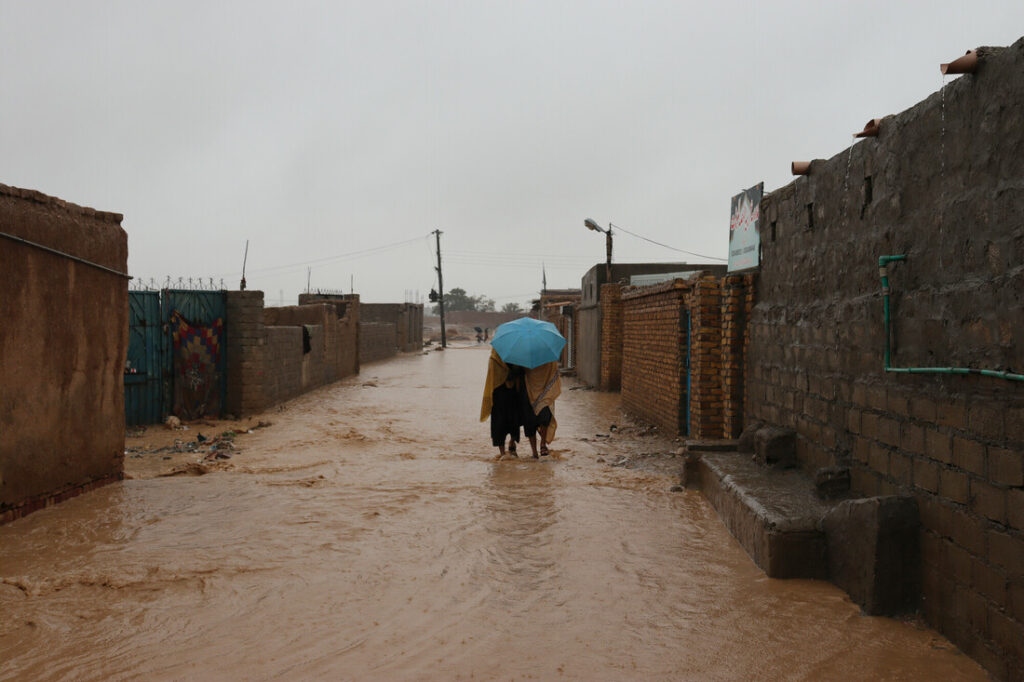
Mass flooding left more than a third of Pakistan under water and millions of people in need of support.
Donate NowAfghanistan Emergency Appeal
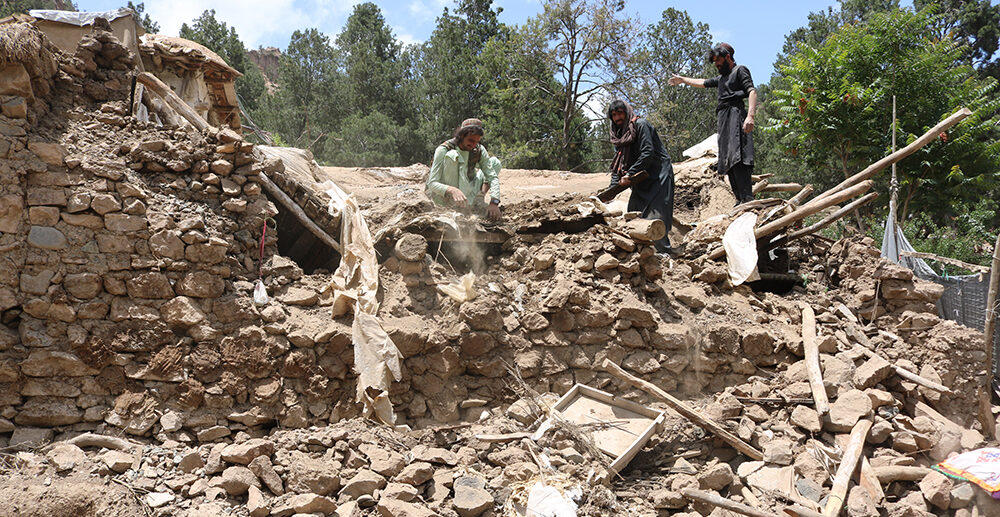
After years of conflict, Afghanistan was hit by a deadly earthquake in 2022. Now the country is facing a severe hunger crisis that is making the lives of women and marginalised groups especially challenging.
Donate NowCOVID-19 Emergency
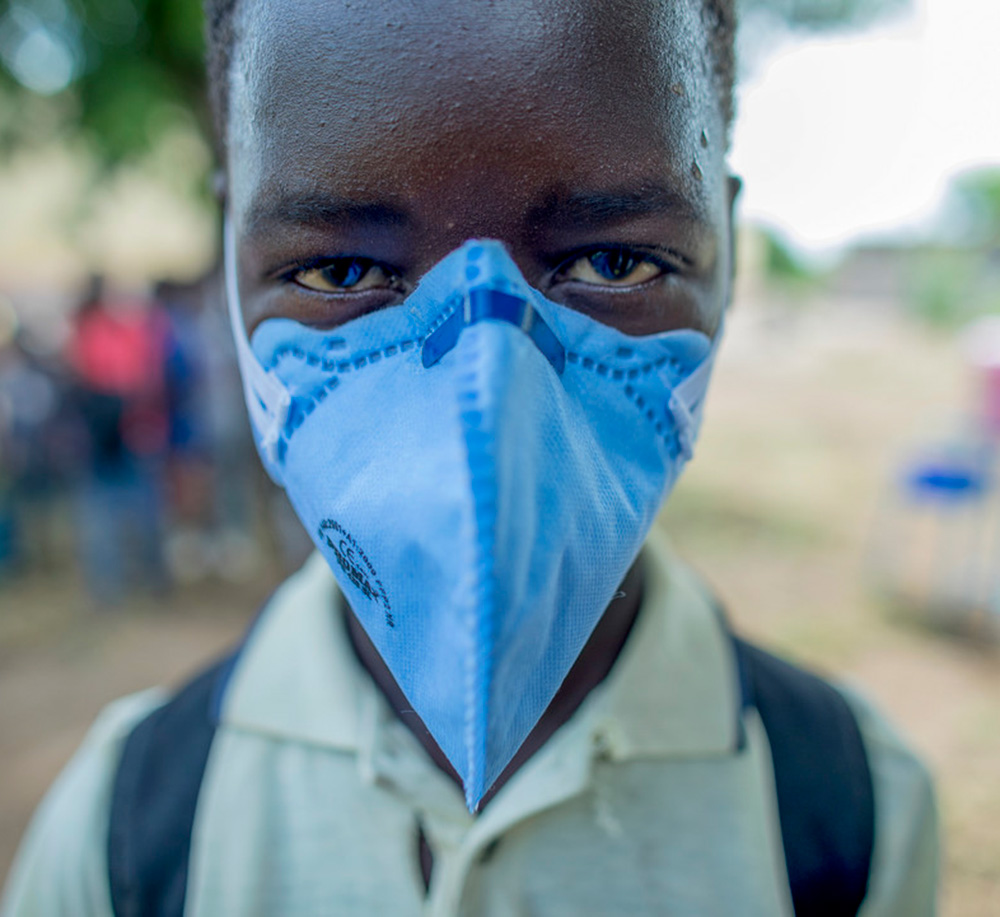
The COVID-19 pandemic continues to heavily impact some of the world’s poorest and most conflict-ravaged communities where healthcare systems are already weak and under-resourced, and supplies have been wiped out by disaster or conflict.
Donate NowSyria Emergency
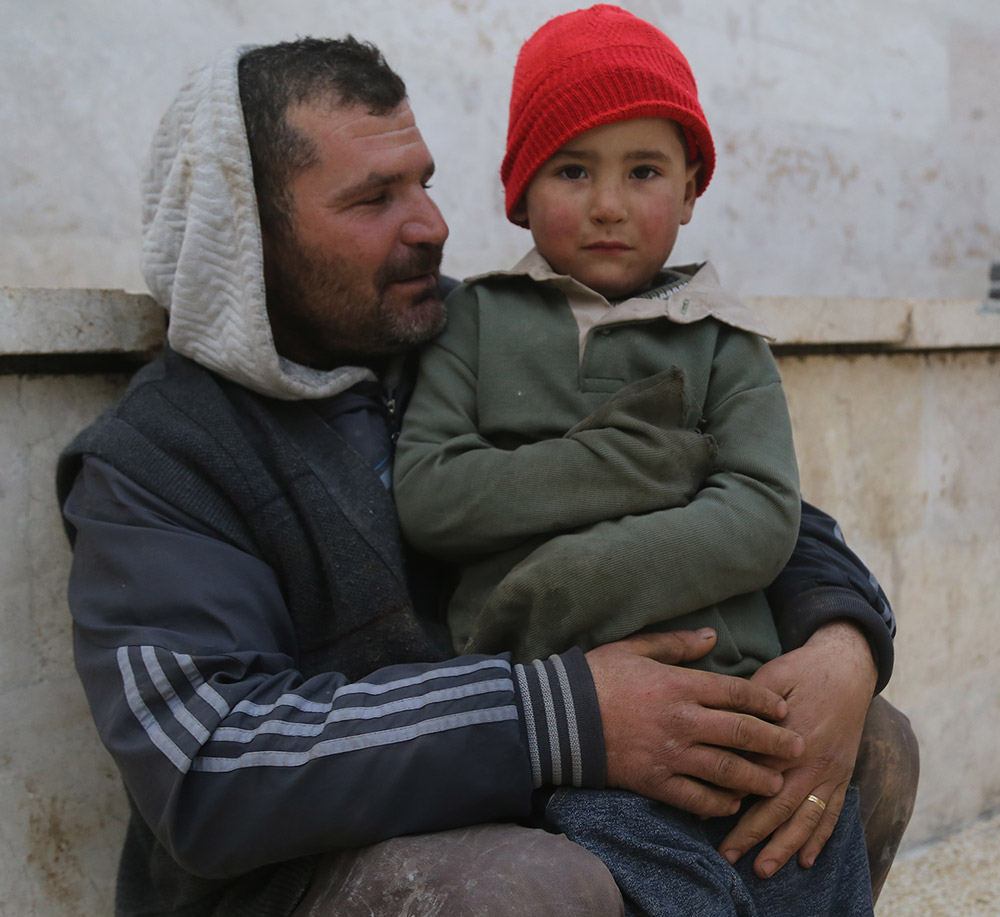
12 years of conflict have caused one of the largest humanitarian emergencies of our time. More than 15 million Syrians are in need of humanitarian assistance, with millions forced to flee the country.. In addition to the immediate humanitarian needs, CARE is developing resilience programs, providing families with livelihood support and financial assistance.
Donate to SyriaYemen Emergency
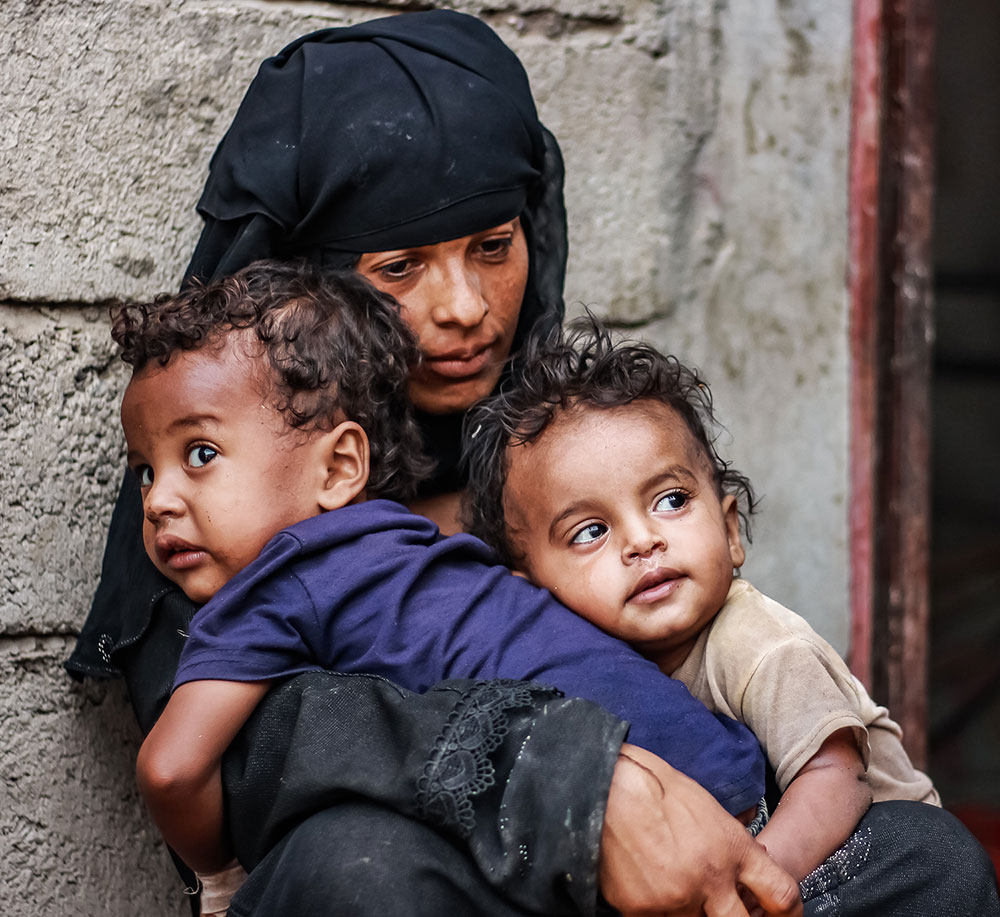
Nine years of war, then cholera, famine, COVID-19, and a worsening hunger crisis: Yemen is suffering the world’s worst humanitarian crisis.
Help YemenGlobal Emergency Fund
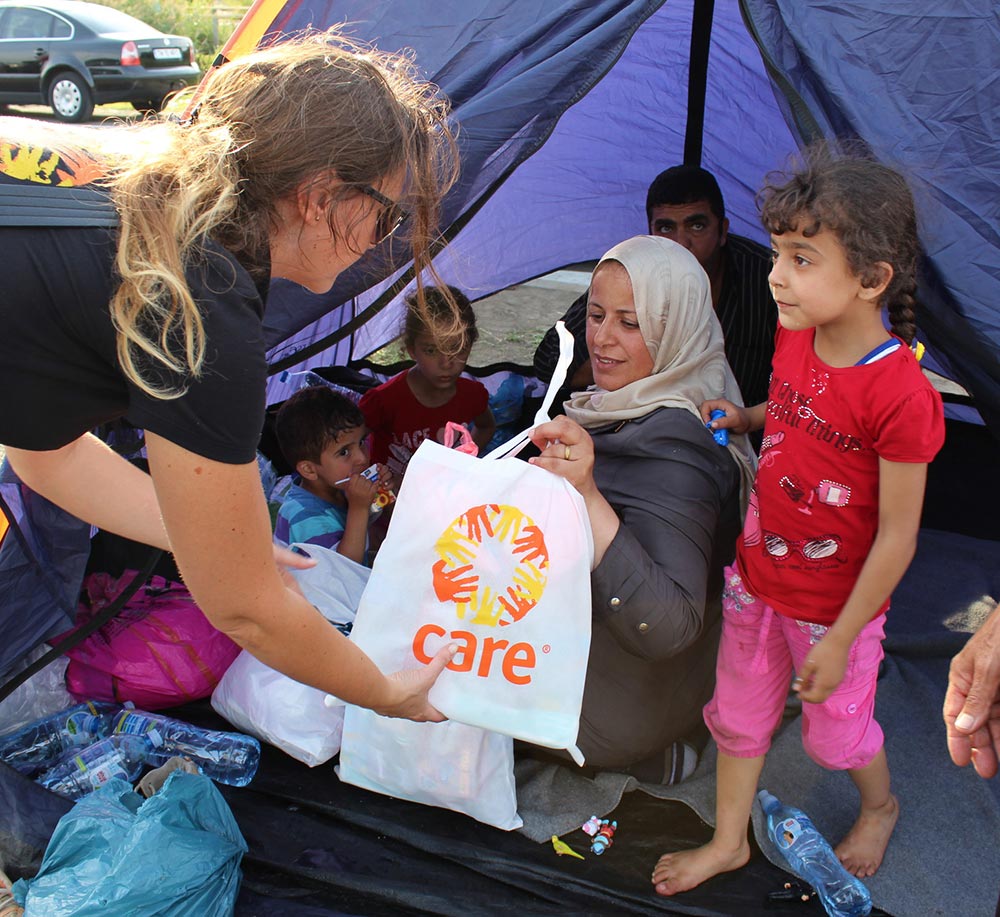
Your donation to our Global Emergency Fund means we can immediately provide lifesaving aid and services to those who need them most. Every year, CARE responds to emergencies and disasters that affect the lives of millions of people.
Donate Now